What Is a Vibe Coder ?
A vibe coder is someone who builds software by describing what they want in plain language and letting an AI write the code, instead of writing it by hand line by line. Many vibe coders have never written traditional code at all; others are professional engineers using AI to move faster on prototypes and side projects.
What makes someone a vibe coder isn't the tool they use, it's the workflow: prompt, look at the result, describe the next change, repeat, with less time spent reading the code itself than deciding whether the app does what they want.
12,574+ sites created in the last 30 days
Discover Apps
Explore what others are building with Kleap
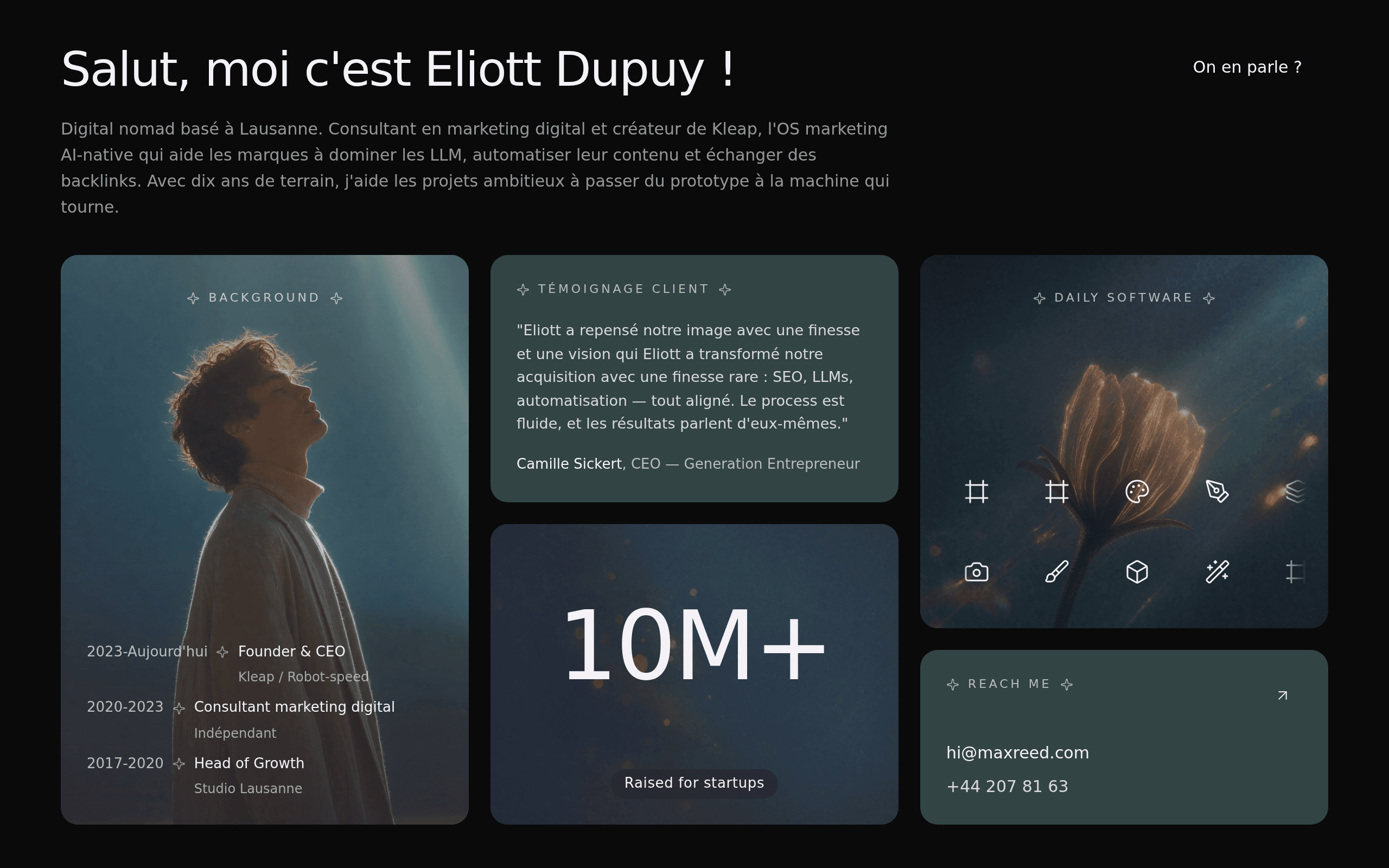
Portfolio
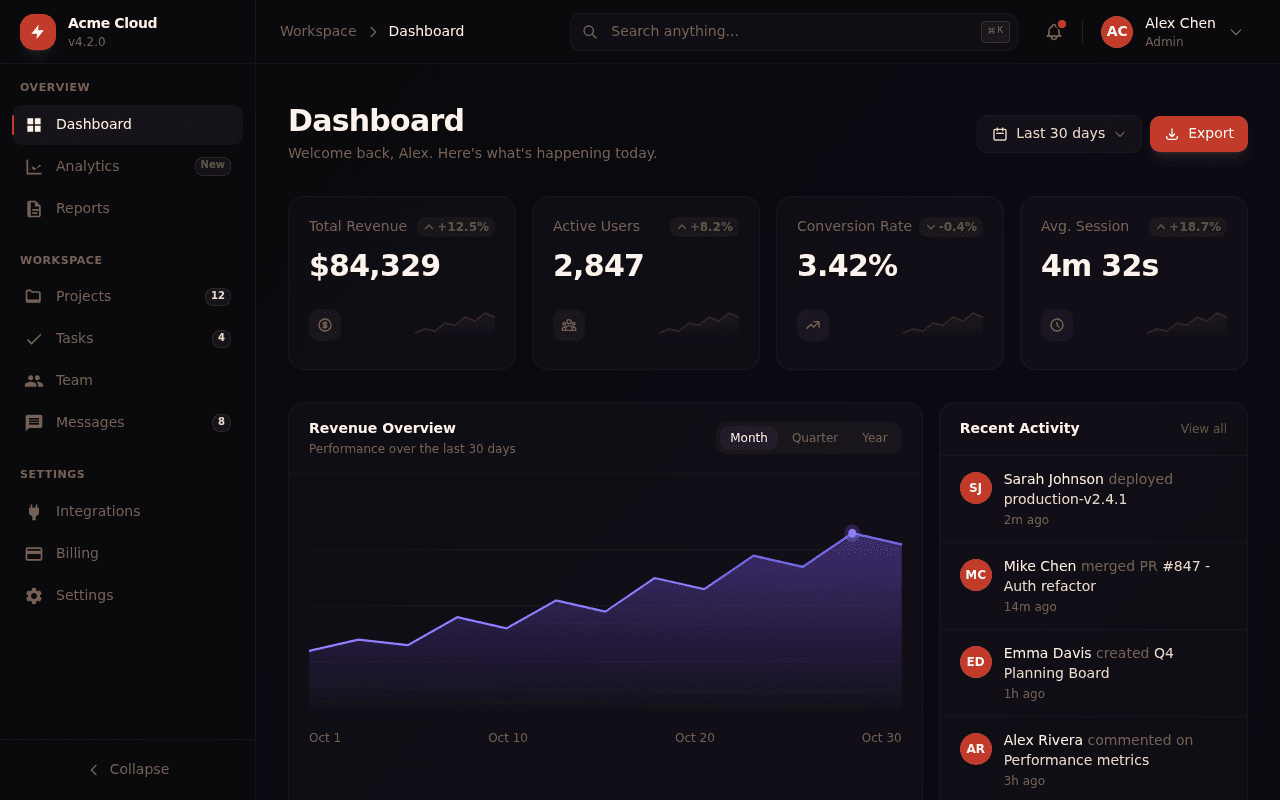
Principal Frontend Engineer
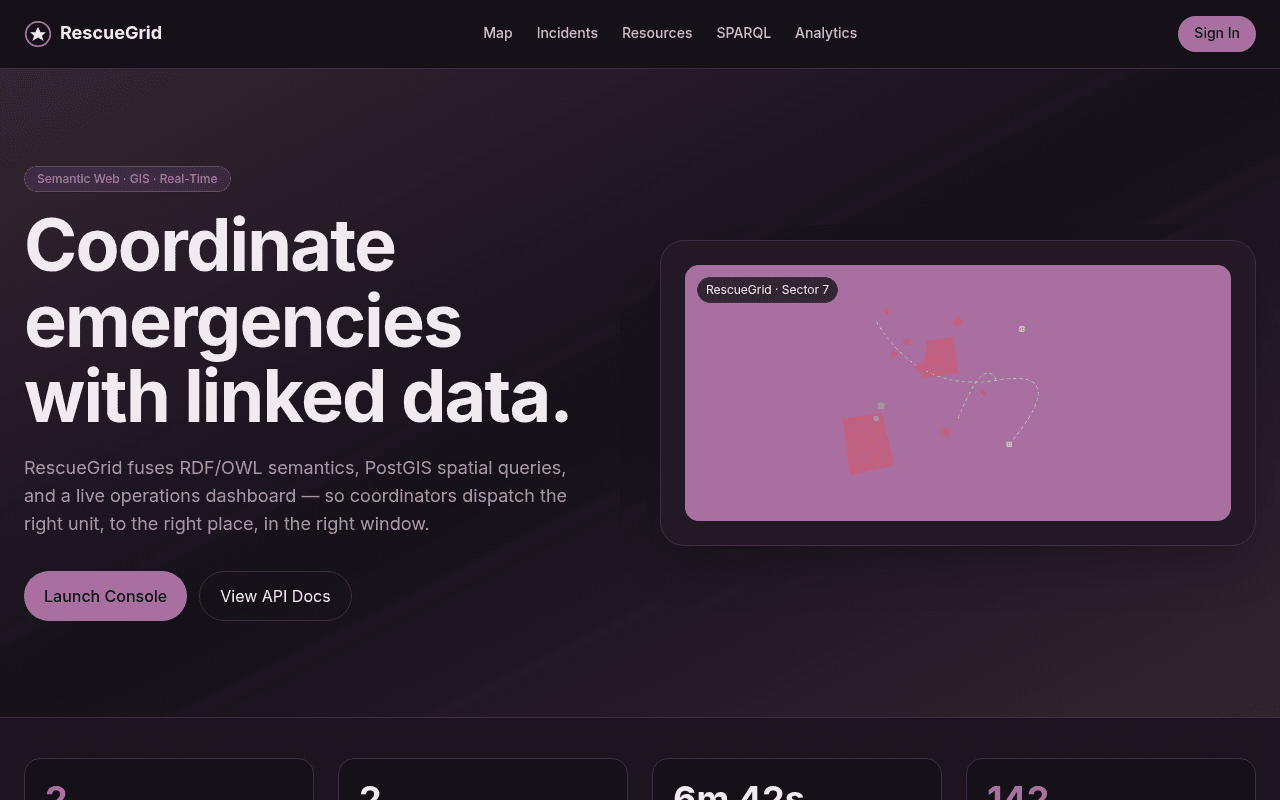
RescueGrid — Emergency Response GIS
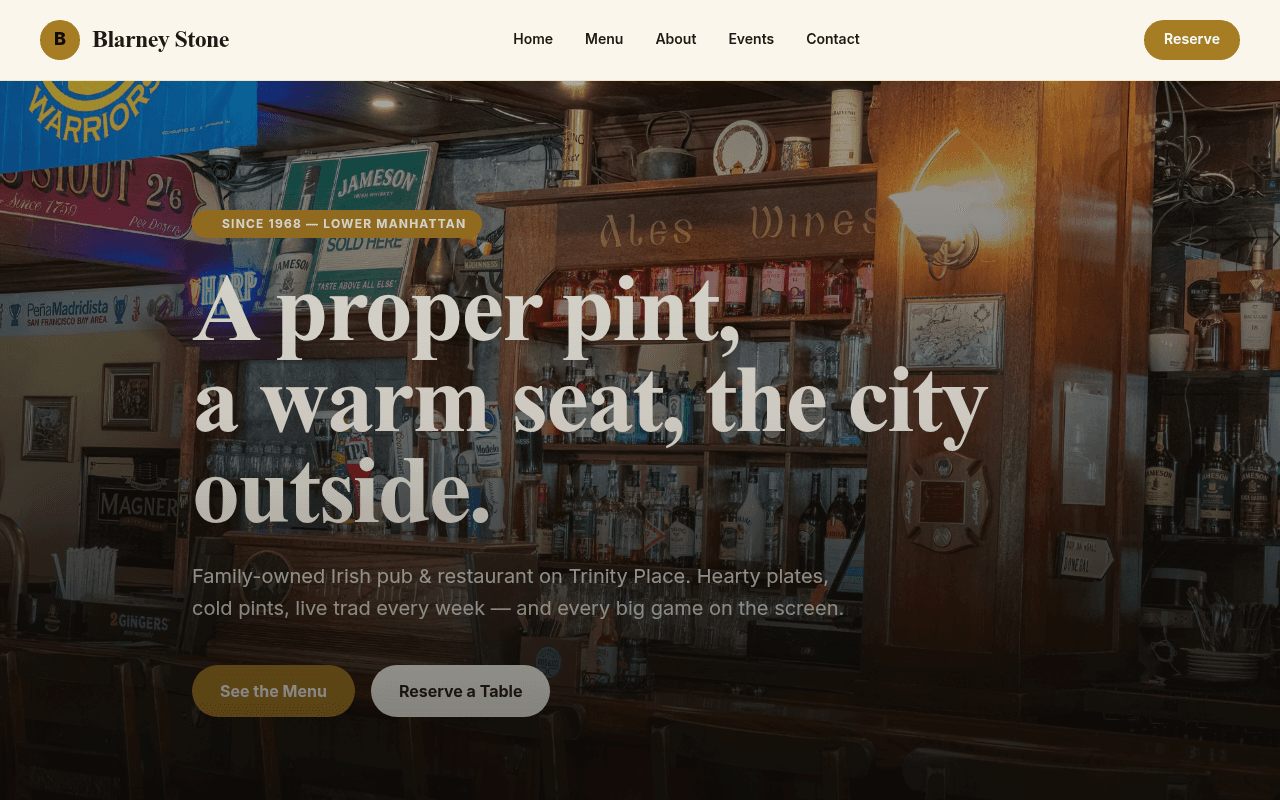
Blarney Stone
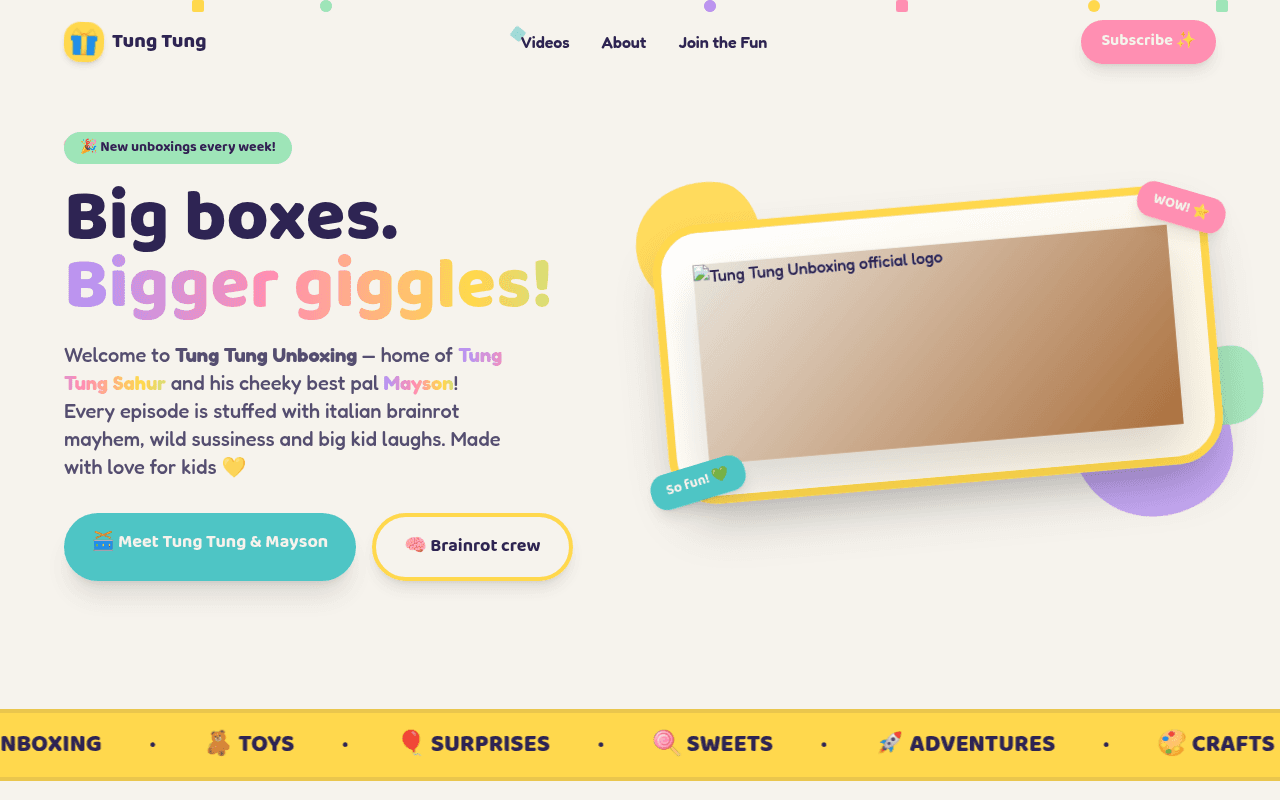
No Child Labour, Tung Tung Unboxing
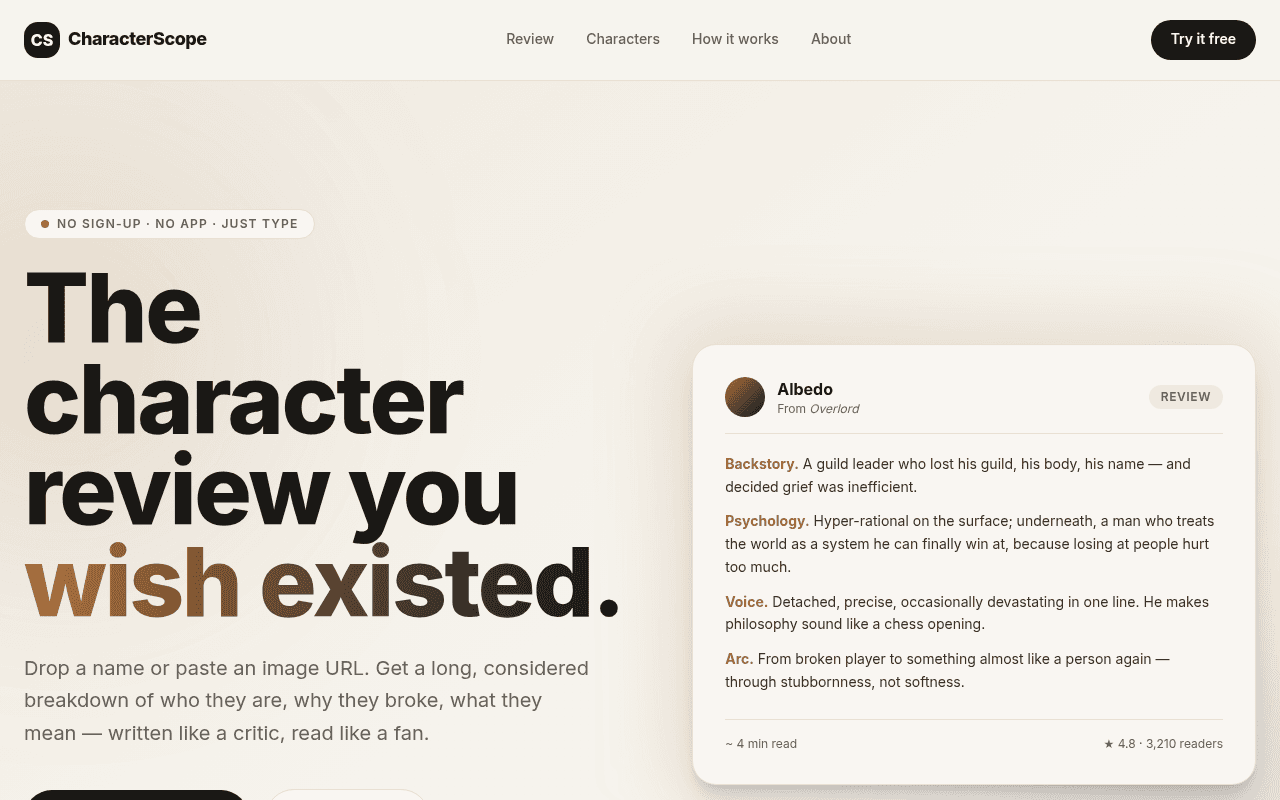
CharacterScope

Absolute Design Replication Task Goal
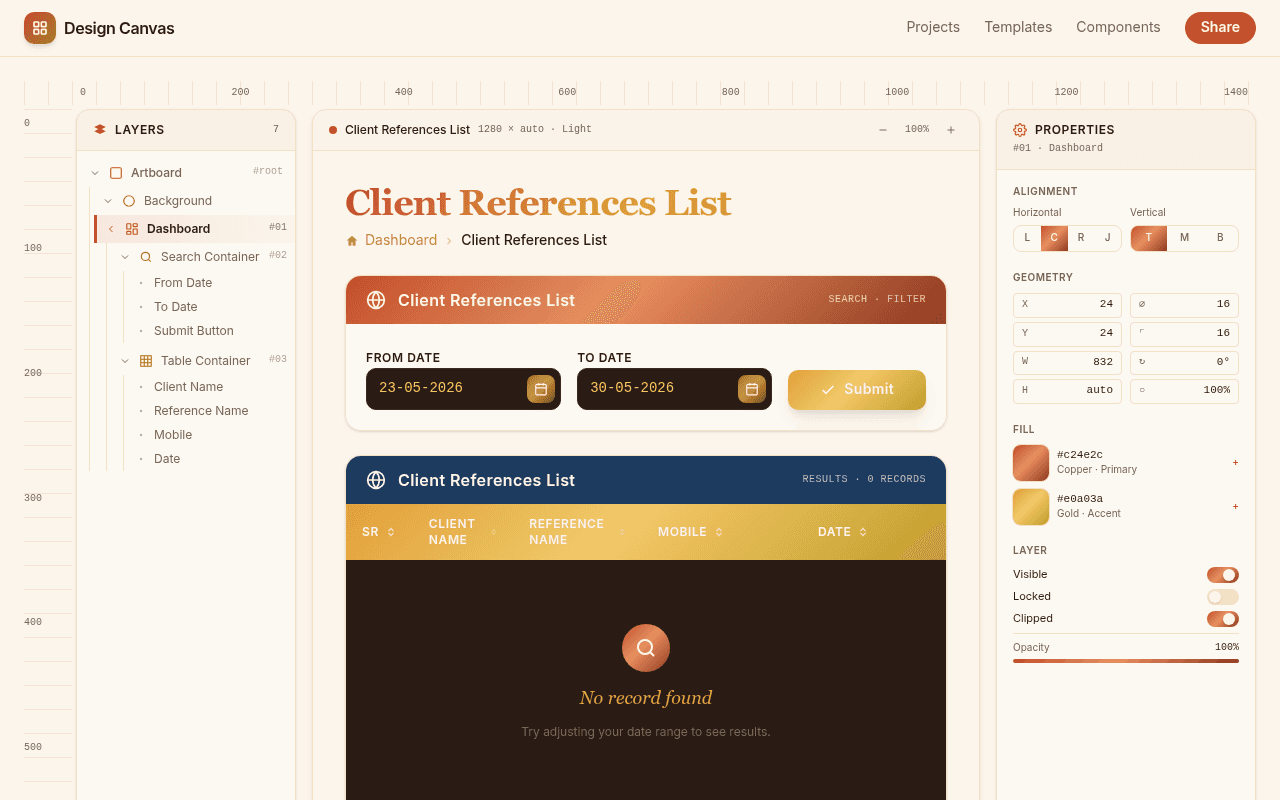
Client References List
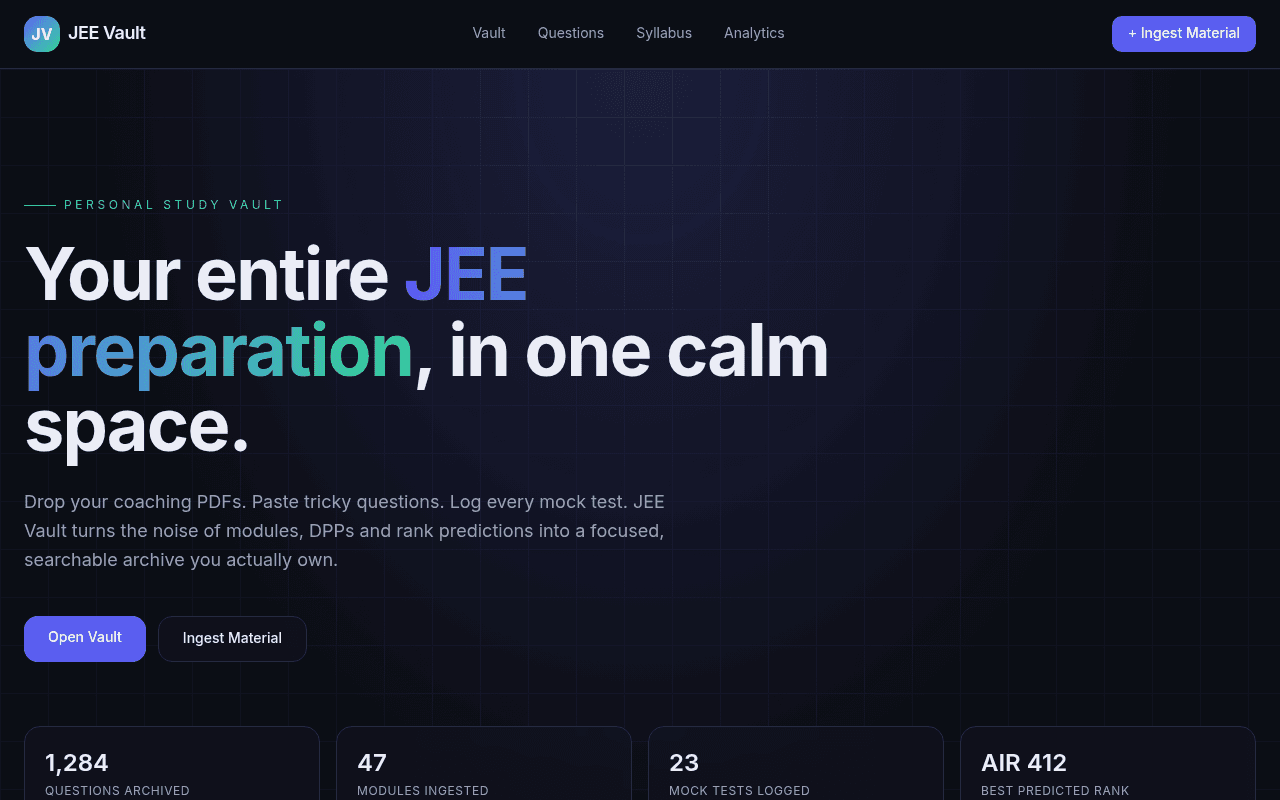
Expert Full
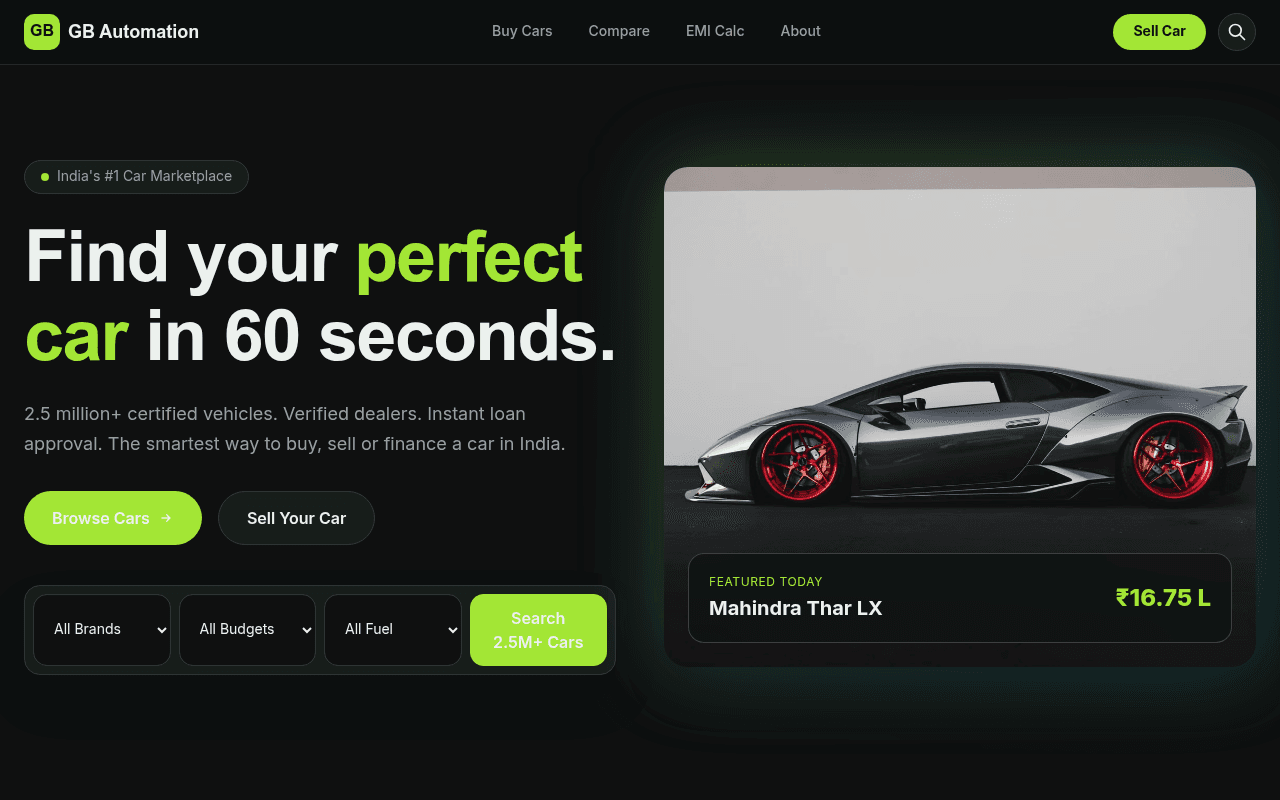
as gb automation include all
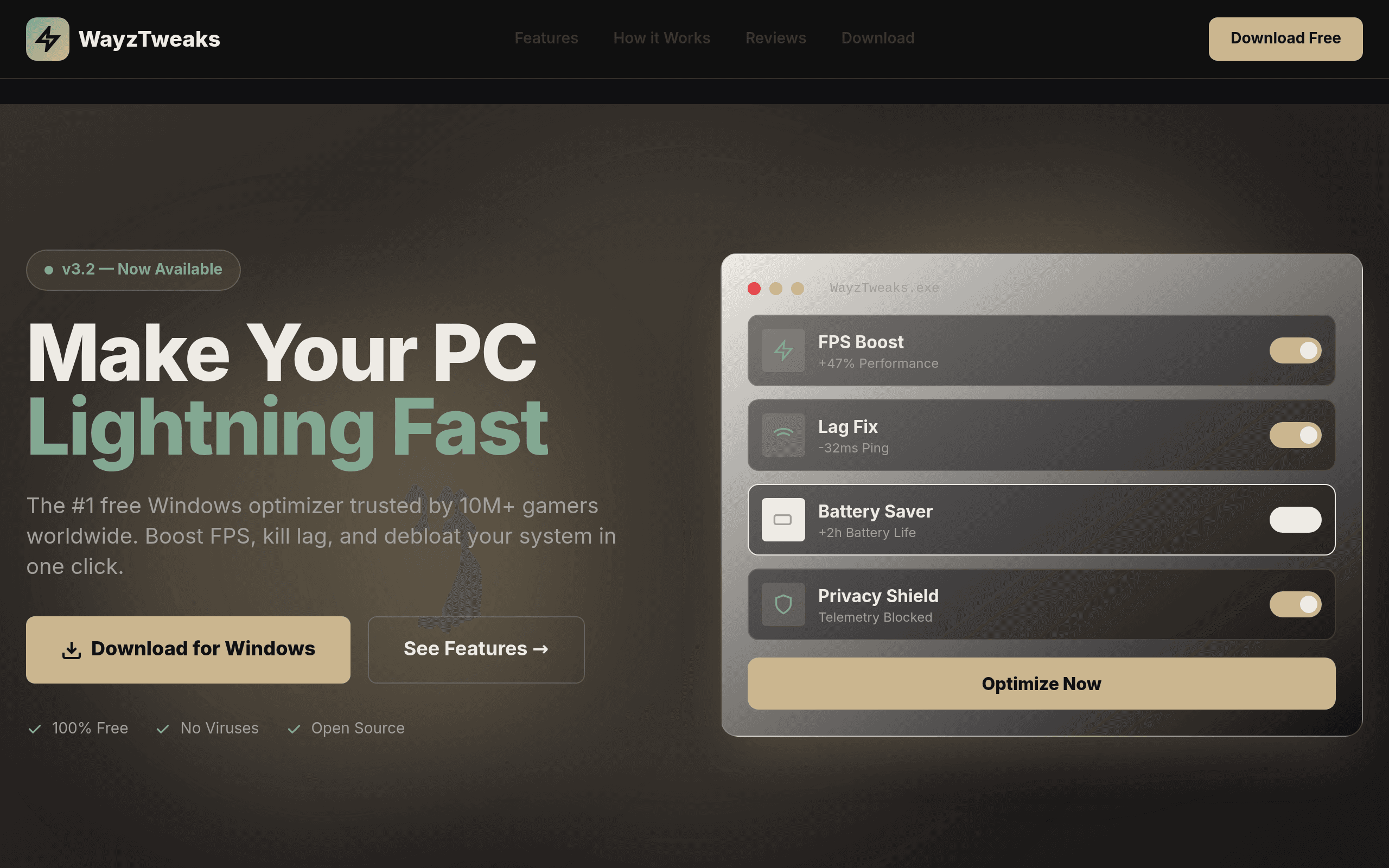
it WayzTweaks
![[Your Gym Name]](/_next/image?url=https%3A%2F%2Fassets.kleap.io%2F32008%2Fscreenshots%2Fscreenshot.png&w=3840&q=75)
[Your Gym Name]
Where the term comes from
"Vibe coding" was popularized by Andrej Karpathy, the former AI lead at OpenAI and Tesla, in a post from February 2025. He described a style of programming where you talk to an AI in natural language, let it write the code, and mostly accept what it produces without reading every line, comparing it to giving in to the vibes rather than studying the structure of the work.
Vibe coding is the activity, the philosophy of building this way. Vibe coder is the person doing it. The two terms get used interchangeably online, but they answer different questions: "vibe coding" is about the approach and mindset, while "vibe coder" is about identity, who you are and what you've built if you code this way. If you want the fuller picture of the philosophy and flow-state side of things, see our page on vibe coding.
In practice, "vibe coder" gets applied to a broad group: indie hackers shipping a side project over a weekend, non-technical founders building their first landing page, designers turning a mockup into a working site, and engineers who vibe code a throwaway prototype before writing the real version by hand.
Is vibe coding good or bad?
Neither, on its own. It depends on what's being built and how much scrutiny the output gets before it ships.
The case against
Critics point out that AI-written code shipped without review can carry real security and quality risk, especially for anything touching payments, authentication, or personal user data. Someone who doesn't read the generated code has no way to catch a vulnerability, a data leak, or a bug that only shows up under load.
The case for
Proponents point to speed and access: people with an idea but no coding background can now build a real, working product instead of hiring a developer or giving up. Professional engineers use the same approach for prototypes and scaffolding, where the goal is to test an idea fast, not to produce final production code.
The honest answer is that vibe coding is a fit for some jobs and a bad fit for others. A marketing site, a portfolio, or a quick internal tool is generally low-risk territory. A checkout flow, a login system, or anything storing customer data deserves a human review pass, whether that review comes from you or someone else, before it goes live.
Vibe coding tools
There isn't one tool for vibe coding, there's a category of them, and they're not interchangeable. Some generate a full website or app from a prompt with nothing else needed; others are code editors built for developers who still want to see and edit the code an AI writes.
Kleap
(this site)Describe a website or app in a prompt and Kleap's AI builds it, then publishes it to a live URL on Cloudflare Workers hosting. Free tier to start, focused on websites, marketing sites, small-business sites, and SaaS landing pages.
Lovable
Prompt-based builder that generates full-stack web apps from natural language, with a live preview inside the browser.
Replit
Cloud IDE with an AI agent that can scaffold, run, and deploy applications from a prompt, entirely in the browser.
Cursor
An AI-native code editor built on top of VS Code, aimed at developers who still read and edit code but let AI write more of it.
bolt.new
Browser-based tool from StackBlitz for generating and running full-stack web apps from a prompt, with instant preview.
v0 (Vercel)
Generates React and Next.js UI components and pages from prompts or design references, built for Vercel-based projects.
Base44
Prompt-to-app builder aimed at non-developers, acquired by Wix in 2025.
Emergent
AI platform for building full-stack applications from natural-language prompts.
Windsurf
AI-native code editor built for agentic coding sessions alongside a human developer.
Listed factually as tools in this category. This isn't a ranking, and figuring out the right one usually comes down to whether you want to write and review code yourself (Cursor, Windsurf) or want a working app or site with minimal setup (Kleap, Lovable, Replit, bolt.new, v0, Base44, Emergent).
Vibe coder jobs
"Vibe coder" isn't yet a standard job title the way "software engineer" or "product designer" is, but companies are starting to hire for roles built around AI-assisted, prompt-based development: shipping internal tools, prototypes, and small customer-facing products faster by directing AI tools rather than writing every line by hand.
In practice, this shows up less as a brand-new job category and more as an added skill inside existing roles: product managers who can now prototype instead of just spec'ing, marketers who build their own landing pages, and founders who ship a working product before hiring a single engineer.
For engineers, being comfortable directing AI coding tools is increasingly treated as a practical skill alongside traditional programming, not a replacement for understanding how the underlying system works.
Frequently asked questions
What is a vibe coder?
A vibe coder is someone who builds software by describing what they want in natural language and letting an AI tool write the code, rather than writing every line by hand. The term covers a wide range of people, from complete non-programmers building their first website to professional engineers using AI to speed up prototyping.
What does vibe coder mean?
Vibe coder means a person who codes by feel and by prompt: they describe the outcome they want, accept most of what the AI generates, and iterate by describing changes rather than editing code directly. The word comes from vibe coding, the practice itself.
Is vibe coding bad?
It depends on what you're building and how carefully you review the output. Vibe coding is a reasonable way to build a marketing site, a prototype, or an internal tool quickly, but shipping AI-written code that handles payments, authentication, or personal data without review carries real security and quality risk.
Why is it called vibe coding?
It spread fast because it named a habit that already had no name: describing an outcome and accepting AI-written code without checking every line, something a lot of people building with AI tools were already doing. Andrej Karpathy's February 2025 post is where the specific phrase "vibe coding" comes from, built around going with the feel of a solution instead of specifying every detail upfront.
What are some examples of vibe coding?
Common scenarios include an indie hacker shipping a weekend side project without writing code by hand, a non-technical founder building their first landing page or small business site by describing it to an AI, a professional engineer using it to scaffold a prototype quickly before writing the production version themselves, and a student building a small personal tool or class project. The common thread is prompting for an outcome rather than writing the implementation directly.
What's the difference between a vibe coder and a developer?
A traditional developer typically writes and reviews code directly and is expected to understand what every line does. A vibe coder directs an AI tool toward an outcome and may not read or fully understand the generated code, which makes vibe coding faster to start but riskier for anything that needs careful review, like security-sensitive features.
What are the best tools for vibe coding?
There's no single best tool; it depends on what you're building. Kleap, Lovable, Replit, bolt.new, v0, Base44, and Emergent are prompt-first builders aimed at generating a working app or website, while Cursor and Windsurf are AI-native code editors built for people who still write and review code alongside the AI.
Explore more
Try being a vibe coder yourself
Describe the website or app you want below. Kleap writes the code and publishes it to a live URL, free to start.