AI E-Commerce Platform for Fashion Brands, transform Your Online Retail

An ai e-commerce platform for fashion brands uses machine learning to personalize shopping experiences, automate inventory, and boost conversion rates through intelligent product recommendations.
- Visual AI can increase conversion rates by analyzing customer behavior patterns in real-time
- Implement virtual try-on technology and size recommendation engines to reduce return rates
- Automated styling assistance and dynamic pricing help fashion retailers compete with industry giants
Your competitors are already using AI. Are you?
Fashion retail has reached an inflection point where traditional e-commerce platforms no longer cut it. Modern shoppers expect personalized styling advice, instant size recommendations, and curated collections that feel handpicked, all delivered in milliseconds.
The gap between brands using an ai e-commerce platform for fashion brands and those relying on legacy systems widens daily. Speed matters more than perfection now.
Enterprise fashion retailers and emerging direct-to-consumer brands alike face the same challenge: delivering Amazon-level personalization without Amazon-level budgets. (And most platform providers won't tell you the real implementation costs.)
This guide covers what makes AI platforms essential for fashion in 2026, how AI transforms customer experience and conversion rates, eight non-negotiable features your platform needs, the hidden truths about AI implementation, and building your fashion e-commerce stack with speed and cost efficiency in mind. You'll discover which AI capabilities actually move the revenue needle and which are just expensive distractions.
Ready to transform browsers into buyers?
What Makes an AI E-Commerce Platform Essential for Fashion Brands in 2026?
Traditional e-commerce platforms weren't built for fashion. They handle transactions efficiently but miss the nuances that define clothing retail: style preferences that shift weekly, sizing complexities across demographics, and visual discovery that bypasses search bars entirely.
An AI e-commerce platform for fashion brands integrates machine learning into every touchpoint, transforming how customers browse, select, and purchase apparel. We're witnessing brands like SHEIN leverage real-time trend detection algorithms that monitor social media and search patterns, adjusting inventory before competitors notice shifts.
This isn't incremental improvement, it's operational reinvention.
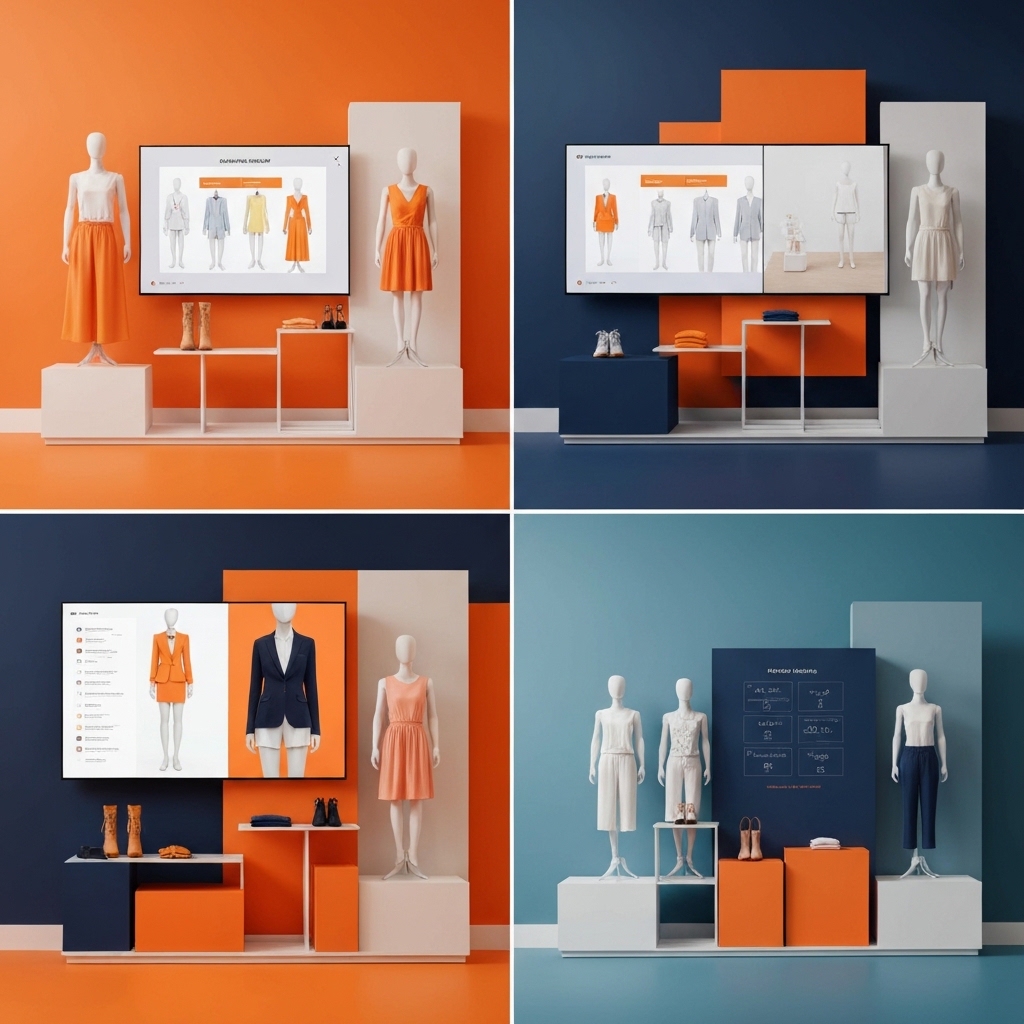
Core AI Capabilities That Define Modern Fashion E-Commerce
Visual search changed everything. Customers snap photos of outfits they admire, and the platform identifies similar items instantly.
Style recommendation engines analyze purchase history, browsing behavior, and even abandoned carts to suggest pieces that complement existing wardrobes. Virtual try-on technology uses augmented reality to render garments on customers' bodies, dramatically reducing returns (often the biggest cost drain in fashion retail).
These capabilities require neural networks trained on millions of product images and customer interactions, infrastructure that traditional platforms simply don't provide.
Why Traditional Platforms Fall Short for Fashion Retailers
Manual curation can't scale. When Zalando's AI personalizes homepages for each visitor based on millisecond-level behavior analysis, static category pages look prehistoric.
Traditional systems force merchandisers to hand-pick "featured items" that stay frozen for weeks, while AI adjusts displays every session based on real-time inventory, trending styles, and individual preference signals. The gap widens as fashion cycles accelerate and customer expectations for personalized experiences become non-negotiable.
How AI Transforms Customer Experience and Conversion Rates for Fashion Retailers
Fashion brands chase the same goal: turn browsers into buyers. Yet most online stores still treat every visitor identically, showing the same homepage to sneaker enthusiasts and dress shoppers alike.
An ai e-commerce platform for fashion brands flips this script entirely, delivering personalized experiences that mirror the attentiveness of a skilled sales associate. Our team has watched conversion rates climb when retailers deploy intelligent systems that actually understand shopper preferences.

Personalization at this scale demands more than basic "customers also bought" widgets. Leading retailers now curate entire homepages based on individual browsing patterns, style signals, and purchase history.
When someone lands on your site after browsing minimalist workwear on Instagram, the AI surfaces tailored blazers and trousers instead of generic bestsellers. This approach, similar to methodologies pioneered by major European fashion platforms, transforms static storefronts into dynamic showcases.
The technology tracks micro-interactions (hover duration, zoom behavior, color preferences) to refine recommendations continuously.
Real Numbers Behind AI Implementation
Performance improvements move beyond marketing fluff when you examine actual metrics. Fashion retailers implementing intelligent product management systems report conversion rates jumping 35% higher compared to manual curation.
Customer lifetime value tells an even more compelling story, with properly deployed AI tools driving a 40% increase as shoppers return for increasingly relevant suggestions. For context, explore how different platforms stack up in our Top 8 AI-Powered Ecommerce Website Builders Compared for 2024.
The Conversion Impact
Abandoned carts represent lost revenue, yet AI-powered retargeting recovers substantial ground. Smart platforms analyze why shoppers leave (price sensitivity, size uncertainty, comparison shopping) and trigger personalized follow-ups.
Maybe it's a limited-time discount for hesitant buyers or styling suggestions showing how that jacket pairs with items already in their closet. These contextual nudges outperform generic reminder emails because they address specific friction points rather than shouting "Come back!" into the void.
8 Must-Have Features Every Fashion Brand Should Demand From Their AI Platform
Selecting an ai e-commerce platform for fashion brands isn't about ticking boxes on a spec sheet. It's about finding tools that actually move the needle on sales and customer satisfaction.
Too many platforms promise the moon but deliver generic features that don't address the unique challenges of fashion retail. Here's what truly matters.

Visual Intelligence: Search, Recognition, and Virtual Try-On
Customers rarely know exact product names. They upload photos.
Visual search and image recognition let shoppers find that exact dress they screenshotted on Instagram, while virtual try-on technology reduces return rates by showing how items actually look on different body types. These features aren't luxuries anymore, they're baseline expectations that separate converting browsers from frustrated bounces.
Size recommendation engines powered by AI can cut returns by up to 30 percent by analyzing body measurements, past purchases, and fit preferences. Dynamic pricing optimization watches competitors in real-time, adjusting your prices to stay competitive without sacrificing margins.
Automated product tagging saves countless hours, instantly categorizing items by color, style, season, and trend relevance. (And yes, accuracy matters more than speed here.)
Staying Ahead of Fashion Cycles: Inventory and Trend Prediction
SHEIN's dominance comes from real-time trend detection, scraping social media and search data to identify what's hot before competitors even notice. Your platform should offer intelligent inventory management that forecasts demand spikes, prevents stockouts of trending items, and minimizes overstock of yesterday's styles.
Predictive analytics for customer behavior helps you stock what people will want next month, not what sold last season.
Kleap tip: When evaluating platforms, request a demo using your actual product catalog and sales data. Generic demonstrations hide whether the AI truly understands fashion nuances versus generic e-commerce patterns.
For guidance on integrated solutions, see our comparison in Choosing the Best AI Website Builder for Shopify in 2025.
What Fashion E-Commerce Platforms Won't Tell You About AI Implementation
Most vendors showcase impressive demos. What they skip?
The messy reality of actual deployment. When evaluating an ai e-commerce platform for fashion brands, sales pitches emphasize speed and automation while glossing over the substantial investments required beyond that monthly subscription fee.
Understanding these hidden aspects protects your budget and sets realistic expectations for your team.
The Hidden Costs Beyond Monthly Subscriptions
Transaction fees represent the silent profit killer. While some platforms advertise low monthly rates, they extract 2-3% from every sale, which compounds quickly.
A brand processing $150,000 annually pays roughly $3,000 in hidden fees with typical platforms. Compare that to solutions offering 0% transaction fees, where your entire margin stays intact.
Additional expenses pile up: premium integrations for inventory systems often cost $50-200 monthly, API access for custom connections runs another $100+, and third-party apps for advanced features add incremental charges. Migration costs from your current system can hit $2,000-5,000 when factoring in developer time and data transfer.
Why Your Data Quality Determines AI Success More Than the Platform Itself
Here's the uncomfortable truth: AI algorithms demand substantial fuel. Without at least 500 properly tagged product entries and six months of customer interaction history, recommendation engines produce mediocre results.
Many emerging brands discover their product catalogs lack consistent attributes (size charts vary, color names differ, style tags are incomplete), requiring weeks of cleanup before AI features activate properly. According to data quality research, poor information architecture undermines even sophisticated machine learning models.
Staff training consumes another 20-40 hours as teams learn new workflows, dashboard interpretations, and customer interaction protocols. Vendors promising 10-minute setup rarely mention this reality.
Speed, Cost, and AI Innovation de Building Your Fashion E-Commerce Stack
Choosing an ai e-commerce platform for fashion brands involves more than feature checklists. The real question?
How quickly can you launch without bleeding cash or sacrificing essential capabilities. Traditional platforms promise everything but deliver slow onboarding, hidden transaction fees, and customization bottlenecks that stall your market entry.
Fashion startups need velocity, not vendor lock-in.

Speed to Market vs. Customization Depth d'Evaluating Platforms
Enterprise solutions offer deep customization but require months of setup and development budgets exceeding $10,000. Startups can't afford that timeline.
Meanwhile, template-based builders launch fast but trap you in rigid structures. The sweet spot?
Platforms delivering 10-minute deployment without sacrificing GDPR compliance or core AI functionality. Uptime matters too, anything below 99% means lost sales during peak traffic.
How Kleap Accelerates AI-Powered E-Commerce for Fashion Startups
Kleap eliminates the usual tradeoff. Its AI-powered engine builds functional fashion storefronts in minutes, not months.
No developer overhead. No surprise transaction fees eating your margins.
You get native AI product recommendations, inventory automation, and customer behavior analytics from day one. Compare costs: traditional platforms charge $79-$299 monthly plus 2-3% transaction fees, while custom development runs $5,000-$15,000 upfront.
Kleap's model prioritizes speed and transparency, letting fashion entrepreneurs test markets before committing massive budgets. The platform handles technical infrastructure including 99% uptime guarantees, so you focus on design and customer acquisition instead of server maintenance.
FAQ - Frequently Asked Questions
What is an AI e-commerce platform for fashion brands?
Think of it as your online store with built-in smart features that learn from customer behavior. The AI component handles tasks like personalizing product recommendations, predicting which items a shopper might want based on their browsing history, and automating inventory alerts when stock runs low.
What makes it specifically valuable for fashion brands is the visual recognition technology. The system can suggest complete outfits, identify similar items customers might like, and even help with size recommendations based on previous purchases and returns.
How much does an AI e-commerce platform cost for a small fashion brand?
Budget anywhere from a few hundred to several thousand per month depending on your sales volume and which AI features you activate. Starter plans with basic personalization typically begin at more accessible price points, while advanced visual search and predictive analytics come at premium tiers.
The pricing usually scales with your revenue, which honestly makes sense for growing brands. Some platforms charge per transaction, others use flat monthly fees.
Watch for setup costs too, which can be separate from the monthly subscription.
Do I need technical expertise to implement AI e-commerce features?
Not for most modern platforms. The interfaces are designed for merchants, not developers, with drag-and-drop configuration and pre-built templates that work out of the box.
You might need technical help if you want deep customization or complex integrations with legacy systems. But activating standard AI features like product recommendations or chatbots?
That's typically just toggling settings and connecting your product catalog.
How long does it take to see ROI from an AI e-commerce platform?
The first improvements usually show up within four to eight weeks once the system has collected enough customer interaction data. Early wins come from better product recommendations and reduced cart abandonment through smarter retargeting.
Full ROI depends heavily on your traffic volume and how you optimize the AI suggestions. Brands with higher monthly visitors see results faster because the algorithms have more data to learn from.
I've seen fashion stores report noticeable conversion lifts after the second month, but the AI keeps improving over time. The real payoff compounds as the system gets smarter about your specific customers and inventory patterns.
Can AI e-commerce platforms integrate with my existing inventory system?
Yes, most established platforms offer integration options through APIs or pre-built connectors for popular inventory management software. The connection syncs your stock levels in real-time so the AI can make accurate recommendations and prevent overselling.
Check compatibility with your specific system before committing though. Some older or highly customized inventory setups might require middleware or custom development work to bridge the gap properly.
What's the difference between AI features and basic automation in e-commerce?
Basic automation follows fixed rules you set manually, like sending an email three days after purchase or showing the same "bestsellers" list to everyone. AI actually learns and adapts based on individual customer behavior without you programming each scenario.
The real difference shows up in personalization depth. Where automation might segment customers into broad categories, AI creates unique experiences for each shopper by analyzing hundreds of behavioral signals simultaneously and predicting what they want before they search for it.
Conclusion: The Future of Fashion Retail Starts With Your AI E-Commerce Platform
An AI e-commerce platform for fashion brands is no longer a competitive advantage, it's a survival requirement in 2026. The retailers winning market share today are those leveraging personalization engines, visual search, predictive inventory management, and intelligent customer journeys to create experiences traditional platforms simply cannot match.
Start by auditing your current platform against the eight essential features outlined above. Identify your biggest conversion bottlenecks, whether that's poor product discovery, generic recommendations, or abandoned carts, and prioritize AI capabilities that directly address those pain points.
Ready to transform your fashion brand with AI-powered e-commerce? Kleap makes it simple to build intelligent retail experiences without technical complexity or enterprise-level budgets.
Our AI-driven platform helps fashion brands launch sophisticated online stores with personalization, smart recommendations, and conversion optimization built in from day one. Book a demo with the Kleap team today to see how we can elevate your fashion retail experience.
Your competitors are already leveraging AI, make 2026 the year you lead instead of follow.
Tags
Ready to build your website?
Start creating your professional website with AI in minutes. No coding required.
Get Started Free

