3 Critical Events That Defined Global Upheaval in September 2025
September 1, 2026, wasn't just another date on the calendar. It was a glimpse into just how complicated and chaotic our world can be. It was a day that brought heartbreaking tragedies, shocking political decisions, and quiet tensions that you could feel spreading from one continent to another.
You had a brutal natural disaster in Central Asia, a huge fight over public health in the U.S., and growing conflicts in Africa and Europe, all showing just how connected and fragile our world really is. Understanding this article for 2026-09-01 is more than a historical exercise; it is a critical look at the forces shaping our future.
The day's news cycle was a powerful reminder that stability is never guaranteed and that events thousands of miles apart can have linked consequences, influencing everything from international relations to local community health.
The threads connecting these disparate events are woven through security, health, and diplomacy. Think about it: a deadly earthquake kicked off a massive international aid response, while a new Ebola outbreak put global health security to the test. At the exact same time, a major state was tearing down its own basic public health rules.
At the same time, countries were taking each other to court, and spy charges were making everyone in the region even more nervous.
Even the way we fight organized crime was changing, with drug cartels suddenly being labeled as terrorist groups, a switch-up that carries huge weight for diplomacy and the military. When you dig into the detailed reports from places like Wikipedia's current events portal and the big news networks, you can start to see a story that is less about *what* happened. It is more about *why* it's a big deal. What you see is a world just trying to handle one crisis after another while also dealing with these huge, long-term power shifts.
That's what today's world is all about.
Key takeaways
- The absolute worst news from September 1, 2026, came out of Afghanistan’s Nangarhar Province.
- While some countries were fighting for their lives against disease, the U.S. was making a major policy change that would have consequences for years to come.
- September 1, 2026, also had its share of global drama, with several conflicts flaring up that remind us of the ongoing struggles around the world.
Tragedy Strikes in Afghanistan and London
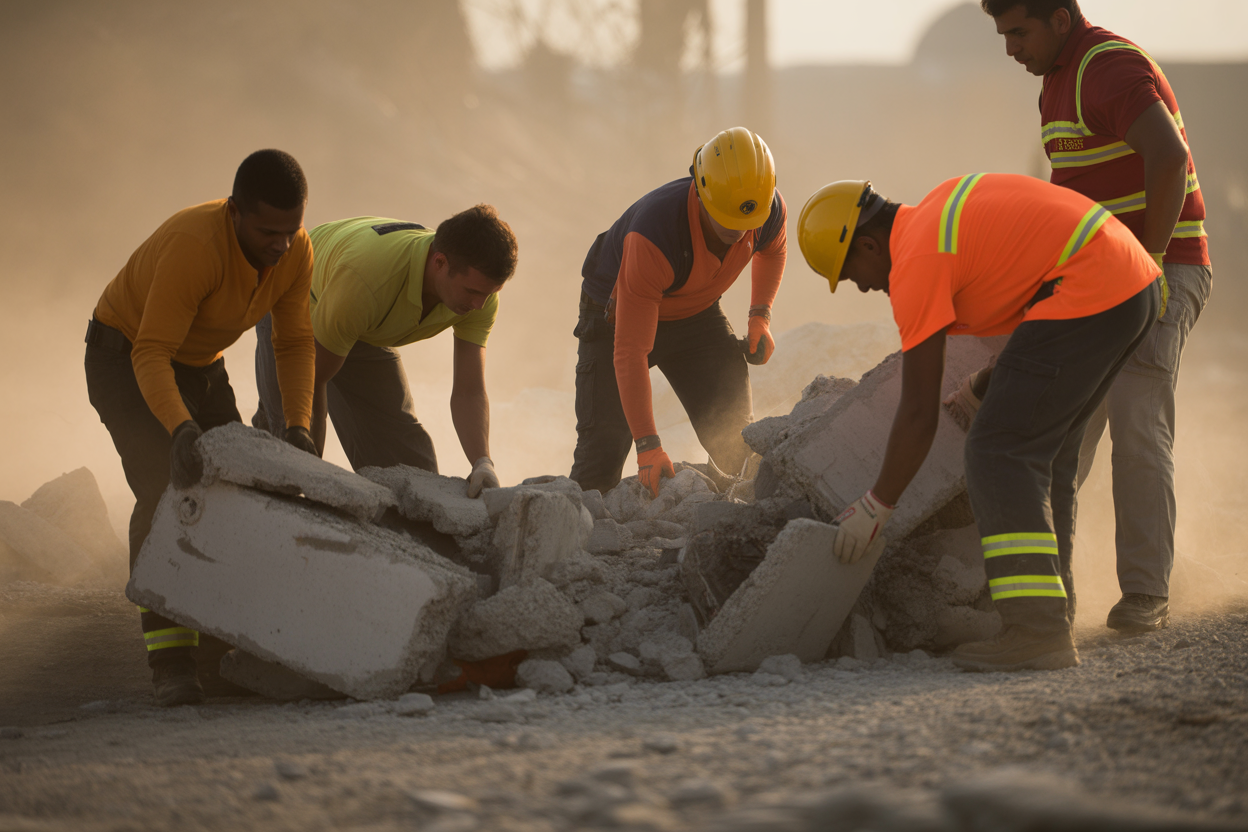
The absolute worst news from September 1, 2026, came out of Afghanistan’s Nangarhar Province. A massive earthquake hit the area, and the destruction it left behind was immense.
The first reports were heartbreaking, talking about hundreds of people confirmed dead, trapped under the ruins of their own homes. Once rescuers started their work, just how bad things were became painfully obvious.
The number of dead just kept rising, finally hitting at least 2,205. It was a staggering loss that absolutely stunned the rest of the world.
We heard that whole villages were completely wiped out, entire communities just gone in a matter of moments. Getting help to people was a nightmare. The rough landscape and wrecked roads made it incredibly hard for rescuers to bring in aid or even look for survivors.
News channels like ABC News were covering the terrible situation as more than 1,300 injured people flooded the local clinics and hospitals, which were already struggling to keep up.
It was just a brutal reminder of how powerful nature can be and how incredibly vulnerable people are in places that get hit by disasters.
Meanwhile, on that very same day, a totally different kind of disaster was happening in a major city in the West.
In London, a double-decker bus crashed right near Victoria station, which is always packed with commuters and tourists. Of course, it wasn't anything like the earthquake in Afghanistan. However, the crash still created a huge mess and left 17 people hurt. The fact that 15 of them had to be taken to the hospital shows just how serious it was.
It just added another sad story to a day that was already full of bad news, reminding us that accidents and man-made disasters can happen anywhere, even in the most modern cities on Earth.
Try it — build your site while you read
Describe what you want and get a live, publishable site in seconds. Free to start, no code.
Join 200,000+ makers building real websites with Kleap.
Profound Divides in Global Health Policy
While some countries were fighting for their lives against disease, the U.S. was making a major policy change that would have consequences for years to come. The state of Florida actually went ahead and announced it was getting rid of all vaccination requirements for diseases like chickenpox, measles, and polio.
It became the very first state to throw out these public health rules that have been around forever, the same ones that practically wiped out diseases that used to cripple and kill millions.
As you can imagine, the decision kicked off a huge national argument, with networks like ABC News highlighting the clash between personal freedom and the implications for public health.
Public health experts from all over the world started sounding the alarm, saying that tearing down these safeguards could let preventable diseases come roaring back.
The biggest worry was about losing herd immunity, that protective bubble we get when almost everyone in a community is vaccinated. Because of this new policy, folks in Florida and possibly other places were now sitting ducks for new outbreaks. Even people high up in the U.S.
The health system criticized the move. It really showed a growing split in how we think about public health, shifting away from protecting the group to just focusing on individual choice. We might not see the real fallout for years.
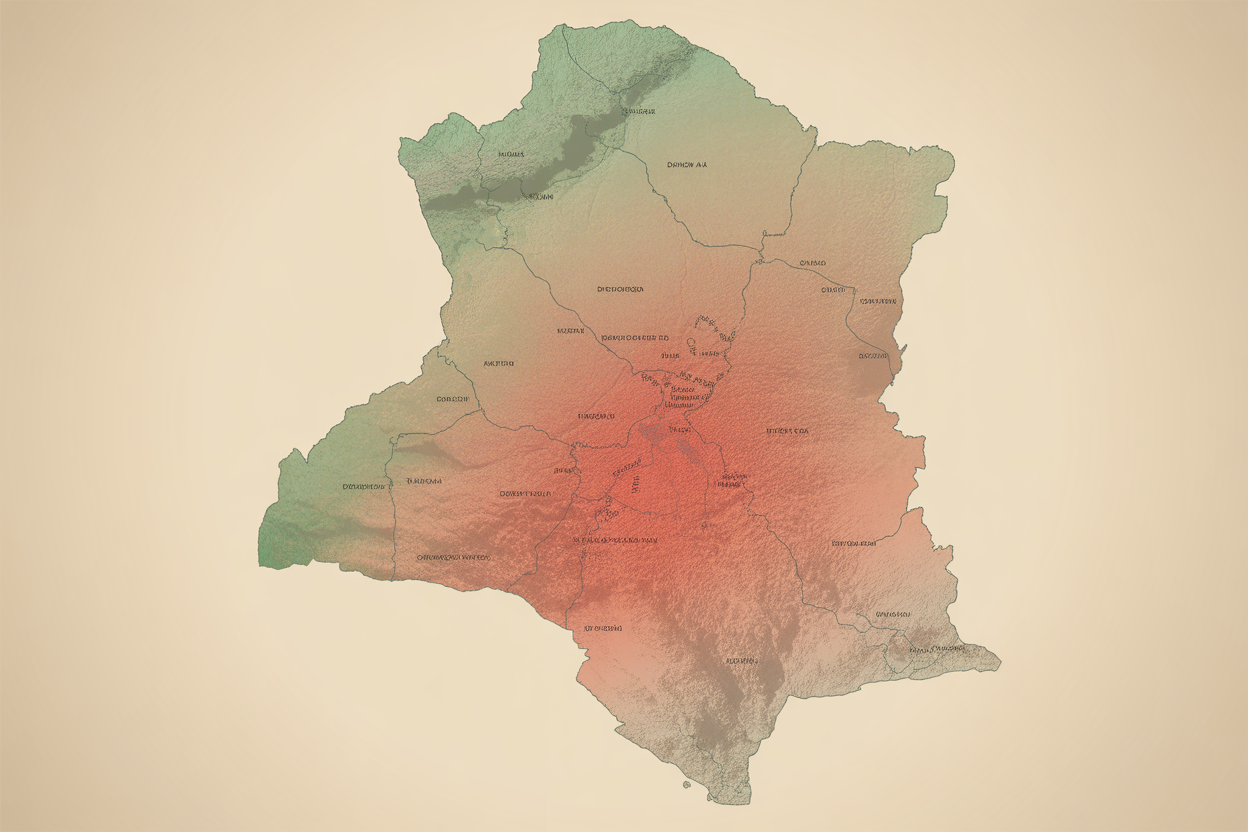
At the same time, a completely different kind of health crisis was breaking out in the Democratic Republic of the Congo. A fresh Ebola outbreak had just been confirmed in Kasaï Province, an area that had already been hit by the deadly virus before.
Health officials were already reporting 28 people who might have it and 15 deaths, a grim start.
The really bad news was that it was the Zaire strain, which everyone knows is the most deadly type. The announcement sent international health groups scrambling to contain the outbreak before it could spread any further. And the contrast couldn't be more stark: on the very same day, one part of the world was tearing down its defenses against disease, while another was frantically trying to build them up against one of the deadliest viruses out there.
International Relations and Security Flashpoints
September 1, 2026, also had its share of global drama. Several conflicts flared up, reminding everyone just how tangled the world's friendships and rivalries are.
Over in West Africa, things really boiled over between Mali and Algeria. It got so bad that Mali's government actually sued Algeria in the world's highest court. The lawsuit claimed that Algeria shot down a Malian military drone, which Mali said was connected to its fight against rebels in the important Kidal region.
Taking it to court like that really put their local fight on the world stage and showed that things were getting seriously bad between the two neighbors.
Half a world away in Eastern Europe, another conflict was starting to bubble up. Belarus announced it had arrested a Polish citizen and one of its own people, claiming they were spies.
Officials in Belarus said the pair had documents about the "Zapad 2026" military drills, which are a pretty big deal strategically. This whole thing just threw more gas on the fire along the EU's eastern edge, an area that's already full of suspicion and military flexing.
Let's be honest, spy charges are a classic political move. It's how countries send a tough message and ramp up the pressure on each other.
And in the Americas, the U.S. made a pretty big move in its fight against international crime syndicates. The U.S.
government formally labeled two of Ecuador's biggest drug cartels, Los Choneros and Los Lobos, as terrorist groups.
This wasn't just a word game; changing that label gives U.S. agencies a whole new playbook to sanction, chase down, and break up these cartels. On top of that, Washington also promised a lot of help for Ecuador, like $6 million for drones and another $13 million in security money for their Navy.
It really highlighted a change in thinking, treating these massive criminal groups less like a police problem and more like a national security threat that needs something closer to a military response.
Conclusion Your Gateway to Global Insight
The tapestry of global events on September 1, 2026, was intricate and deeply telling. You had the earth literally shaking and people dying, while on the other side of the planet, political choices were being made that could change public health for decades.
It was a day where old-school power plays like spying and lawsuits were happening right alongside brand-new ways of fighting crime. What this article for 2026-09-01 truly illustrates is that our world doesn't operate in silos.
The fallout from a natural disaster becomes a diplomatic headache. A health decision made in one country worries the whole world.
A small regional fight can create massive security problems for everyone.
Just how fast all this happened, and how quickly we heard about it, really drives home how connected and shaky everything feels these days.
Keeping up with the news isn't just something you do in your spare time anymore; you have to do it to get by in the 21st century. Understanding what's really going on behind the headlines, whether it's the tangled U.S. trade war with China and India or the exact type of virus in Central Africa, is something every leader, business, and citizen needs to do.
Every single event is another thread in the huge, constantly shifting story of our world, from a bus crash in London to a drone argument in Mali. The first step to making any sense of this fast-moving world is to start seeing these patterns and figuring out what they might mean down the road.
Here at Kleap, our whole mission is to give you the clear-eyed insights you need to find your way through this complicated world.
We believe that getting clear information with the right context is how everyone makes smarter choices. So if you're trying to figure out what’s driving change in your industry or the world, we've got your back.
Check out our services and see how we cut through all the global noise to find what you can actually use.
Get in touch today and find out how Kleap can give you an advantage in a world where you never know what's next.