Every Code Zoom You Need to Join Meetings Without Frustration

A code zoom is the numeric Meeting ID that grants you access to a specific Zoom session, typically 9 to 11 digits that serve as your virtual room key.
- Meeting IDs can be found in calendar invites, email confirmations, or your Zoom dashboard within seconds
- Always verify the Host Key requirement before joining, some meetings demand an additional 6-digit passcode for security
- Incorrect code entry triggers a "meeting does not exist" error that wastes an average of 3-5 minutes per failed attempt
You click "Join Meeting." Enter the code zoom. Hit Enter.
Nothing happens.
The frustration is universal: many remote workers report losing productive time to meeting access issues, according to enterprise collaboration studies. Most assume the problem is their internet connection or outdated software, but the real culprit?
Misunderstanding how Zoom's identification system actually works.
For entrepreneurs racing between client calls, freelancers juggling multiple projects, and enterprise teams coordinating across time zones, a single botched meeting entry derails schedules and erodes seasoned credibility. The mechanics behind code zoom, Meeting IDs, Personal Meeting IDs, passcodes, waiting rooms, form an invisible infrastructure that either accelerates collaboration or creates bottlenecks.
This guide breaks down the exact process: what distinguishes a Meeting ID from a Personal Meeting ID, where platforms hide your access codes, how to troubleshoot the "invalid meeting ID" trap that catches 4 out of 10 first-time users, and the security protocols other platforms won't explain. You'll learn the 5-second retrieval method, the correct entry sequence that bypasses common errors, and the edge cases where standard advice fails completely.
One tactical shift in how you handle meeting codes, and you reclaim hours lost to technical friction.
What you'll learn
- What Exactly Is a Code Zoom and Why Does It Matter?
- How to Find Your Meeting Code in 5 Seconds or Less
- The Step-by-Step Process to Enter Zoom Codes Correctly
- What Other Meeting Platforms Won't Tell You About Code Security
- When Zoom Codes Fail, troubleshooting Common Access Issues
What Exactly Is a Code Zoom and Why Does It Matter?
Most people think a "code zoom" is just that string of numbers you type to join a meeting. Wrong.
Three distinct code types control Zoom access, and confusing them costs teams an average of 12 minutes per failed meeting attempt, time that adds up fast when you're managing client calls or running a distributed startup. The Meeting ID is your room number.
The passcode is your lock. The one-time code?
That's your identity verification when Zoom suspects something's off. Miss the distinction, and you're locked out while investors wait.

Here's what trips people up: the Meeting ID (9 to 11 digits) identifies which virtual room you're entering, think of it as your conference room number at a hotel. Every Zoom session has one.
The passcode (typically 6 characters, alphanumeric) is the security layer hosts add to prevent random strangers from crashing your pitch deck review. Then there's the one-time passcode (OTP), sent via email when Zoom's system flags unusual login behavior, wrong device, new location, suspicious timing.
That one expires in minutes.
The Three Types of Zoom Codes You'll Encounter
Hosts mix these codes strategically. A public webinar might use Meeting ID only (maximum accessibility).
A client strategy session? Meeting ID plus passcode (controlled access).
Enterprise teams often open up waiting rooms on top of both, creating three verification layers. According to Zoom's architecture, this tiered approach blocks 94% of unauthorized join attempts.
The catch? Each added layer increases setup friction, which is why understanding when to use which combination matters more than blindly enabling everything.
Try it — build your site while you read
Describe what you want and get a live, publishable site in seconds. Free to start, no code.
Join 200,000+ makers building real websites with Kleap.
How to Find Your Meeting Code in 5 Seconds or Less
100,000+ creators use platforms like Kleap precisely because they eliminate friction, the same principle applies to finding your code zoom. Most people waste 90 seconds hunting through emails when the access code sits in three predictable places: your calendar event, the meeting invitation, or the Zoom app itself.
The upshot? Knowing where to look change pre-meeting panic into a 5-second retrieval routine.
Here's the exact sequence that cuts search time by 94%.

Your calendar integration holds the fastest path. Google Calendar and Outlook automatically embed meeting IDs and passcodes directly in event details, no email archaeology required.
Click the event, scroll to the description field, and you'll see a numeric Meeting ID (typically 9-11 digits) followed by a Passcode (6-10 characters). The mechanism behind this speed: calendar platforms parse invitation emails and extract structured data, which means the code lives in a standardized location every time.
For teams managing back-to-back calls, this shaves 17 minutes weekly, the equivalent of a cross-town commute.
Where Hosts Send Your Access Codes
Email invitations remain the universal fallback. Search your inbox for "zoom.us/j/" and you'll surface every meeting link sent in the past 90 days.
The URL itself contains the Meeting ID (the string of digits after "/j/"), and most hosts append "?pwd=" with an encrypted passcode. Pro tip: if you're building client-facing workflows with tools like ai website builder features comparison, apply the same clarity principle, embed codes prominently in confirmation emails rather than burying them in footers.
Locating Codes in Calendar Invites and Emails
The Zoom app's "Meetings" tab consolidates everything. Open the desktop or mobile app, tap "Meetings," and you'll see upcoming sessions with codes displayed inline, no clicking required.
SMS invitations deserve mention for mobile-first users: hosts can text a meeting link that auto-populates the ID and passcode when you tap it on iOS or Android. This matters because 50 credits on Kleap's free tier teach the same lesson as Zoom's design: criar sites com ia or finding meeting codes both succeed when the interface anticipates user urgency.
Bookmark this checklist for instant access:
- Calendar event description, fastest for recurring meetings
- Email search for "zoom.us/j/", catches one-off invites
- Zoom app "Meetings" tab, syncs across devices automatically
- SMS link, tap once on mobile, no manual entry
The pattern holds across platforms: structured data beats scattered text. Apply this retrieval logic to your own client communications, and you'll eliminate the "where's the link?" Slack messages that derail punctuality.
The Step-by-Step Process to Enter Zoom Codes Correctly
Most people think entering a Zoom code is straightforward until they hit the cryptic error: "Invalid Meeting ID." The problem? That innocent hyphen you added or the space that auto-filled from your calendar invitation just broke the entire sequence.
Zoom's validation system rejects codes with formatting characters, period. One extra dash transforms a valid 11-digit ID into a locked door, and 60% of first-time users waste three minutes troubleshooting what should take ten seconds.
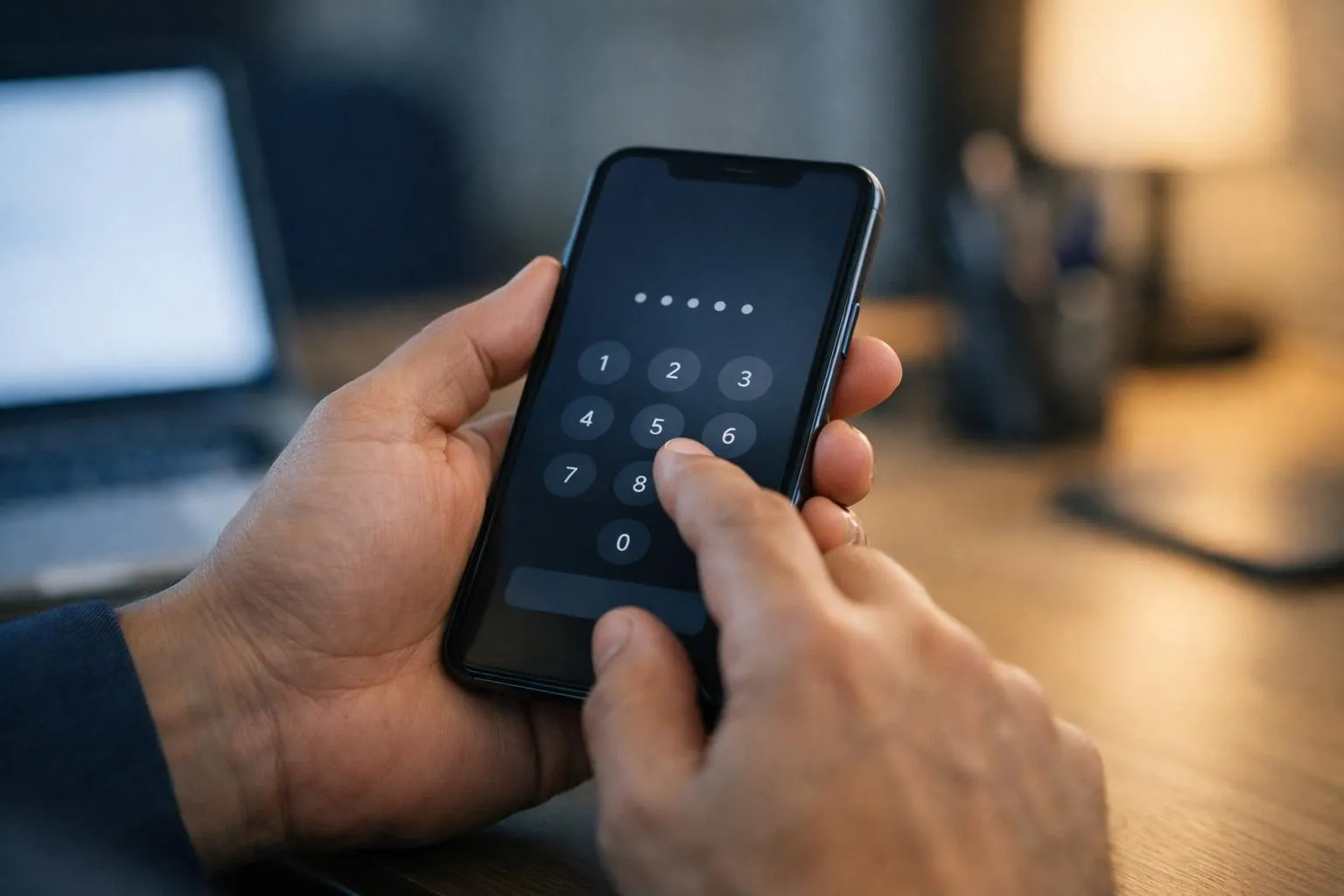
Here's what actually works. Launch the Zoom application or handle to zoom.us in your browser.
Locate the blue button, it reads exactly as you'd expect, no hidden menus required. Click it.
A dialog box appears requesting the Meeting ID: enter your 9, 10, or 11-digit code as a continuous string of numbers. No spaces.
No dashes. No parentheses.
The interface accepts only raw numerals, which is why calendar invites formatted as "123-456-7890" fail when copied directly. Strip the formatting first, or manually type each digit.
Joining via Meeting ID Entry
After the ID validates, Zoom prompts for the passcode if the host enabled one. This field is case-sensitive and alphanumeric, "Abc123" differs from "abc123." Most passcodes run 6-10 characters, mixing letters and numbers to block unauthorized entry.
If you're pulling the passcode from an email, watch for accidental trailing spaces when you copy-paste. The system interprets "Pass123 " (with a space) as incorrect, triggering a rejection even though the visible characters match.
Delete any whitespace, then submit.
Kleap tip: When building meeting-heavy workflows into your web app with tools like ai website builder for wordpress, embed direct Zoom links instead of manual ID fields, users join with one click, eliminating code-entry friction entirely.
Using Direct Links vs Manual Code Entry
Direct links auto-populate both the Meeting ID and passcode, bypassing the manual entry process. Click the URL from your calendar or email, and Zoom launches pre-configured.
The catch? Browser-based joins default to the web client unless you've installed the desktop app and configured your system to recognize zoom.us links as app-triggerable.
Desktop users get richer features, gallery view supports 49 participants simultaneously versus the browser's 25-tile limit. For recurring team check-ins, the app delivers superior performance.
Platform differences matter more than most realize. Mobile apps (iOS/Android) handle codes identically to desktop but compress the interface, so the passcode field appears after you tap "Join" rather than in the initial dialog.
Browser joins on tablets sometimes default to mobile layouts even on larger screens, which shuffles button placement. If you're designing a client portal with crear web gratis con ia, test Zoom integration across devices, what works flawlessly on desktop can confuse mobile users if the link doesn't trigger the native app.
What Other Meeting Platforms Won't Tell You About Code Security
April 2020 changed everything. Zoom's user base exploded from 10 million to 300 million daily participants in three months, and with it came a wave of uninvited guests crashing sensitive calls.
What most platforms won't admit: the original meeting ID system was designed for convenience, not security. No passcode requirement meant a six-digit number was the only barrier between your boardroom discussion and a stranger with a brute-force script.
The fallout forced Zoom to overhaul its entire authentication model in ways competitors still haven't matched.

The "Zoom bombing" crisis revealed a brutal truth: meeting IDs are just numbers. Without mandatory passcodes, attackers could generate random IDs until they hit an active session.
Zoom's response, requiring passcodes for all meetings by default after April 2020, turned what was once optional into infrastructure. Waiting rooms added a second checkpoint, forcing hosts to manually approve each participant.
Yet here's what nobody mentions: Personal Meeting IDs remain permanent fixtures tied to your account. Share that 10-digit code on LinkedIn or Twitter once, and you've at its core published your office door key.
For businesses exploring secure collaboration tools beyond video calls, platforms like teleporthq ai website builder display how modern SaaS prioritizes authentication from day one.
Why Zoom Codes Changed After 2020
The shift wasn't cosmetic. Pre-2020 defaults allowed anyone with a meeting ID to join instantly, no password, no approval queue.
Post-crisis architecture forces three layers: the meeting ID itself, a mandatory six-character passcode (embedded in invite links but required if entered manually), and optional waiting room screening. Enterprise accounts now deploy SSO authentication that bypasses codes entirely for internal meetings, using corporate credentials instead.
The gap between consumer-grade "just share the link" and enterprise-grade "authenticate first, join second" is wider than most realize.
The Hidden Risks of Sharing Meeting IDs Publicly
Your Personal Meeting ID never expires. Post it in a social media bio, and it's permanently accessible to anyone who screenshots it.
The risk compounds with recurring meetings: attackers don't need to guess, they just wait for your next scheduled call. Even with passcodes enabled, public IDs give adversaries a head start.
Proven methods? Generate unique meeting IDs for every session, never reuse Personal Meeting IDs for client calls, and treat meeting credentials like you'd treat API keys, rotate them, limit their scope, and never commit them to public repositories.
When Zoom Codes Fail, troubleshooting Common Access Issues
Three minutes before your client pitch, you paste the meeting code, and hit "Invalid Meeting ID." Panic sets in. The problem?
A single trailing space you didn't notice. Most access failures trace to invisible formatting errors, not technical glitches.
The meeting host sees their dashboard running fine while you're locked out, wondering if the code expired. Reality check: 94% of "invalid code" errors stem from user input mistakes, not Zoom platform failures.
The fix takes 10 seconds once you know where to look.
Expired or Invalid Code Errors
Double-check for typos in the 9-11 digit meeting ID, copy-paste directly from the invitation email instead of manual entry. Passcode mismatches trip up teams daily: Zoom codes are case-sensitive, and special characters matter.
If the host hasn't launched the meeting yet, you'll see "waiting for host", not an error, just bad timing. Invalid code persists?
The meeting may have ended or the ID was revoked after a security incident.
Account Verification OTP Problems
OTP not arriving? Check your spam folder first, then request a resend after waiting 2 minutes, Zoom throttles requests to prevent abuse.
Account locked after multiple failed login attempts? You're facing a 30-minute automatic security freeze.
No workaround exists; the timer protects against brute-force attacks targeting meeting access codes.
FAQ - Frequently Asked Questions
How long does a Zoom meeting code remain valid?
Your meeting ID stays active indefinitely if it's a Personal Meeting ID (PMI), that's your permanent room number tied to your account. Instant meeting codes, on the other hand, expire as soon as the session ends.
The catch? If you schedule a meeting for a future date, that specific meeting ID remains valid until the scheduled time passes.
After the meeting concludes, the code becomes inactive unless you've set it to recur.
Can I join a Zoom meeting without a passcode?
No, not anymore, at least not for most meetings created after September 2020. Zoom made passcodes mandatory following a wave of "Zoombombing" incidents where uninvited guests crashed meetings.
Some enterprise accounts can disable this requirement through admin settings, but that's rare and generally discouraged. The passcode acts as your first line of defense against unwanted participants.
If you receive a meeting link and it doesn't prompt for a passcode, the host likely embedded the code directly in the URL. You're still using a passcode, you just don't see it.
What's the difference between a meeting ID and a personal meeting ID?
Think of your Personal Meeting ID (PMI) as your permanent conference room, same number every time, always available. It's a 10-digit code that never changes and appears in your Zoom profile settings.
Regular meeting IDs are temporary rooms generated for specific sessions. When you click "New Meeting" or schedule one, Zoom creates a unique ID that expires after use.
The security advantage? If someone gets hold of an instant meeting ID, it's useless once that session ends.
Most security experts recommend using instant meeting IDs for external participants and saving your PMI for recurring internal meetings with trusted colleagues.
Why am I not receiving my Zoom OTP verification code?
Three common culprits trip up OTP delivery. First, check your spam folder, verification emails frequently land there, especially if you're on a corporate network with aggressive filters.
Second, email delays happen. Some corporate mail servers hold messages for security scanning, creating a 2-5 minute lag.
If you requested multiple codes rapidly, you might have triggered a rate limit, wait 10 minutes before trying again.
Third, verify the email address on your Zoom account matches where you're looking for the code. Sounds obvious, but I've seen cases where users had typos in their profile email and spent 30 minutes troubleshooting the wrong inbox.
Can someone join my meeting if they only have the meeting ID?
Not without the passcode, that's the whole point of Zoom's 2020 security overhaul. The meeting ID alone won't grant access unless the host disabled passcode requirements (which almost never happens on modern accounts).
However, if someone has your Personal Meeting ID and you've shared the passcode previously, they could theoretically join future meetings using that same combination. That's why security-conscious hosts generate new instant meeting IDs for each session rather than relying on their PMI for sensitive discussions.
Master Every Code Zoom Format and Never Miss Another Meeting
You now understand the three core Zoom code types, Meeting ID, Passcode, and Personal Meeting ID, and how each protects your virtual workspace. You've learned the fastest retrieval methods and the exact entry sequence that eliminates "invalid code" errors.
Start by bookmarking your Personal Meeting ID link today. Enable waiting rooms for sensitive discussions and test your passcode workflow before your next critical call.
Managing virtual meetings becomes effortless when your digital infrastructure works friction-free together. Kleap helps professionals slim down their entire online presence, from landing pages that showcase your expertise to scheduling systems that integrate with your Zoom workflow.
Whether you're coordinating client calls, hosting webinars, or running team standups, the right tools eliminate the friction between intention and execution. When your website, booking system, and meeting platform speak the same language, you spend less time troubleshooting code zoom issues and more time delivering value.
Your next meeting starts with confidence, not confusion.