Website Design AI Agent Features You Should Look For Before You Choose

A website design AI agent is software that uses prompts or natural-language requests to generate, edit, and sometimes optimize a website's layout, copy, images, and structure. The most useful features are prompt-to-site generation, conversational editing, visual editing controls, SEO support, integrations, and publishing flexibility.
Some tools only generate a first draft, while others support ongoing conversational edits like "make the hero section darker" or "add a pricing page" and connect to analytics, CRM, or content workflows. That distinction matters because a traditional website builder with isolated AI helpers is not the same as an end-to-end design agent that can generate structured drafts and keep refining them through prompts.
Stronger platforms let you fine-tune typography, spacing, and layouts directly because AI drafts usually need human review for brand fit.
What Makes an AI Website Design Agent More Than a Builder?
An AI website design agent generates structure, copy, and design from a simple prompt or questionnaire, rather than starting with a template that you fill in manually. That distinction matters because a traditional builder still requires you to choose layouts, write every headline, and assemble pages one at a time.
An agent handles those decisions upfront, then gives you the result to refine.

From a First Prompt to a Multi-Page Website
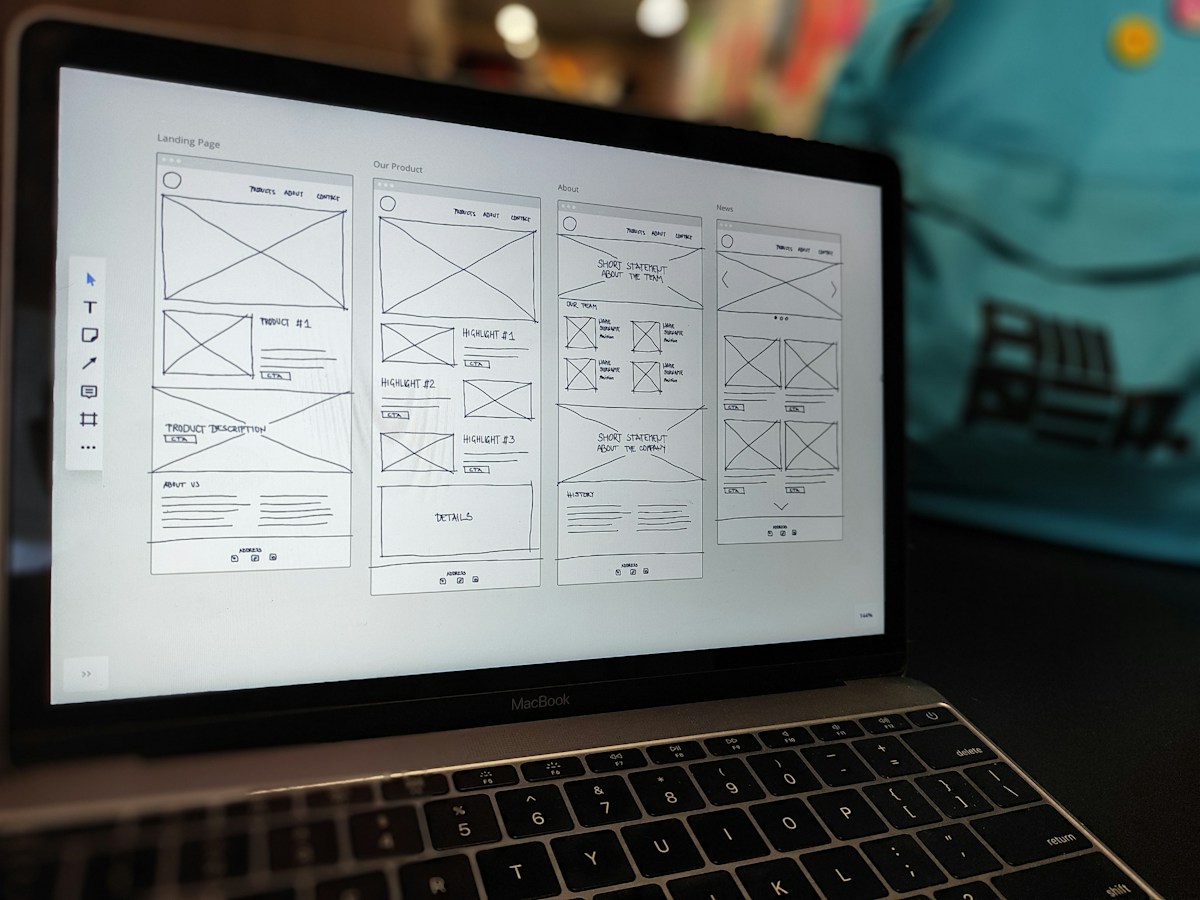
A meaningful first draft should deliver a multi-page site, not just a landing page or isolated text block. Tools that can generate page structure, images, and design systems within the same workflow offer more than content-only helpers.
Some platforms draft text or suggest a single layout but leave you to build the rest manually. An end-to-end agent constructs the navigation, sections, and visual hierarchy so you can start editing instead of assembling.
Where Automation Ends and Human Judgment Begins
AI-generated drafts still need human review for spacing, typography, accessibility, brand fit, and factual accuracy. The best tools include visual editing controls so you can adjust what the agent produced without rewriting prompts or switching to a separate editor.
That combination of prompt-led speed and direct control makes the difference between a convenience feature and a tool that genuinely changes how you build.
Try it — build your site while you read
Describe what you want and get a live, publishable site in seconds. Free to start, no code.
Join 200,000+ makers building real websites with Kleap.
Why Prompt-to-Site Generation Changes the Starting Line
Prompt-to-site generation compresses the typical setup phase into one step. Instead of selecting a template, naming pages, and writing every headline manually, you describe your business in a few sentences and receive a structured draft that includes navigation, page hierarchy, and copy tailored to that description.
The difference is not just speed but the removal of decisions that slow down launch without adding strategic value.

The quality of that first draft depends on how well the agent interprets your input. A useful starting point should reflect your actual offer, not fill pages with sections that do not apply to your business.
For example, a Chicago-based consulting firm needs service descriptions, a contact form, and location-specific messaging, not a blog archive or e-commerce checkout. Tools that generate coherent multi-page experiences for service businesses, startups, or online stores demonstrate stronger comprehension than those that produce generic layouts regardless of prompt content.
Test the Draft Before You Commit to It
Evaluate whether the agent supports regeneration of individual sections without rebuilding the entire site. That capability matters when the homepage works but a service page needs a different tone or structure.
Prompt-to-site generation reduces setup time, but review remains necessary before publishing. Check spacing, typography, accessibility, and factual accuracy manually.
The agent handles initial assembly; you confirm that the result matches your brand and serves your audience.
Strong prompt-to-site systems let you refine the draft through conversational editing or direct visual controls, rather than forcing you to restart from a new prompt each time a section needs adjustment. Kleap's natural-language workflow is designed to build professional digital platforms from an idea without requiring coding, making it relevant when evaluating how well an agent translates business inputs into usable structure.
The Editing Features That Separate Useful AI From Frustration
Generation speed matters less than what happens after the first draft. The practical difference between a helpful AI agent and a frustrating one shows up when you need to change a section's tone, add a pricing table, or adjust mobile spacing without rebuilding the entire site.
Conversational Changes Without Starting Over
Conversational editing lets you request changes in natural language, such as "make the hero darker" or "add a pricing page," without reverting to a blank canvas. Tools that support this workflow treat each prompt as part of an ongoing session rather than an unrelated request.
A system that forgets your previous changes forces you to repeat instructions or manually restore lost content.
Assess whether changes can be scoped to one page, one component, or one content block. An agent that regenerates the entire site when you revise a call to action wastes time and risks overwriting sections that already work.
The best tools let you isolate edits so unchanged sections, forms, links, and integrations remain intact.
Visual Controls for the Details AI Misses
AI drafts usually need human review for spacing, typography, alignment, and brand fit. Visual editing controls let you fine-tune these details directly instead of describing them in prompts.
A coherent design system covering fonts, buttons, cards, and navigation helps maintain consistency as you edit.
Test whether you can override AI decisions rather than being forced to accept generated layouts. Some platforms lock you into automated choices, while others preserve user control over breakpoints, grids, and reusable components.
The practical tradeoff is between a fully automated workflow and a hybrid workflow that combines AI speed with manual precision for brand-specific adjustments.
Pro tip: Make three unrelated changes, inspect the mobile layout, then verify that unchanged sections remain intact. This quick test reveals whether the agent preserves your work or forces you to rebuild after each edit.
Can It Handle Content, SEO, and the Work Beyond Design?
Layout is only part of the job. Once the structure is in place, the agent still needs to produce usable copy and give you the controls to make the site findable and operational.
This is where a website design AI agent either proves itself as a full workflow tool or falls back into a drafting assistant that leaves the rest to you.
Content That Matches the Page and the Audience
A capable agent drafts homepage, About, product, service, and blog copy, with the option to adjust the tone or regenerate a section without touching the rest of the site. Look past whether it writes at all and check whether the output reflects your actual audience, offer, and conversion goal.
Generic filler that could belong to any business is a sign that the copy generation is shallow, even if the layout looks polished.
Image and design support matters here too. Useful systems can generate or adapt imagery, suggest layouts, and carry a consistent color and font direction across pages rather than treating each section as a separate decision.
Since Kleap builds design, copy, and structure inside one natural-language workflow, this consistency check is a fair test when comparing it with tools that only generate isolated blocks of text or a single template.
Publishing and Optimization Controls Worth Testing
SEO support should go beyond a checkbox. Confirm that you can edit page titles, meta descriptions, URLs, and alt text directly, and that the agent offers on-page recommendations you can accept or ignore.
Editable metadata matters because it keeps you in control of how the site is described to search engines, rather than locking those decisions inside an automated process you cannot review before publishing.
Publishing controls are the other half of the equation: hosting, custom domains, page visibility settings, forms, and the ability to update live content without redeploying the whole site. Since Kleap pairs its builder with hosting, forms, and custom domains, these operational pieces are worth testing directly rather than assuming they work the same way across every AI website tool.
Finally, check integrations. If the site needs to support marketing or sales work, analytics, CRM, forms, or e-commerce connections determine whether the agent fits into your existing workflow or becomes an isolated tool.
None of this guarantees rankings, conversions, or error-free content. What it does is give you the levers to manage those outcomes yourself.
For a closer look at what these controls include across plans, see this review of Kleap's Pro plan features.
How to Judge Quality, Flexibility, and Long-Term Fit
Start by testing output quality with a repeatable brief rather than relying on a polished demo. Ask whether the tool produces usable responsive layouts, clear navigation, readable typography, relevant copy, and a consistent visual hierarchy.
A system that generates generic filler or breaks on mobile is not ready for production, even if the initial preview looks professional.

Check customization depth by uploading brand assets, adjusting design tokens, and testing page-level edits. Tools that lock you into templates or require custom code for minor changes create bottlenecks.
Assess whether you can control reusable components, modify the structure without regenerating the entire site, and preserve edits when you make new requests.
The Five Questions to Ask Before Publishing
Evaluate scalability by asking whether the platform can add pages, products, forms, campaigns, and application features as your organization grows. Review ownership and portability early.
If long-term control matters, check whether you have access to generated code or site assets, since some platforms restrict export or tie your content to their infrastructure.
Test integrations against actual workflows. Analytics, CRM, lead capture, e-commerce, and content publishing connections should work with the tools you already use, rather than forcing you into a new stack.
Isolated design tools that cannot connect to your existing systems create extra work later.
A tool that requires weeks of training or forces nontechnical users to return to developers for routine changes will slow launches.
Kleap's natural-language workflow, full-stack capabilities, complete code ownership, and enterprise-grade security and support address several of these factors, but verify the details that matter to your implementation.
What Growth Looks Like After the First Launch
Ask whether the agent can revise accurately when you request changes, preserve control over sections that already work, connect to required systems, and support future content, design, and feature updates without forcing a migration. These five questions form a practical framework for comparing tools without relying on unsupported rankings.
AI Website Design Agent Questions Buyers Ask Before Choosing
Can an AI Agent Build a Complete Website?
Many agents can generate a multi-page starting site from a prompt, but completeness and quality depend on the platform and your review. Some tools draft text or suggest a single layout, leaving you to assemble navigation, sections, and additional pages manually.
An end-to-end agent constructs page structure, images, and design systems within the same workflow, so you can start editing instead of building from scratch.
AI can accelerate structure, copy, imagery, and iteration, but it does not remove the need for human decisions about strategy, brand accuracy, accessibility, and quality assurance. Check spacing, typography, and factual content before publishing.
The agent handles the initial assembly; you confirm that the result serves your audience.
Will AI Replace a Designer or Developer?
Conversational editing is most useful when paired with visual controls for precise adjustments. SEO assistance can cover metadata, alt text, URLs, and recommendations, but it cannot guarantee search rankings.
Integrations matter when a site needs analytics, CRM, forms, or e-commerce workflows.
The best choice depends on project complexity, customization requirements, ownership expectations, budget, and future growth.
Choose the Agent That Moves Beyond Templates
The gap between a traditional builder and a capable AI agent is not aesthetics but workflow compression. Tools that deliver prompt-to-site generation, conversational refinement, and visual precision let you start with a structured, multi-page draft instead of an empty canvas, then iterate without manual reassembly.
That shift turns launch timelines from weeks into days and removes decisions that slow progress without adding strategic value.
Test output quality with your actual business description before committing. The best agent for your project is the one that interprets your brief correctly, preserves your edits across iterations, and scales when you add pages or integrations.
Kleap offers end-to-end generation with full code ownership and conversational editing, so you can move from prompt to live site without switching tools.