The Best Dinner Recipes for 8 People That Actually Work on Any Night

Cooking dinner for eight people is manageable with the right recipes: choose one-pot or sheet-pan dishes that scale easily and serve a crowd without stress.
- Batch-friendly recipes like braises, pasta bakes, and traybakes feed eight with minimal active cooking time.
- Prep ingredients ahead to cut day-of kitchen time significantly.
- The right recipe choice means no one gets a lukewarm plate while you're still at the stove.
Most dinner plans for eight people collapse the same way: the recipe looked simple, then you tripled it, and suddenly nothing fits in the pan.
Scaling a meal isn't just arithmetic. Cooking times shift, seasoning doesn't multiply linearly, and the oven that handles a roast for four starts to betray you when you double the load.
Whether you're feeding a family gathering on a Tuesday or hosting friends on a Friday night, cooking for eight people demands a different approach than weeknight cooking for two or four.
The real difference between a stressful dinner and an effortless one isn't skill; it's choosing recipes that were built to scale from the start.
How to Pick the Right Recipe When You're Cooking for a Crowd
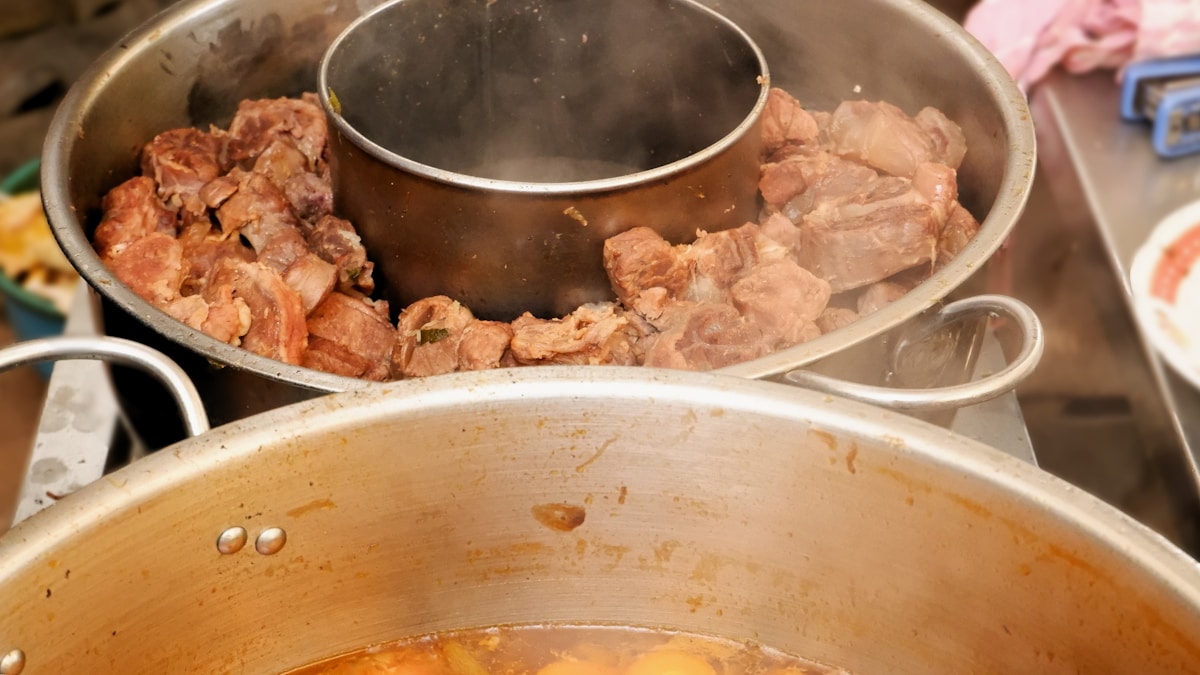
The real mistake most home cooks make is choosing recipes they love at four servings. This choice can lead to discovering that the texture collapses, the timing breaks down, or the budget doubles by the time they hit eight plates.
The three questions every cook should ask before scaling up.
Before committing to any recipe for a crowd, run it through three filters quickly. Does it hold texture when doubled?
Does it require active stirring or constant attention? Does it accommodate one obvious swap for dietary restrictions?
If any answer is no, keep looking. One-pot braises, sheet-pan roasts, and oven-baked casseroles pass all three criteria almost every time.
Budget, Time, and Dietary Needs: Balancing the Big Three
Smart ingredient choices can bring the per-head cost down to $2-$4 per person for a crowd-sized dinner. Legumes, grains, root vegetables, and bone-in proteins stretch the furthest.
For time, prioritize recipes with under 20 minutes of active prep. For dietary flexibility, choose naturally adaptable bases:
- Grain bowls: swap protein for a vegetarian option without rebuilding the dish.
- Sheet-pan meals: isolate allergen ingredients to one corner of the pan.
- Slow-cooker stews: scale from 6 to 10 servings with no technique change.
Quantity estimation matters too. Eight adults typically need 6-8 oz of protein per person, while a mixed group including children often runs closer to 4-5 oz per head.
Build your shopping list around the higher number, then adjust down. Waste costs more than the extra ingredient.
Try it — build your site while you read
Describe what you want and get a live, publishable site in seconds. Free to start, no code.
Join 200,000+ makers building real websites with Kleap.
5 Hearty One-Pot Dinners That Make Feeding 8 Almost Effortless
Cooking for 8 people requires recipes that prioritize simple scaling and minimal active prep time. Below are five battle-tested one-pot dinners that balance affordability, ease of execution, and broad appeal for large groups. They were selected because each scales without multiplying your stress.
Slow-Cooker Beef Chili: the Undisputed Crowd Champion
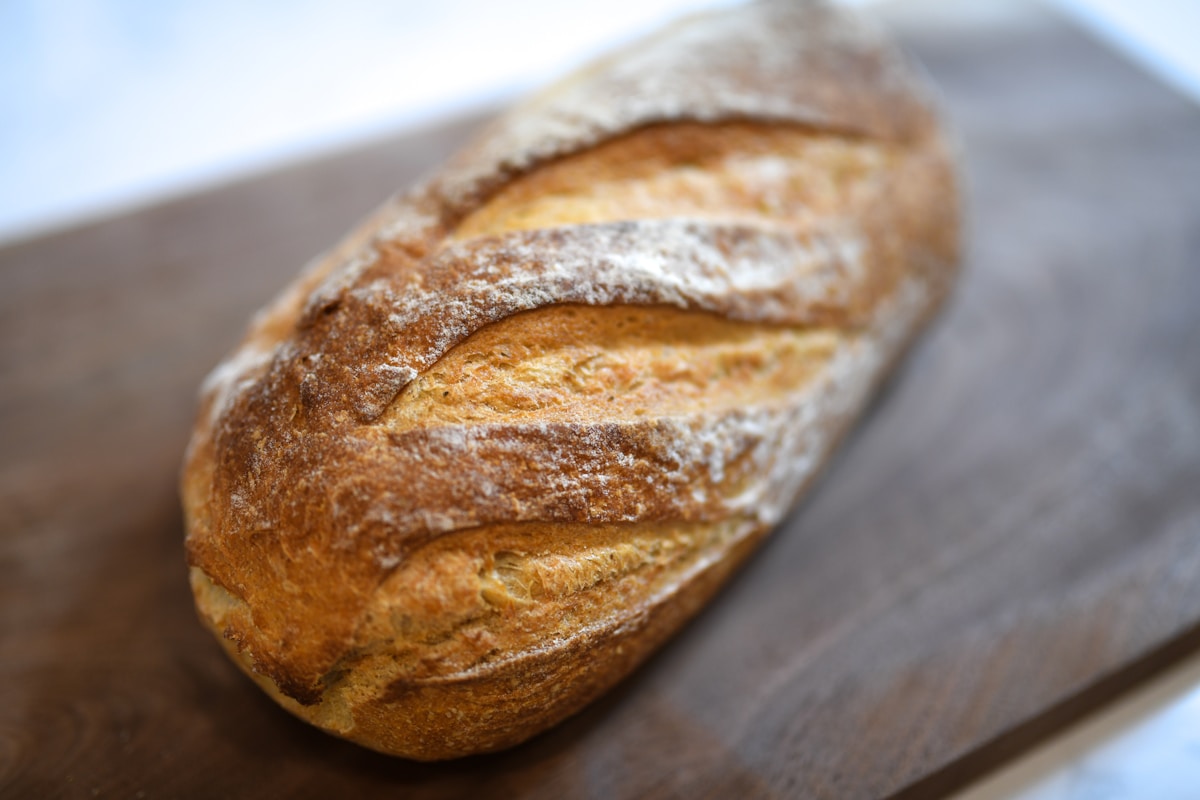
Dump-and-forget is not a metaphor here; it is the actual method. Brown the beef, combine everything in the slow cooker before noon, and dinner is ready by 6 p.m. Without a second glance.
A toppings bar of shredded cheese, sour cream, jalapeños, and diced onion handles every dietary preference at the table. It turns a simple pot into an interactive meal. The cost lands well under $2 per serving when built around canned beans and ground beef, which means a full table eats well for roughly the price of two takeout coffees.
Classic Chicken Cacciatore and Other Braised Favorites
Chicken cacciatore rewards patience over precision. Bone-in thighs braise in tomatoes, olives, and herbs for 45 minutes. This process produces deeply savory Italian flavors that pair well with crusty bread or a pound of penne.
The forgiving cook time, with another 10 minutes changing nothing, makes it ideal when guests arrive late. White chicken chili is the lighter counterpart: creamy, bean-forward, and naturally suited to mixed dietary groups avoiding red meat.
Both dishes actually improve when made the day before because overnight resting deepens the flavors in ways a fresh pot simply cannot match.
Sausage and lentil stew runs roughly $1.50 to $2 per serving, making it the budget powerhouse of this list, about the cost of a single bus fare stretched into a full bowl of protein and fiber. Lentils absorb the smoky sausage fat completely, so the final texture feels far richer than the ingredient list suggests.
Beef and vegetable soup rounds out the five: a modest chuck roast, diced root vegetables, and a long simmer change an inexpensive cut into something deeply satisfying.
- Prep all five dishes the evening before; flavors intensify overnight and active serving-day work drops to reheating only.
- Use a 7-quart or larger vessel; crowding a smaller pot raises moisture and kills browning.
- Label each pot with allergen notes if dietary needs vary across your group
Building reliable systems for large-group hosting follows the same logic as building a digital product quickly: remove every unnecessary step, automate what you can, and focus effort where it counts. If you are curious how that principle applies beyond the kitchen, explore kleap's reputation or check how an AI writing generator for sales emails can cut another repetitive task from your workflow.
Sheet-Pan and Casserole Recipes That Serve a Party of Eight
One pan, one oven, one hour; that's the formula that separates stress-free hosting from kitchen chaos.
Sheet-Pan Chicken Thighs with Roasted Vegetables, Zero Babysitting Required
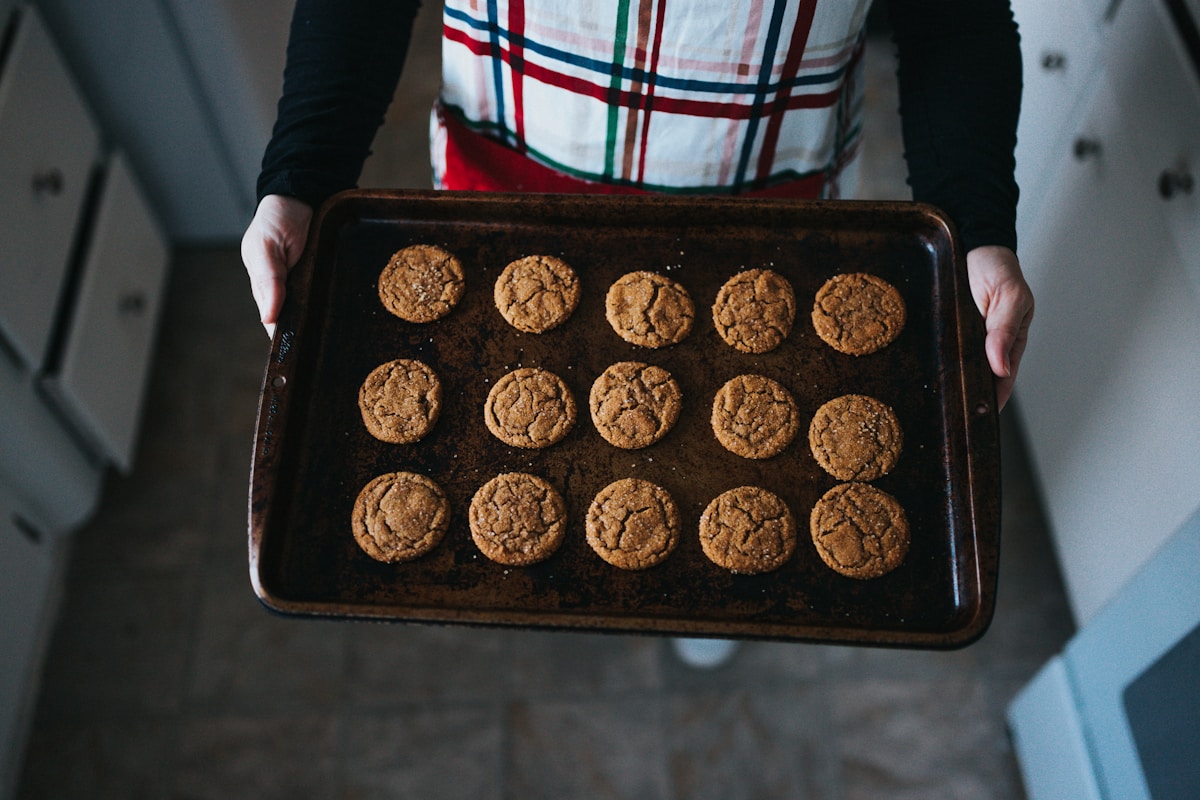
One pan handles everything: bone-in chicken thighs roast at 425°F for roughly 40 minutes alongside whatever vegetables you have on hand. Zucchini, bell peppers, cherry tomatoes, and red onion all work well.
The mechanism is simple: high heat renders the fat from the thighs, which then bastes the vegetables below, concentrating flavor without any extra effort. Scaling for a crowd means using two sheet pans on two oven racks simultaneously, doubling output without doubling your time.
Line both pans with parchment, and cleanup shrinks to almost nothing.
Enchilada Casserole and Lasagna Variations Worth Knowing
Enchilada casserole is a genuine crowd-pleaser because it assembles fully the night before and bakes in under 45 minutes when guests arrive. Layer tortillas, seasoned ground beef or black beans, enchilada sauce, and cheese; repeat twice and refrigerate overnight.
Classic lasagna follows the same logic: the original make-ahead dish for a group of eight. It reheats beautifully and actually improves after a night in the fridge. Baked pasta al forno is a faster variation with shorter assembly but the same satisfying result.
- Use two oven racks simultaneously to cook two casseroles at once.
- Foil on the bottom rack catches drips and cuts washing-up time in half.
- Assemble casseroles up to 24 hours ahead; add 10 minutes to bake time if going straight from cold.
- Rotate pans halfway through baking when using both racks for even browning.
Whether you're hosting a casual weeknight dinner or a weekend gathering, these oven-based formats give you back the time to actually enjoy the table. For anyone building a food or hospitality business around these ideas, top website builders for restaurants is worth a look, and you can also compare AI website builders for ease of use before committing to a platform.
Kleap tip: If you're turning your cooking skills into a catering side business or recipe blog, Kleap's AI builder can take you from idea to live site in under 10 minutes. No coding or design background is needed, and it's free to start.
What Most Cooking Sites Won't Tell You About Scaling Recipes for Large Groups
Doubling a recipe sounds logical, but it almost never works cleanly.
Cooking for 8 people exposes every assumption you've made about how flavors, heat, and timing behave at a small scale. The gaps are costly when you're feeding a crowd.
Why Simply Doubling Ingredients Is a Recipe for Disaster
Salt and bold spices are the first casualties. Scale a dish from 4 to 8 servings, and your instinct says to double everything.
The wrong approach entirely. Use 1.5× for salt, chili, and strong aromatics, then taste and adjust.
Overseasoning a pot that feeds eight is genuinely hard to fix. Acid is your rescue tool here: a squeeze of lemon juice or a splash of vinegar snaps flat-tasting large-batch dishes back to life faster than any additional spice.
Oven dynamics shift completely at scale. Two sheet pans crammed onto one rack trap steam instead of circulating dry heat, turning what should roast into something that steams.
Use separate racks, rotate halfway through, and add 10 to 15 minutes to your expected cook time. Large roasts need at least 20 minutes of resting before carving; skip this and the juices redistribute unevenly, leaving the outer slices dry.
The Salt, Fat, and Seasoning Rules No One Talks About
- Pasta water: A standard home pot is too small for eight portions. Cook in two separate batches or the pasta will clump and starch will cloud the water.
- Fat scales closer to linearly than spice does; don't cut it the same way you cut salt.
- Serving logistics: Set up a buffet-style station before the first guest sits down. A plated service for eight means the last plates are cold before the first are eaten.
The same systems thinking that solves scaling problems in the kitchen applies to digital projects. Kleap's user-friendly website builder applies a similar principle: remove the friction points before they compound at scale, whether you're feeding a crowd or launching a product to one.
Budget-Friendly Global Recipes That Impress Any Table of Eight
Cooking for eight people requires recipes that prioritize simple scaling and minimal active prep time. Below are the best meal ideas that balance affordability, ease of execution, and broad appeal for large groups.
The cuisines that consistently deliver here—Mexican, Mediterranean, and Asian—share one trait: bold seasoning does the heavy lifting, so cheaper ingredients never taste like a compromise.

Mexican, Mediterranean, and Asian Dishes That Stretch Your Dollar
- Chicken shawarma bowls: One sheet pan of bone-in thighs, garlic sauce, and rice feeds a full table for under $25. Pre-marinate overnight; even budget cuts become genuinely tender and complex.
- Black bean and sweet potato tacos: Fully vegetarian, under $15 for eight servings. Beans and roasted sweet potato carry the meal; cumin and smoked paprika do the rest.
- Thai peanut noodles: One of the fastest large-batch options available, under 30 minutes, expandable without any precision, and universally crowd-pleasing.
- Mediterranean baked fish with olives and tomatoes: Affordable white fish fillets baked in a single pan look far more impressive than the price tag suggests. Presentation punches well above its cost.
How to Build a Full Menu Around One Protein
The sharpest move for hosting multiple nights is the "one protein, three meals" strategy. Buy a larger quantity of chicken thighs or ground beef on Sunday: shawarma bowls night one, tacos night two, and a quick noodle stir-fry night three.
Per-serving cost drops significantly when you buy in bulk and rotate preparations rather than starting fresh each evening.
Pre-marinating the night before is the single technique most guides skip. Acid-based marinades—citrus, yogurt, vinegar—genuinely transform inexpensive cuts over 12 hours in ways that a 30-minute soak never replicates.
For a group, that overnight step costs nothing extra and removes day-of pressure entirely.
Your Go-To Dinner Checklist Before You Cook for 8 People
The Pre-Cook Game Plan, Timing, Equipment, and Shopping Strategy
Most dinner disasters happen before anyone touches a pan. A quick equipment audit two days out saves you from discovering mid-cook that your largest baking dish holds six servings instead of eight.
Check your biggest pot, roasting pan, and serving vessels now, not at 6 PM when guests are pulling into the driveway.
Shopping strategy matters more than most cooks admit. Buy proteins and pantry staples two days ahead.
Fresh vegetables go in the cart the day before, not earlier. This split approach keeps produce crisp and eliminates last-minute grocery runs that derail your entire timeline.
What to Do 2 Hours, 1 Hour, and 30 Minutes Before Guests Arrive
The reverse-timeline method is the single most underused planning tool in home cooking. Pick your target serving time, then work backward:
- 2 hours out: Marinated proteins into the oven or slow cooker; sauces and grains batch-cooked and held warm.
- 1 hour out: Set up your buffet layout to avoid bottlenecks; chafing dishes or covered pans keep food at temperature.
- 30 minutes out: Finish garnishes, set out serving utensils, and step away from the stove; active cooking should already be done.
Batch-cooking components in advance is what separates calm hosts from frantic ones. Sauces, grains, and marinated proteins all hold beautifully, freeing your final 30 minutes for presentation rather than panic.
Kleap tip: If hosting groups regularly is sparking a catering idea or recipe blog, Kleap lets you launch a seasoned food site. This site comes complete with menu pages, booking forms, and a custom domain. It is free to start, with Pro plans from $25/month. No coding is required, and you can be live in under 10 minutes.
Frequently Asked Questions
What are the easiest dinners to cook for 8 people on a weeknight?
Sheet pan meals, big pasta bakes, and slow cooker chilis are your best friends here. One vessel, minimal active cooking time, and everything scales up without drama.
Lasagna, chicken thigh traybakes, and taco bars also work brilliantly because guests can serve themselves, which takes pressure off you entirely.
How much food do I need to buy to feed 8 adults for dinner?
For a main protein, plan on roughly 6 to 8 ounces of cooked meat or fish per person, which means buying closer to 5 to 6 pounds raw to account for shrinkage. For pasta dishes, 1 pound of dried pasta feeds about 4 people as a main, so double it.
Side dishes follow the same logic: about half a cup of cooked grains or vegetables per person as a side, one full cup if it's the star of the plate. I've personally seen hosts underestimate salad quantities more than anything else, so buy at least two large heads of lettuce or a full 10-ounce bag of greens per 8 people.
Can I make dinner for 8 people for under $30?
Yes, absolutely, but it requires choosing the right dishes. A big pot of chili with canned beans, ground beef, and pantry spices can feed eight comfortably for well under $30. This depends on current grocery prices in your area.
Pasta with a homemade tomato sauce, baked potato bars, and fried rice with eggs and frozen vegetables are other reliable options that keep costs low without feeling like a compromise. The trick is building around a cheap starch and using protein as a flavor accent rather than the centerpiece.
What dishes can be fully prepped the day before serving to a group?
Lasagna, casseroles, marinated proteins, and most grain salads all improve overnight. Assemble them fully the day before, cover tightly, and refrigerate.
The flavors meld, and you have almost nothing to do on the day itself.
Soups and stews are arguably even better when made ahead. A braised short rib or a hearty minestrone tastes noticeably richer on day two.
Just reheat gently and adjust seasoning before serving, since salt levels can shift after a night in the fridge.
How do I keep food warm for 8 people if not everyone eats at the same time?
Your oven set to 200°F is the most reliable tool you have. Cover dishes loosely with foil to trap steam without drying out the food, and most dishes hold well for 45 minutes to an hour at that temperature.
For soups or saucy dishes, a slow cooker on the 'warm' setting works even better since it maintains moisture. What catches people off guard is how quickly rice and roasted vegetables dry out, so add a small splash of water or broth before covering them if you expect a gap between cooking and serving.
The Real Secret to Cooking for 8 People Has Nothing to Do with Talent
Strategy beats skill every time. The cooks who make feeding a crowd look effortless aren't more gifted; they've simply stopped fighting the math.
Pick your vessel first: one pot, one sheet pan, one casserole dish. Build your recipe around it, not the other way around.
That single decision eliminates most of the chaos before it starts.
The next time you're cooking this option, don't open a dozen tabs. Choose one recipe that scales cleanly, shop once, and trust the oven to do the heavy lifting while you pour the first glass.
If you're a food entrepreneur, caterer, or recipe creator ready to turn that instinct into a real online presence, Kleap lets you build a professional catering site or recipe blog. You can use plain language, with no code, no developer, and no waiting. Start free and go live faster than your next batch of roasted vegetables.
The table's already set. All that's left is showing up.