QR Code Als Marketinginstrument in 2026, From Scan to Measurable Growth

A QR code as a marketing instrument is a machine-readable symbol that connects physical or digital touchpoints, such as packaging, posters, advertisements, or menus, to online content, allowing customers to scan and reach landing pages, product information, promotions, payment forms, or other destinations without typing URLs.
QR codes function as friction-reducing bridges rather than conversion guarantees.
However, the same research also identified operational failures: users encountered unscannable codes, slow-loading pages, and broken links in material proportions. This undermines engagement after the user has already shown intent.
In 2026, effective campaigns depend on matching the destination to the context, testing mobile performance, and using dynamic codes that allow you to change destinations and track activity. GS1's Sunrise 2027 initiative is supporting broader retail adoption of 2D barcodes, including QR codes containing product identifiers and consumer-facing links, by the end of 2027.
The U.S. Federal Trade Commission advises using recognizable domains, clear branding, and HTTPS to reduce phishing risks. Users cannot see the destination merely by looking at the code pattern.
Why QR Codes Are Becoming Essential Marketing Bridges
QR codes reduce the gap between seeing a message and acting on it. A customer scans packaging, a poster, or a receipt and arrives at a product page, discount, form, or payment screen without typing a URL or searching.
That speed matters when attention is short and the next step needs to be obvious.

Survey data supports interest but not guaranteed outcomes. According to a 2026 survey of 1,000 U.S. consumers and 524 U.S. businesses,
However, that evidence comes from a platform with a stake in QR-code adoption, so treat it as indicative rather than universal.
Context determines effectiveness. Marketers report using codes across social media, printed materials, and packaging, with analytics as a priority.
Yet the same survey does not establish that QR codes independently cause higher conversion. Performance depends on relevance, visibility, trust, mobile usability, and what happens after the scan.
A clear offer on clean packaging works; a poorly placed code leading to a broken page does not.
Retail infrastructure is adapting. GS1 US's Sunrise 2027 initiative aims for point-of-sale systems to process two-dimensional barcodes by the end of 2027, expanding their role beyond marketing into product identification and supply-chain tracking.
Try it — build your site while you read
Describe what you want and get a live, publishable site in seconds. Free to start, no code.
Join 200,000+ makers building real websites with Kleap.
Static or Dynamic QR Codes: Which Campaign Model Wins?
A static QR code contains a fixed destination and cannot be changed after publication. The URL, text, or contact information is encoded directly in the pattern itself.
Once printed on packaging, posters, or business cards, that destination remains permanent. Use static codes when the linked resource will not change, such as product manuals, unchanging contact details, or evergreen content pages.

A dynamic code redirects through a managed URL, allowing the destination, campaign parameters, and reporting configuration to be changed later. The printed pattern stays the same, but the redirect service can point users to updated landing pages, seasonal offers, or region-specific content without reprinting materials.
This flexibility makes dynamic codes practical for ongoing campaigns, A/B testing, and performance tracking.
The Fixed Destination of Static Codes
Static codes carry operational risk when printed at scale. If the destination URL changes, becomes unavailable, or requires security updates, every printed code becomes obsolete.
However, they do not require ongoing service fees, depend on a third-party platform, or introduce redirect latency. They suit permanent applications where the destination is stable and campaign adjustments are unnecessary.
Why Dynamic Links Matter After Publication
Dynamic functionality depends on the reliability and governance of the redirecting service. Before printing materials, decide who owns the redirect domain, how the URL is structured, who has access permissions, and what happens if the service is discontinued.
GS1 describes QR codes containing GS1 Web URIs as capable of linking consumers to product information, promotions, competitions, and other services while retaining product-identification data. This makes them particularly relevant when one code must serve multiple purposes over time.
Use dynamic codes when campaigns may need revised offers, refreshed landing pages, audience-specific destinations, or ongoing performance analysis. Neither model universally wins; the right choice depends on whether post-publication flexibility justifies the added complexity and dependency on redirect infrastructure.
Five Marketing Use Cases That Turn Scans Into Intent
QR codes function as conversion infrastructure when the physical placement, mobile destination, and expected action align. The strongest applications connect a specific offline exposure to a focused next step rather than a generic homepage or multistep process.
Packaging, Retail, and Product Education
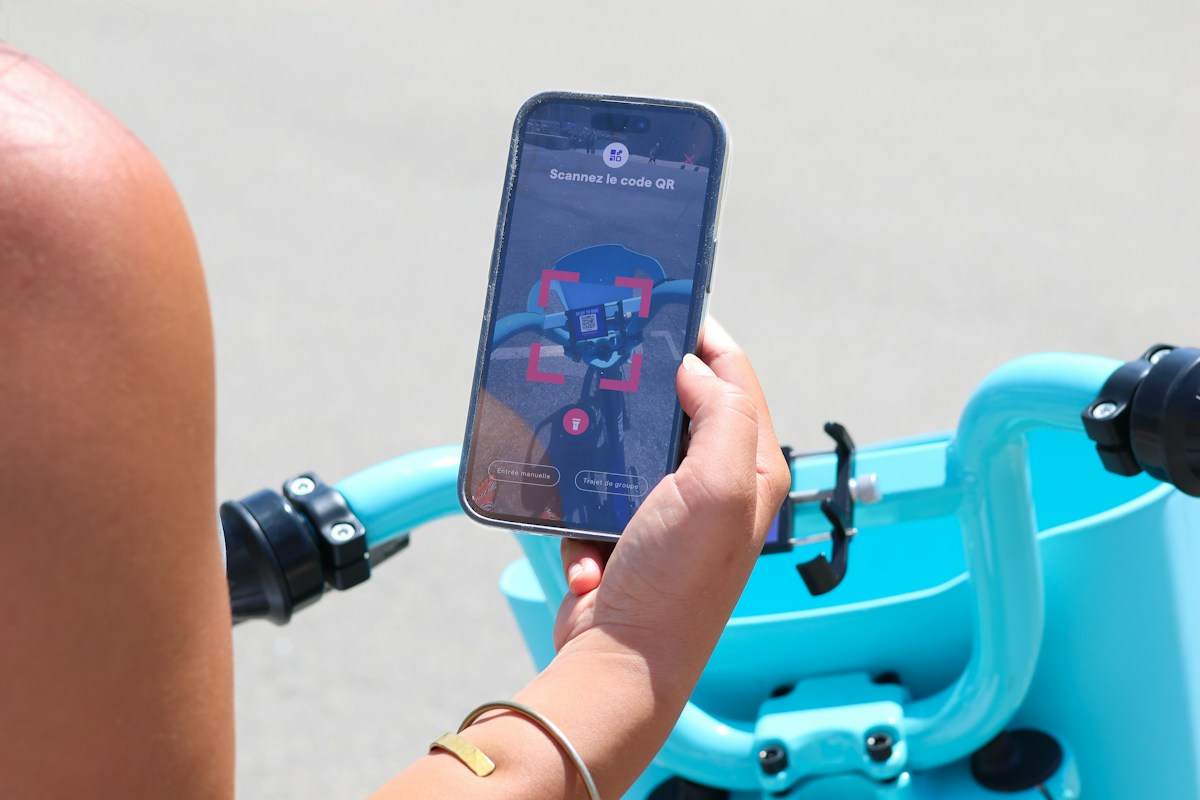
Product packaging can connect customers to additional information without requiring expanded label space. GS1 describes applications spanning product information, user manuals, campaigns, warranty registration, traceability, reviews, surveys, and other customer-facing content.
A GS1 Digital Link QR code connects a product identifier, typically a GTIN, to web-based product information, allowing the same printed code to support product information, instructions, promotions, reviews, recipes, traceability, or warranty registration while the linked content changes over time.
Retail displays and point-of-sale materials can direct shoppers to product comparisons, mobile-friendly offers, or inventory-related information.
These figures reflect stated preferences in a survey context rather than measured purchase behavior, but they indicate receptiveness when the code provides relevant detail.
Promotions, Events, and Lead Capture
A local business can use a printed poster to send prospective customers to a focused landing page rather than a homepage, reducing the steps between exposure and action.
Event organizers can use codes for registration, gated content, or lead capture when the form is short and mobile-optimized. E-commerce businesses can connect inserts or receipts to replenishment information, support content, or a relevant next action, turning a post-purchase touchpoint into ongoing engagement.
Pro tip: Match the code's destination to the specific context and customer intent at the moment of scan, and ensure the linked page loads quickly on mobile devices.
How to Build a QR Campaign People Actually Complete
A complete QR campaign requires intentional design at three levels: the physical code placement, the mobile destination, and the action itself. Start by defining one measurable outcome, claiming a discount, accessing product specifications, registering a warranty, or submitting a lead form.
The clarity of this single goal determines how many users follow through after scanning.
Make the Scan Worth the Effort
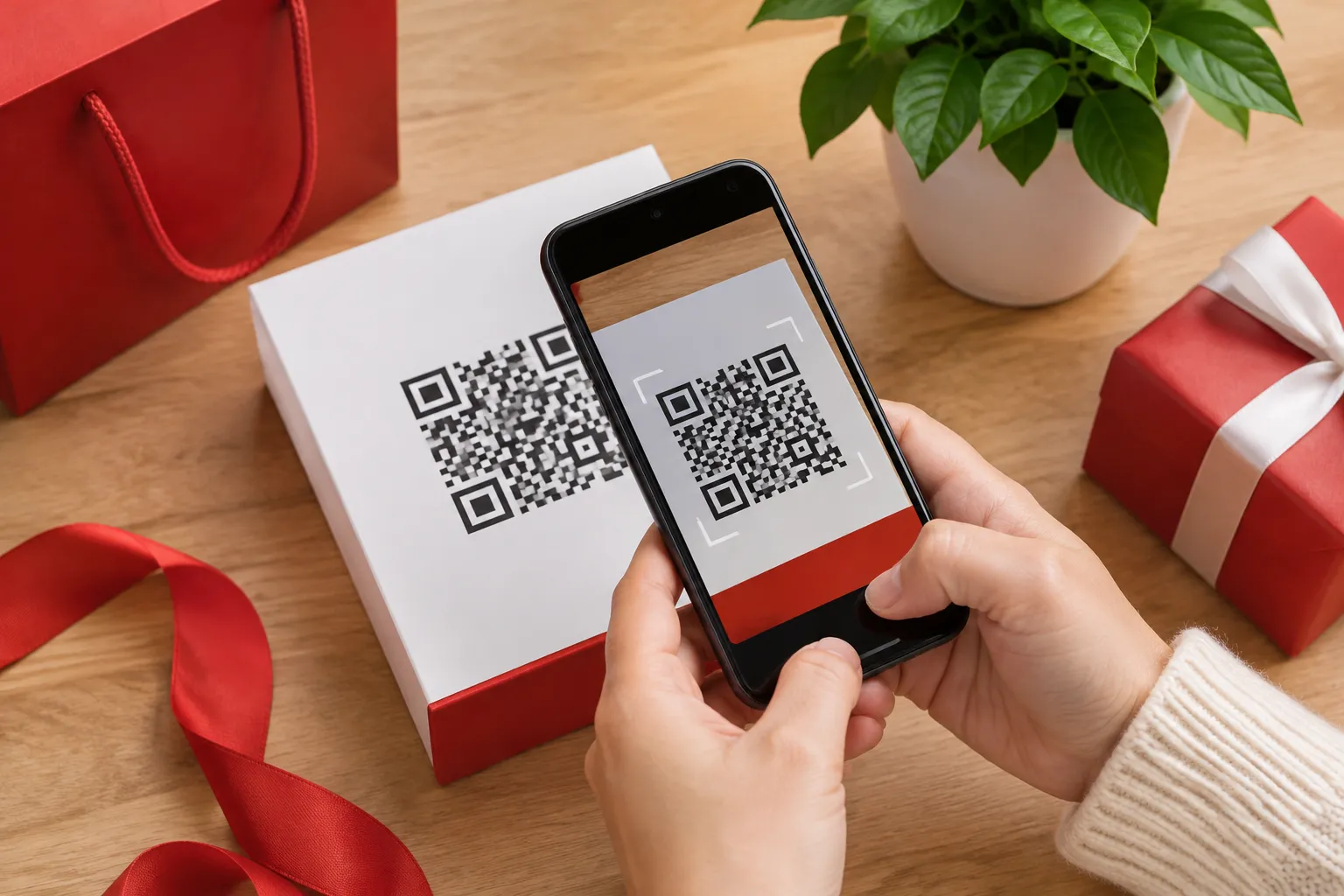
Pair the code with a visible call to action that states the benefit before the scan. A pattern alone communicates nothing about the destination or value.
Use a recognizable domain and consistent branding. The U.S.
Federal Trade Commission advises consumers to inspect the URL before opening it and warns that criminals may replace legitimate codes, including codes displayed in public locations. A trustworthy campaign should use HTTPS and a destination that clearly matches the stated purpose to reduce abandonment driven by security concerns.
Design the Mobile Landing Experience
Send users to a mobile-first page that loads quickly, delivers the promised content immediately, and makes the next action obvious. Minimize form fields, eliminate navigation distractions, and ensure the page matches the printed message.
If the code promises product information, the landing page should show product information, not a homepage, signup gate, or unrelated offer.
Test the complete path on multiple devices, screen sizes, lighting conditions, and network speeds before printing or launching. Check that the code scans reliably at the intended physical size, that the destination renders correctly on both iOS and Android, and that form submissions complete without errors.
When a campaign requires a rapidly deployed landing page or digital experience, Kleap's AI website and app builder can generate a focused destination without manual coding, allowing you to iterate quickly based on early scan data.
Use sufficient color contrast, provide alternative access methods for users who cannot scan, and state clearly how submitted data will be used.
What the Scan Does Not Tell You About Campaign Results
A scan indicates reach, not intent. Recording that a code was read does not measure whether the visitor engaged with the destination, completed the desired action, or found the content relevant.
A properly configured QR campaign can measure scans, visits, device type, location, landing-page engagement, form completions, purchases, or coupon redemptions, but these metrics require active instrumentation beyond the scan event itself.
Track the Full Path to Conversion
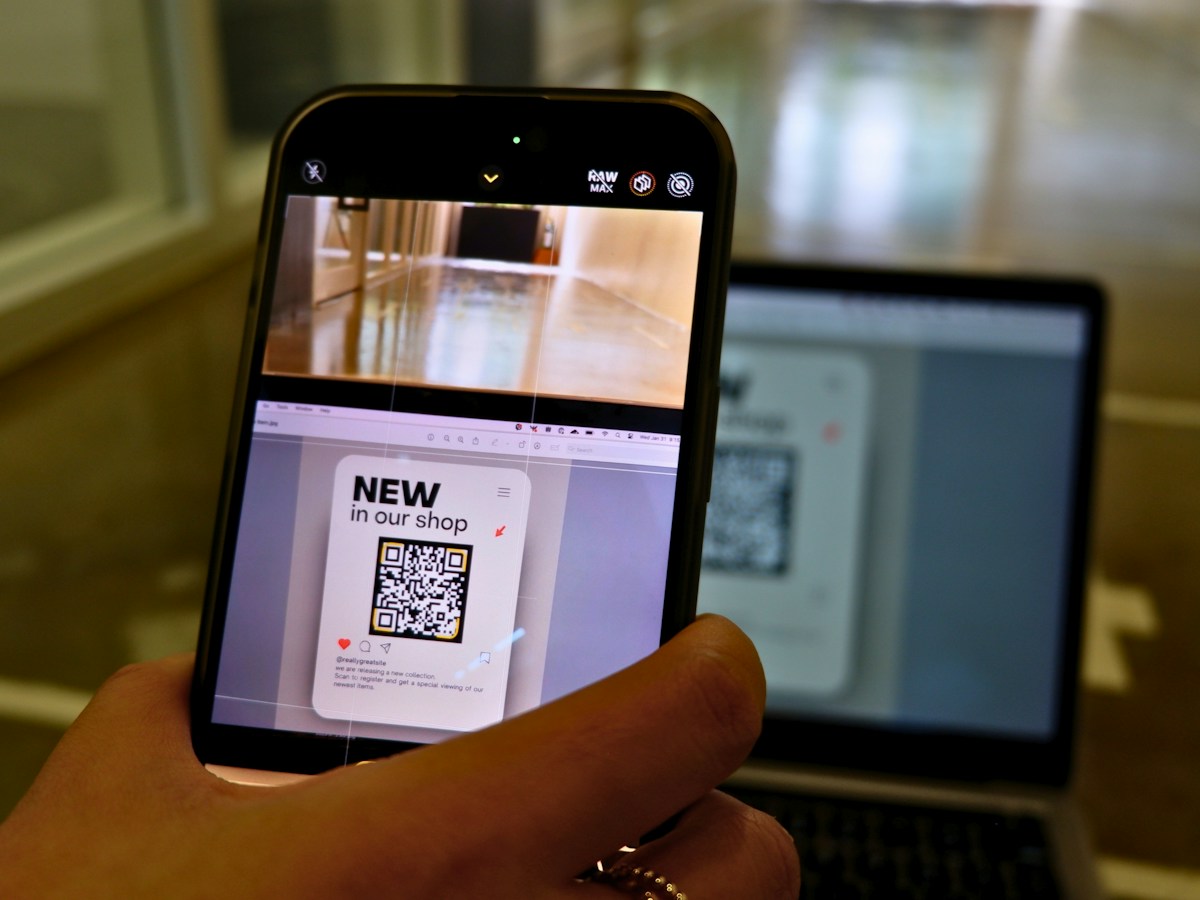
Use unique campaign URLs or parameters by placement, creative, channel, or location to distinguish performance across contexts. Compare scans with downstream actions such as offer claims, registrations, or purchases rather than treating every scan as a successful outcome.
Review results by context, packaging versus posters, retail versus event materials, because intent and scanning conditions differ. A code on product packaging serves product-information needs; a code on an event poster drives time-sensitive registrations.
Measurement frameworks should reflect these distinctions.
GS1 specifically notes that QR-based consumer interactions can be measured and used to improve targeting and campaign adjustment. However, industry-reported statistics often combine different definitions of engagement, scan, and conversion.
Claims such as "QR codes generate three to four times more engagement" should not be treated as universal benchmarks without checking the underlying methodology and comparison population.
Avoid Security and Attribution Blind Spots
QR codes can create phishing and malware risks because users cannot see the destination merely by looking at the pattern. A marketing campaign should therefore use a recognizable domain, clear branding, HTTPS, and a destination that matches the stated purpose.
The U.S. Federal Trade Commission warns that criminals may replace legitimate codes in public locations, so campaigns using physical placements should include access controls and a process for replacing compromised or outdated materials.
Treat analytics data from platform-sponsored surveys as directional and avoid generalizing U.S. findings to every audience or market.
Frequently Asked Questions About QR Codes in Marketing
What is a QR code used for in marketing?
A QR code connects a physical or digital touchpoint to a specific online action or resource. In marketing, this typically means directing customers to product information, promotional offers, registration forms, payment pages, or competitions.
According to GS1 standards, QR codes containing Web URIs can link consumers to promotions, product details, and services while retaining product-identification data. The same infrastructure supports uses beyond consumer engagement, including logistics, authentication, and point-of-sale processes.
Are static or dynamic QR codes better for campaigns?
Static codes suit stable destinations where the URL will not change, such as a permanent product page or company website. Dynamic codes offer more flexibility because you can update the destination, redirect users, and collect reporting data without reprinting the code.
However, dynamic codes depend on the reliability of the management service. If the service experiences downtime or discontinues support, the code may stop working.
Choose based on whether you need to update the destination or track detailed analytics.
What should a QR code link to?
Link to a fast, mobile-friendly page that directly fulfills the promise made beside the code. If the code advertises a discount, the landing page should present that discount immediately.
If it offers product details, show the relevant specifications and images without additional navigation. The destination should present one clear next action, whether that is adding an item to a cart, submitting a form, or downloading a resource.
Avoid generic homepages that require users to search for the advertised content.
How do marketers measure QR code campaign success?
Track scans alongside website visits and downstream outcomes such as form submissions, purchases, or registrations. Use distinct campaign links or URL parameters for each placement so you can compare performance by location, material, or objective.
A 2026 survey of U.S.-based marketers reported that analytics was a major area of interest when using QR codes across social media, digital advertising, printed materials, and packaging. Measuring success requires connecting scan data to the specific business outcome the campaign was designed to achieve, not just counting scans in isolation.
Where should a QR code be placed for easier scanning?
Place the code in a visible, scannable location with sufficient contrast, physical size, and space around the pattern. Ensure the surface is flat or only slightly curved, and position the code at a comfortable scanning height.
Include nearby instructions that explain the benefit of scanning, such as "Scan to claim your discount" or "Scan for product details." Avoid placing codes on moving objects, reflective surfaces, or locations where lighting is poor. The code should be large enough to scan from the expected distance, typically at least one inch square for close-range use.
Are QR codes safe for customers to use?
QR codes can carry security risks because the destination URL is not visible from the pattern itself. The U.S.
Federal Trade Commission warns that criminals may replace legitimate codes, including those displayed in public locations, to direct users to phishing sites or malware. Users should inspect the URL before opening it and verify that it matches the stated purpose and a recognizable domain.
As a campaign owner, use HTTPS, clear branding, and a destination that aligns with the advertised benefit. Avoid shortening the URL so aggressively that users cannot identify the domain.
Monitor your branded destinations for unauthorized changes or tampering.
From Pattern to Performance
QR codes work as marketing infrastructure when placement, destination, and expected action align. The scans recorded do not measure intent or completion on their own.
Track downstream actions, form submissions, purchases, registrations, rather than treating every scan as a conversion. Use recognizable domains, clear calls to action, and mobile-optimized destinations to reduce drop-off between the scan and the outcome you need.
Kleap's AI builder lets you connect QR campaigns to landing pages, product pages, or forms without writing code. Build the destination, test the flow, and measure what happens after the scan.