Breakfast Fuels Your Day, science, Culture, and Smart Morning
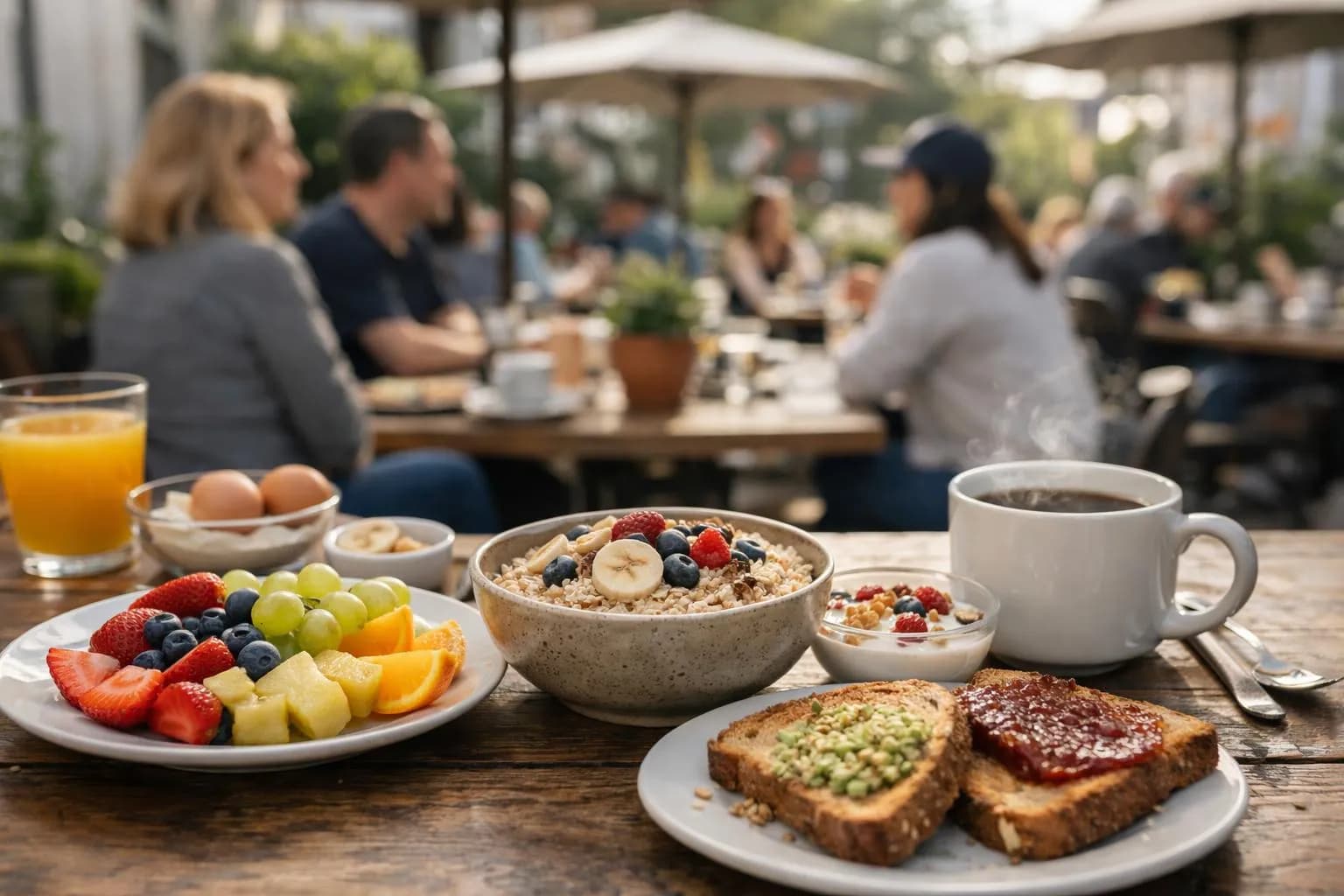
Breakfast is the first meal eaten after an overnight fast, typically consumed within 2-3 hours of waking, providing must-have nutrients and energy to start your day.
- Eating within 1-2 hours of waking helps stabilize blood sugar and boost metabolism
- Choose protein-rich foods (eggs, yogurt, nuts) to maintain satiety until lunch
- Regular morning meals support better concentration, mood stability, and long-term weight management
Skip breakfast and watch your productivity nosedive by mid-morning. Yet millions do it daily, convinced they're saving time or calories.
For entrepreneurs racing against deadlines, developers debugging at dawn, and marketing teams strategizing campaigns, the morning meal determines cognitive performance. Breakfast isn't just fuel (though that matters), especially when paired with a mate or coffee to boost your focus further.
It's a lever for sustained focus, creative problem-solving, and energy management across demanding workdays.
We'll examine why breakfast sparks endless nutrition debates, unpack the physiological mechanisms behind morning hunger, and reveal what registered dietitians actually eat themselves. You'll discover cultural rituals from Tokyo to Istanbul that challenge Western breakfast norms, learn whether skipping truly sabotages metabolism, and get answers to timing questions that confuse even health-conscious professionals.
The goal? Practical strategies for designing a morning routine that aligns with your schedule, biology, and performance goals.
Key takeaways
- The breakfast debate among nutritionists actually stems from something pretty simple.
- Your body operates like a high, performance engine.
- Ever wonder why some breakfasts leave you sluggish by 10 a.
- Ever wonder why breakfast advice feels so absolute?
- Ever notice how Western culture treats breakfast like a sugar, loaded sprint?
Why Breakfast Remains the Most Debated Meal of the Day
The breakfast debate among nutritionists actually stems from something pretty simple. The word means breaking your overnight fast, a practice that goes back thousands of years.
What used to be common sense has become seriously controversial in scientific circles. Some experts say it jumpstarts your metabolism and keeps you energized.
Others argue it's just cultural habit with no real biological need behind it. (Voir aussi : documented across civilizations)
From Ancient Rituals to Modern Routines
Medieval Europeans didn't eat much after waking up, and workers often waited until noon. Then the Industrial Revolution flipped the script entirely.
Factory shifts required set meal times, and cereal companies basically sold everyone on the idea that breakfast was non-negotiable. By the 1900s, flexible eating patterns turned into strict rules.
These days, breakfast usually happens between 6 AM and 10 AM, but intermittent fasting is now questioning even that norm.
The Breakfast Controversy in Nutritional Science
Here's where it gets messy. Recent studies suggest skipping breakfast might not doom your metabolism after all.
The "most important meal" narrative? Partly constructed by food industry interests.
Still, context matters, athletes and growing children show different needs than sedentary adults. The real question isn't whether breakfast is universally essential, but whether your body signals hunger in those morning hours.
Try it — build your site while you read
Describe what you want and get a live, publishable site in seconds. Free to start, no code.
Join 200,000+ makers building real websites with Kleap.
5 Science-Backed Reasons Your Body Needs Morning Fuel
Your body operates like a high-performance engine. After 8-12 hours without food, glucose reserves plummet, and cellular processes slow dramatically.
Research shows that eating breakfast triggers metabolic activation, jumpstarting glucose regulation and energy production throughout your body. When you skip this critical meal, your metabolism basically idles in low gear, forcing your brain and muscles to operate on fumes.
This isn't just about feeling hungry, it's about fundamental biological processes that determine how effectively you function all day.
Brain Power and Productivity Gains
Your brain burns about 20% of your body's total energy, even though it's just 2% of your weight. Research shows that eating breakfast strengthens memory, extends focus, and improves test scores across all ages.
Kids who have breakfast consistently score higher on standardized tests, and adults perform noticeably better on demanding tasks. This mental edge comes from steady glucose flowing to your neurons, which need constant fuel to keep electrical signals running.
According to cognitive science research, even small drops in glucose can mess with your decision-making and slow your reaction times.
The Nutrient Density Advantage
People who eat breakfast get way more fiber, vitamins, and minerals than those who skip it. Regular morning eaters show fewer nutrient gaps across the board.
This matters because loading up on nutrition early creates a foundation that's tough to make up for later. Just like AI website builders for local businesses build solid digital foundations from the start, your body benefits from kickstarting nutritional momentum each morning.
Plus, proper morning nutrition prevents afternoon overeating by keeping appetite hormones like ghrelin and leptin in check. Long-term heart health studies connect consistent breakfast habits with lower disease risk. Which is a pretty powerful reason to make this meal count, similar to how restaurant website builder comparisons drive lasting digital success.
What Nutritionists Recommend
Ever wonder why some breakfasts leave you sluggish by 10 a.m.? The secret lies in balancing three key macronutrients.
Nutrition experts from Mayo Clinic emphasize that protein, healthy fats, and carbohydrates work together to fuel sustained energy, sharp focus, and long-term metabolic health. Skip one, and you're setting yourself up for mid-morning crashes or overeating later in the day.
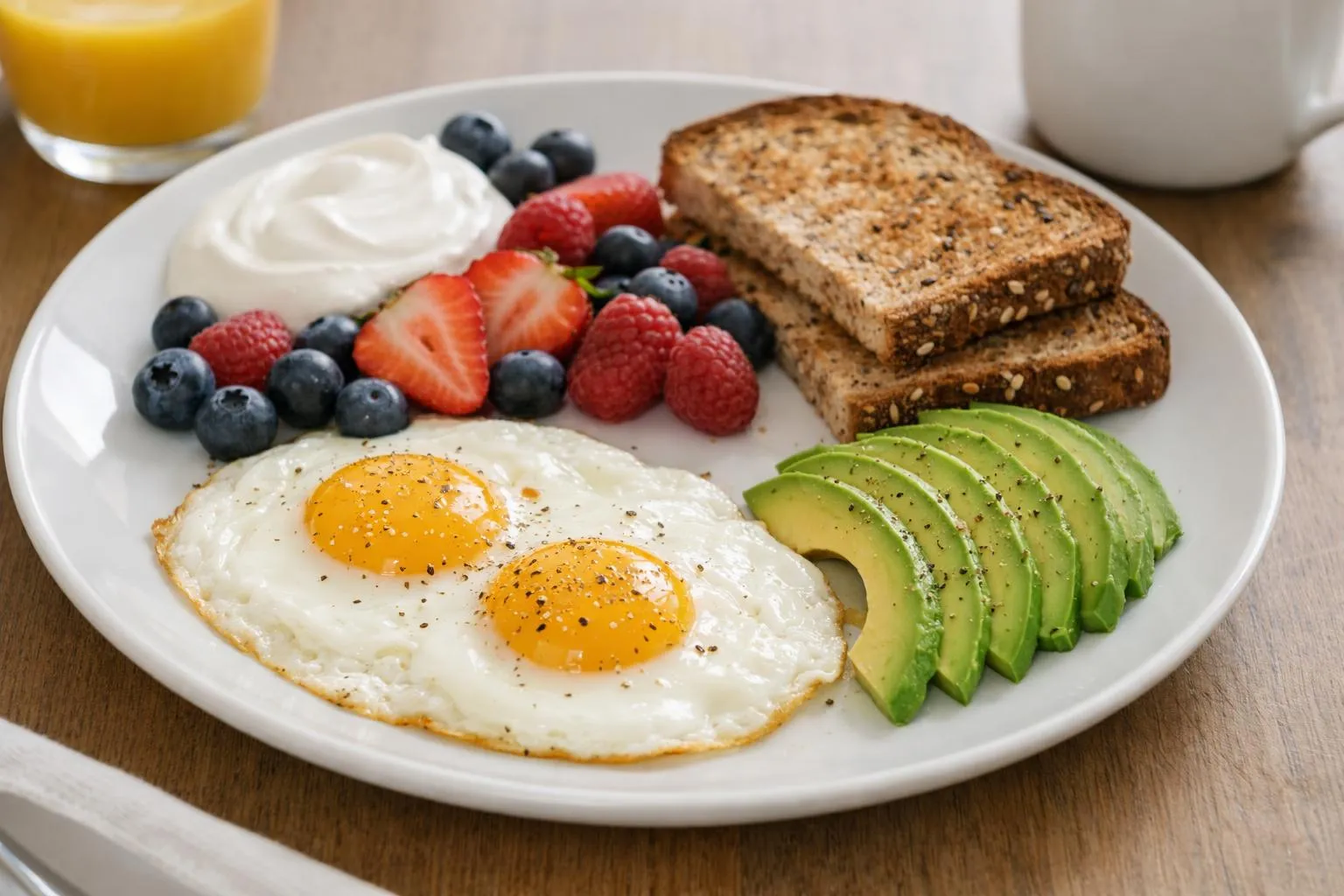
The Macronutrient Formula for Morning Energy
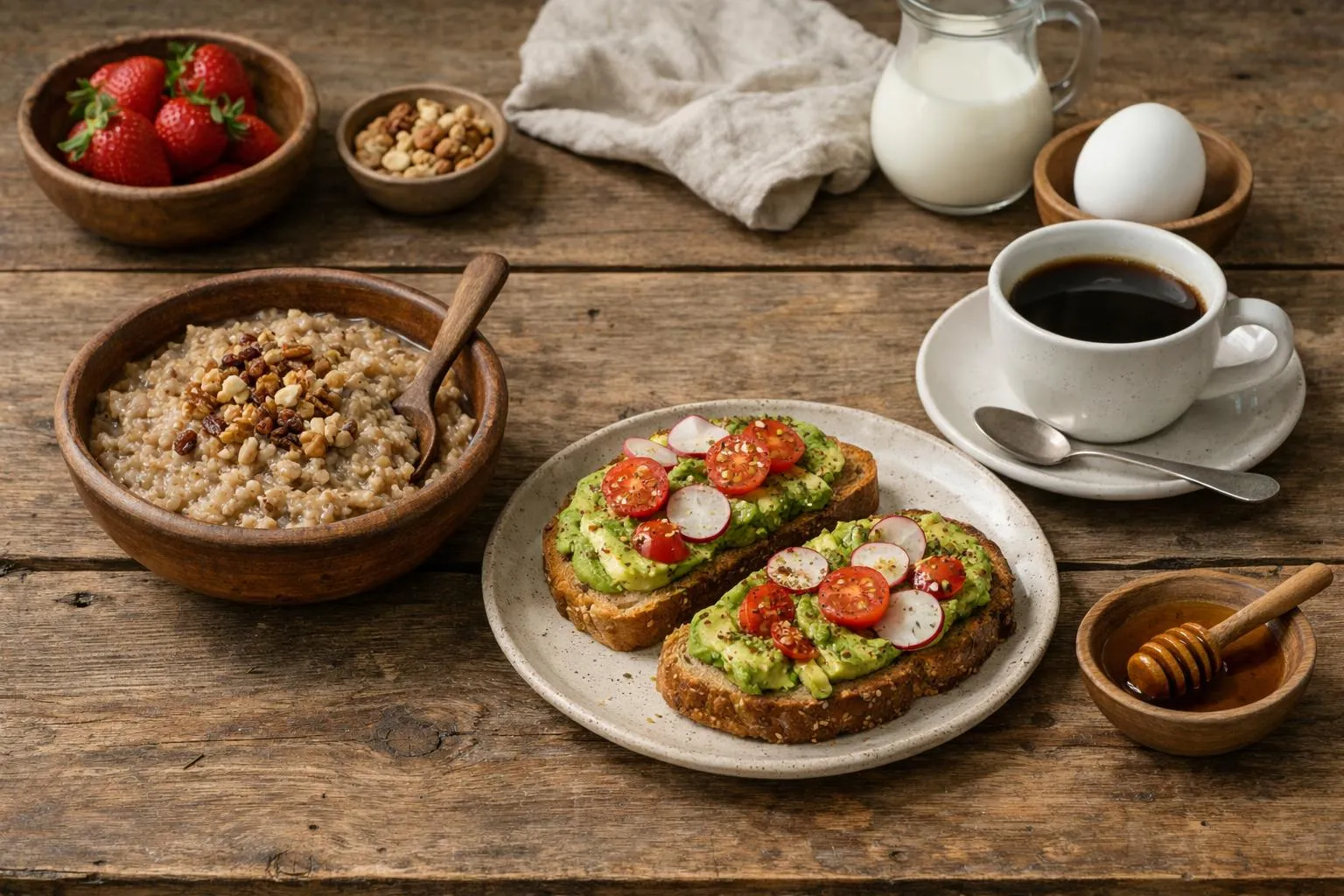
Building a breakfast that works requires understanding how each macronutrient contributes to your morning performance. Protein supports muscle repair and keeps hunger at bay for hours (think eggs, Greek yogurt, or nut butter).
Healthy fats from sources like avocado or nuts slow digestion and stabilize blood sugar. Carbohydrates from whole grains or fruit provide immediate fuel for your brain and body.
The magic happens when you combine all three on one plate, creating a synergistic effect that prevents the energy rollercoaster many people experience after carb-only meals.
Fiber deserves special attention. Found in oats, berries, and whole grains, it supports digestive health and extends satiety well into lunchtime.
Many breakfast mistakes stem from ignoring this crucial component, white bread, sugary cereals, and pastries offer quick energy but leave your stomach growling within an hour.
Timing Your First Meal for Maximum Benefit
Timing your meals matters nearly as much as what's on your plate. Most nutrition experts recommend eating breakfast within two hours of waking up to kickstart metabolism and stabilize blood sugar levels after fasting overnight. If you exercise in the morning, try finding the best time to exercise based on your goals, followed by a more substantial post-workout meal to improve both performance and recovery.
Just like choosing an affordable website builder for startups requires strategic timing for business growth. Aligning your breakfast schedule with your body's natural rhythms can upgrade your overall wellness. Kleap tip: Just as efficient website building tools clean up complex processes, meal-prepping breakfast components on Sunday, think hard-boiled eggs.
Overnight oats, pre-portioned nuts, simplifies morning nutrition without sacrificing quality.
What Nutritionists Won't Tell You About Skipping Breakfast
Ever wonder why breakfast advice feels so absolute? The truth is more fine than most health professionals let on.
Our bodies don't operate on universal meal schedules, and emerging research challenges the "breakfast is non-negotiable" narrative that's dominated nutrition guidance for decades. What works brilliantly for one person might sabotage another's energy levels entirely.

Individual chronotypes play a massive role here. Night owls forcing down eggs at 6 AM aren't doing themselves favors.
Some people genuinely perform better with their first meal around noon, particularly those with delayed circadian rhythms. Intermittent fasting studies show metabolic benefits for certain individuals, contradicting traditional breakfast necessity claims. (And yes, this applies even when your grandmother insists otherwise.)
The Hidden History of Breakfast Marketing
The cereal industry invested heavily in positioning breakfast as "the most important meal" during the early 1900s. Breakfast cereal manufacturers shaped nutritional messaging for commercial reasons, not purely scientific ones. This historical influence persists in modern dietary guidelines, creating cultural bias that doesn't account for global meal patterns or individual variation.
When Breakfast Skipping Makes Sense
Strategic meal timing can support your specific health goals effectively. Here are scenarios where skipping breakfast might align with your objectives: Just like selecting the right approach for how to design professional website without coding.
- Extended overnight fasting periods for metabolic flexibility
- Reduced overall calorie intake without deprivation psychology
- Sharpen focus during morning work hours for some cognitive profiles
- Alignment with natural hunger cues rather than clock-watching
Nutrition requires personalized strategies instead of universal rules. Your body's signals matter way more than catchy marketing slogans.
7 Cultural Traditions That Redefine Morning Meals de Breakfast Around the World
Ever notice how Western culture treats breakfast like a sugar-loaded sprint? Most global traditions take the opposite route.
Japanese mornings start with grilled fish, steamed rice, miso soup, and pickled vegetables, a nutrient-dense approach that balances protein, fermented foods, and complex carbohydrates. This isn't just tradition.
It's physiology. Japanese cuisine demonstrates how savory morning meals stabilize blood sugar without the 10 a.m. crash.

Middle Eastern mezze culture flips the script entirely. Breakfast spreads feature labneh, hummus, olive oil, cucumbers, tomatoes, and za'atar, essentially vegetables and protein with minimal processing.
Latin America goes hearty: huevos rancheros in Mexico, arepas in Colombia, medialunas in Argentina. Each region adapts to local ingredients while prioritizing satiety over convenience.
Savory Over Sweet d'Asian Morning Rituals
South Asian breakfasts show incredible variety across regions. Tamil Nadu serves dosa, which is fermented and protein-packed when you pair it with lentil-based sides.
Paratha in Punjab. Idli in Kerala.
East Africa follows similar thinking with injera and stews. The fermented teff grain provides resistant starch while chickpea or meat stews give you sustained energy.
Continental Europe takes a different route with smaller portions, higher quality ingredients, and less processed sugar.
What Global Traditions Teach About Breakfast Diversity
These patterns reveal a counter-narrative to industrial breakfast marketing. Notice what's consistent across cultures:
- Protein at every meal (eggs, fish, legumes, dairy)
- Fermented foods for gut health (miso, yogurt, injera, idli)
- Vegetables included without question
- Minimal added sugars or refined grains
Mayo Clinic research confirms what these traditions already knew: breakfast composition matters more than timing. The takeaway?
Your morning meal doesn't need to follow Western convention, it needs to match your body's actual nutritional requirements.
Common Questions About Breakfast Timing, Choices, and Health
Is breakfast truly the most important meal? The answer depends.
Nutrition experts from Mayo Clinic emphasize that a balanced breakfast with protein, healthy fats, and carbohydrates supports sustained energy and prevents mid-morning crashes. Yet skipping breakfast doesn't automatically derail your health if you maintain proper nutrition throughout the day.
What matters more is consistency with your body's natural hunger cues.
Timing and Health Questions Answered
How soon after waking should you eat? Most people benefit from eating within two hours of rising, though some thrive on delayed schedules.
Coffee alone doesn't constitute breakfast, it lacks the nutrients your body needs for fuel. Weight loss through breakfast skipping works for some individuals but fails for others who end up overeating later.
The key lies in total daily calorie intake rather than meal timing alone.
Practical Breakfast Dilemmas Solved
Quick options for busy mornings include:
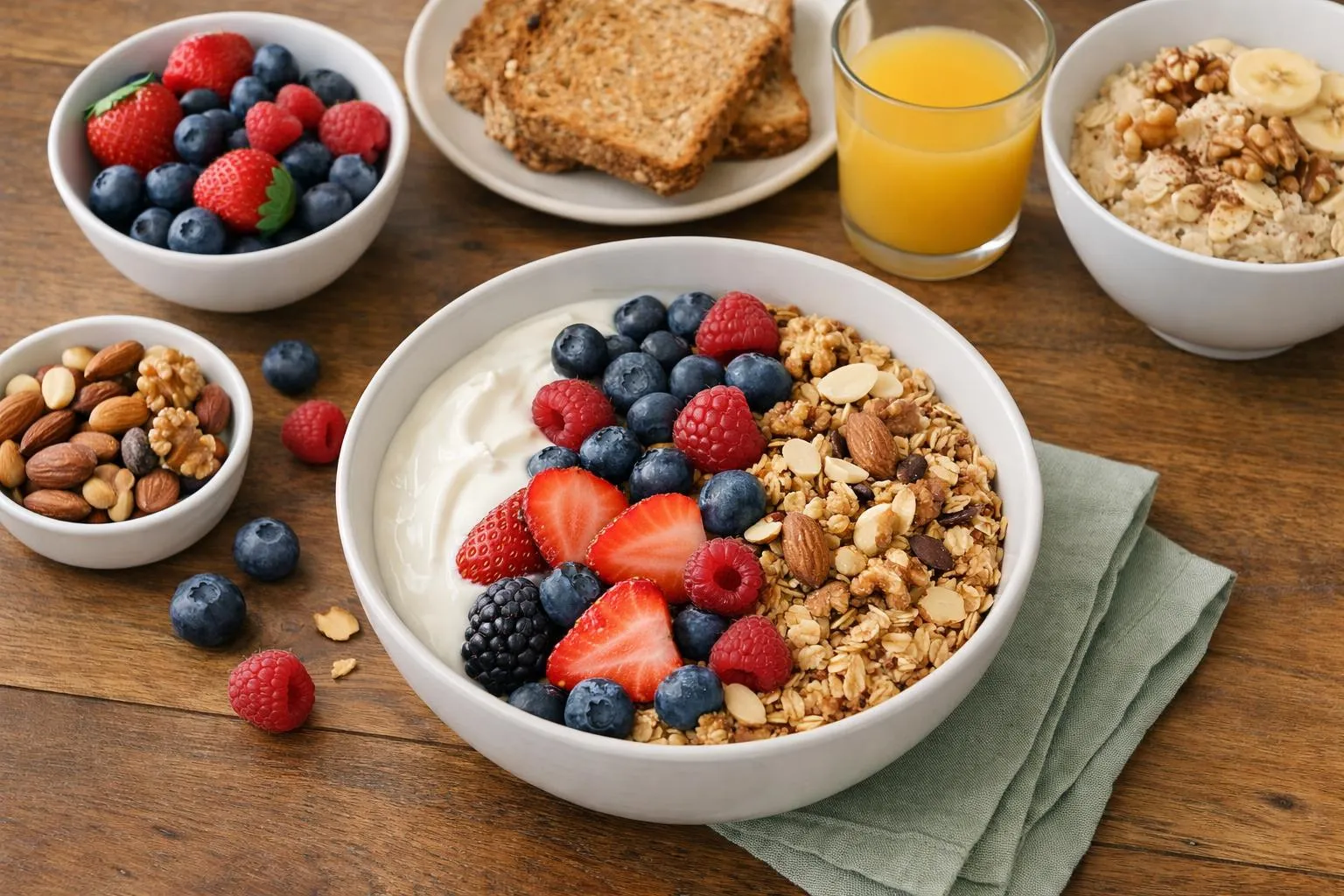
- Greek yogurt with berries and nuts
- Whole grain toast with nut butter
- Overnight oats prepared the night before
- Hard-boiled eggs with fruit
Kleap tip: Build your morning routine like we build websites, with efficient systems. Prepare breakfast components in advance so you're never choosing between nutrition and time, just like our AI clean up development workflows without sacrificing quality.
Your Morning, Your Rules: The Breakfast Blueprint That Works for You
Breakfast isn't about rigid rules or corporate-funded nutrition myths. It's about understanding your body's signals and designing a morning routine that fits your life.
The science is clear: for most people, eating within a few hours of waking stabilizes blood sugar and sharpens cognitive performance. But the exact timing?
That's yours to experiment with.
Start small. Tomorrow morning, pay attention to your hunger cues instead of defaulting to habit.
Try one protein-rich option this week and notice how your energy shifts by 11 AM.
Just like breakfast isn't one-size-fits-all, neither is building your digital presence. At Kleap, we've designed an AI-powered platform that adapts to your specific business needs, not the other way around.
Whether you need a sleek portfolio site or a full application, our tools let you create exactly what works for you, fast.
Curious how customizable web development looks? Explore Kleap's intuitive builder and see how quickly you can launch a site that reflects your unique approach, no cookie-cutter templates required.
Your mornings deserve better than autopilot. So does your online presence.