Top 4 Restaurant Website Platforms Compared
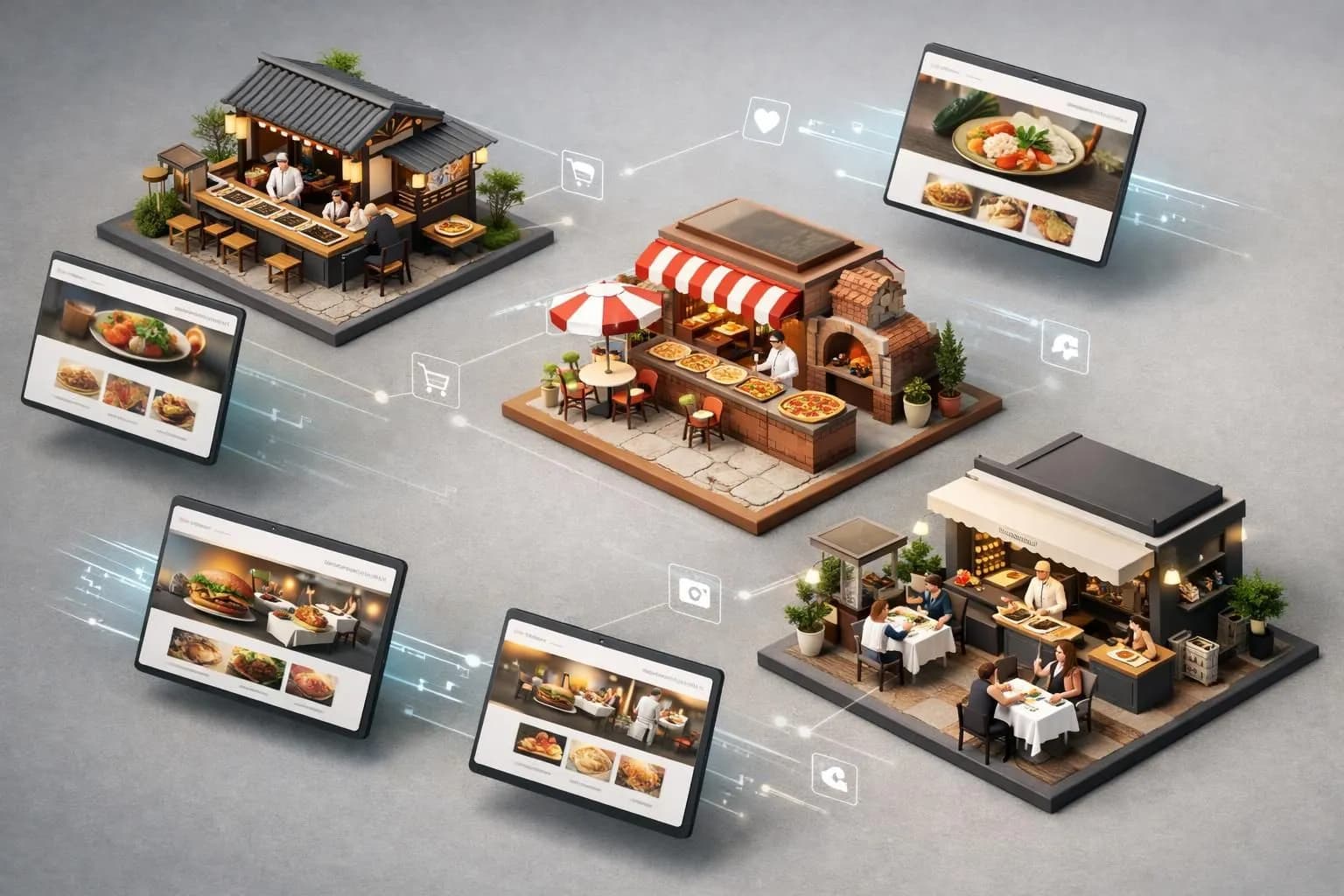
A restaurant website builder comparison reveals four platforms that excel at different priorities: Kleap for AI-driven speed, Wix for creative freedom, Squarespace for design elegance, and Toast for integrated operations.
- AI-powered builders launch professional sites within hours, not weeks of traditional development.
- Focus on mobile ordering capabilities and real-time menu updates rather than just aesthetics.
- Integration with existing POS systems prevents double-entry headaches and order errors.
Your competitor just filled their Friday night reservation slots through online bookings. Meanwhile, potential customers can't even find your menu.
Restaurant owners face a brutal reality: diners research online before choosing where to eat. A clunky website or no website at all sends customers straight to competitors with seamless mobile ordering and reservation systems.
This restaurant website builder comparison examines four platforms that address different operational needs. We'll cover why your online presence directly impacts revenue. We will also discuss how AI-powered tools like Kleap accelerate launch timelines, the essential features that separate functional from exceptional restaurant websites, Wix's customization depth for brand-focused establishments, Squarespace's design appeal for upscale venues, Toast's unified POS integration advantage, and a direct feature analysis to match builders with your specific requirements.
The right platform doesn't just display your menu; it becomes your most productive team member, handling orders while you focus on what happens in the kitchen.
Why Your Restaurant's Online Presence Makes or Breaks Your Business
Your restaurant could serve the best food in town. But if diners can't find your menu online or book a table through their phone, you're losing customers every single day.
The digital dining revolution has fundamentally changed how people discover restaurants; 78% check websites before deciding where to eat. That first impression happens on a screen, not at your front door.

The Digital Dining Revolution
Reservations, delivery orders, event bookings—everything flows through your website now. Mobile users expect instant loading speeds and simple navigation.
A clunky site sends them straight to your competitor. Most restaurants still treat their website as an afterthought, updating it once every few years when they remember the password.
What Makes Restaurant Websites Different
Unlike standard business sites, restaurant platforms need specialized features: live menu updates, table reservation systems, and photo galleries that make mouths water. A proper restaurant website builder comparison reveals which tools handle these demands without requiring a developer on speed dial.
Try it — build your site while you read
Describe what you want and get a live, publishable site in seconds. Free to start, no code.
Join 200,000+ makers building real websites with Kleap.
Kleap: AI-Powered Restaurant Website Creation in Minutes
Building a restaurant website used to take weeks. Kleap changed that equation completely.
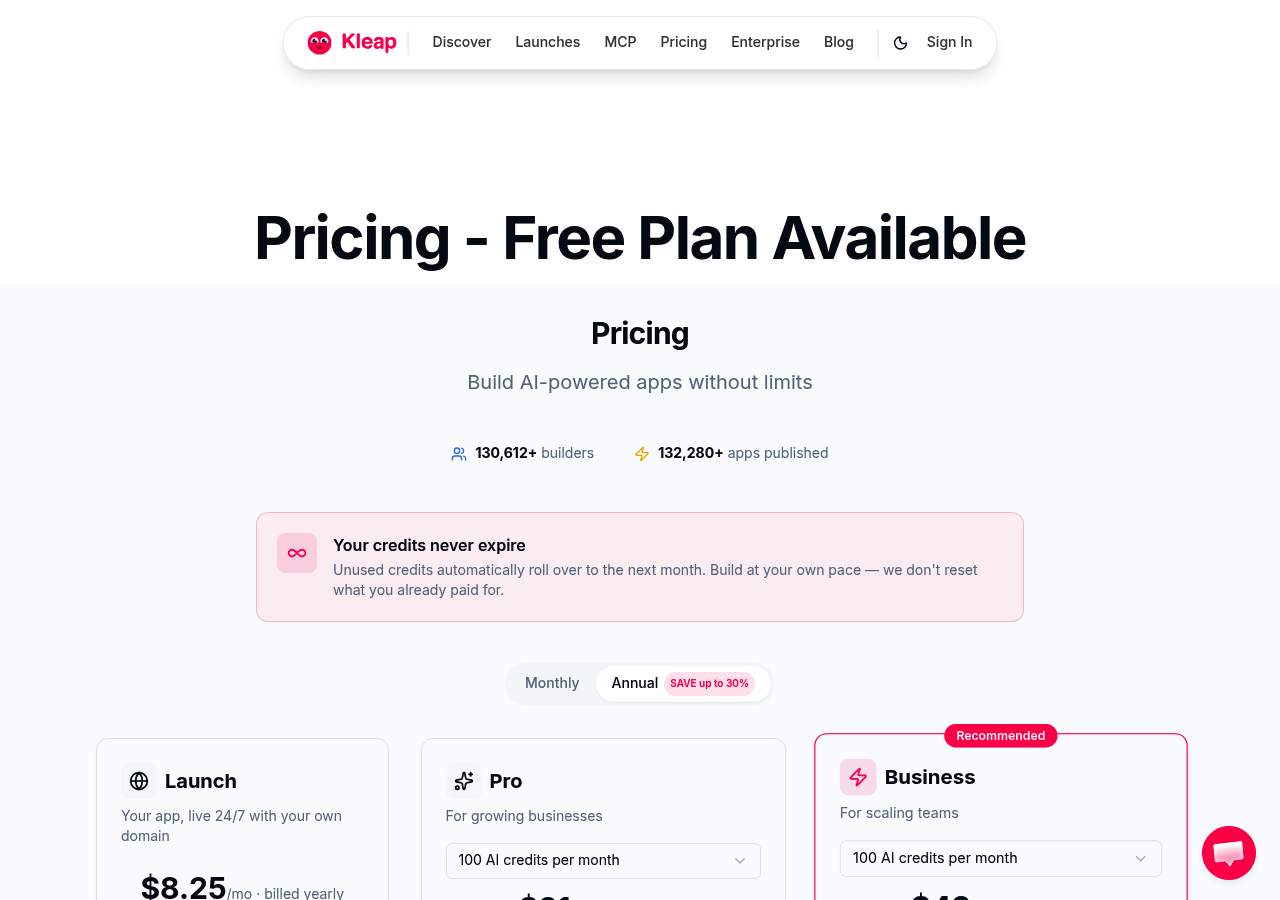
Their AI-driven platform generates fully functional sites in under 10 minutes, eliminating the technical barriers that traditionally slow down restaurant owners. Unlike conventional builders that require design skills, Kleap's intelligent system analyzes your menu, location, and brand identity to create a customized online presence automatically.
This approach proves particularly valuable when you're evaluating options through a AI website builder lens, where speed directly impacts your ability to capture hungry customers searching online right now.
Why Kleap Stands Out for Restaurants
The platform's artificial intelligence handles tasks that normally demand hours of manual work. Menu updates happen instantly.
Reservation integrations connect seamlessly with OpenTable and similar booking systems. Mobile optimization occurs automatically, which is crucial since most diners browse menus on smartphones.
What truly differentiates Kleap is how it learns from restaurant-specific patterns, suggesting layout improvements based on conversion data from thousands of food service businesses. You get professional results without hiring developers or designers.
Pricing and Value Proposition
Kleap operates on transparent subscription tiers that scale with your business needs. Entry-level plans start accessibly for single-location restaurants, while multi-location chains access enterprise features at higher tiers.
The platform eliminates separate hosting fees, security updates, and maintenance costs that plague traditional website solutions. Every plan includes unlimited menu updates and AI-powered content generation, ensuring your site stays current without ongoing development expenses.
What Separates Great Restaurant Website Builders from the Rest
Not all platforms deliver equal results. The best solutions combine technical capability with an understanding of restaurant operations.
We've evaluated dozens of tools to identify what actually matters when you're choosing a AI website builder for food service businesses. Our restaurant website builder comparison reveals three defining characteristics: speed of deployment, menu management flexibility, and reservation integration depth.
Essential Features Every Restaurant Website Needs
Certain capabilities aren't negotiable. Your platform must handle these fundamental requirements without workarounds or plugins:
- Mobile-responsive design (over 60% of diners browse on smartphones according to mobile web research)
- Real-time menu editing with pricing updates
- Photo galleries optimized for food presentation
- Location and hours display with map integration
- Contact forms that route to multiple staff members
Kleap tip: Test mobile responsiveness before committing. Load your demo site on three different devices to verify text readability and image clarity at various screen sizes.
Pricing Structures Decoded
Monthly costs vary widely. Basic plans start around twenty to thirty dollars, while enterprise solutions exceed several hundred dollars.
Hidden fees often include transaction percentages on online orders or reservation booking charges. Always calculate the total cost, including third-party integrations you'll inevitably need.
Wix: Maximum Customization for Creative Restaurant Brands
Need pixel-perfect control over every design element? Wix delivers unmatched creative freedom through its drag-and-drop editor.
Unlike rigid template systems, you can position elements anywhere on the page. You can also adjust spacing down to the pixel and create truly unique layouts that reflect your restaurant's personality. This flexibility makes Wix a favorite among design-conscious restaurateurs who view their website as a digital extension of their physical space.
When evaluating a no code website builder comparison, Wix consistently ranks highest for customization depth.
However, creative power demands a time investment. Building a polished Wix site typically requires 15 to 20 hours if you're unfamiliar with web design principles.
The platform's 500+ templates help, but heavy customization can slow page load speeds, which is a critical concern for mobile diners browsing your menu.
Wix's Restaurant-Specific Features
The App Market transforms Wix into a restaurant operations hub. Integration options include OpenTable reservations, Grubhub ordering, and loyalty programs through third-party apps.
You'll also find menu display widgets, event calendars, and email marketing tools designed specifically for food service businesses.
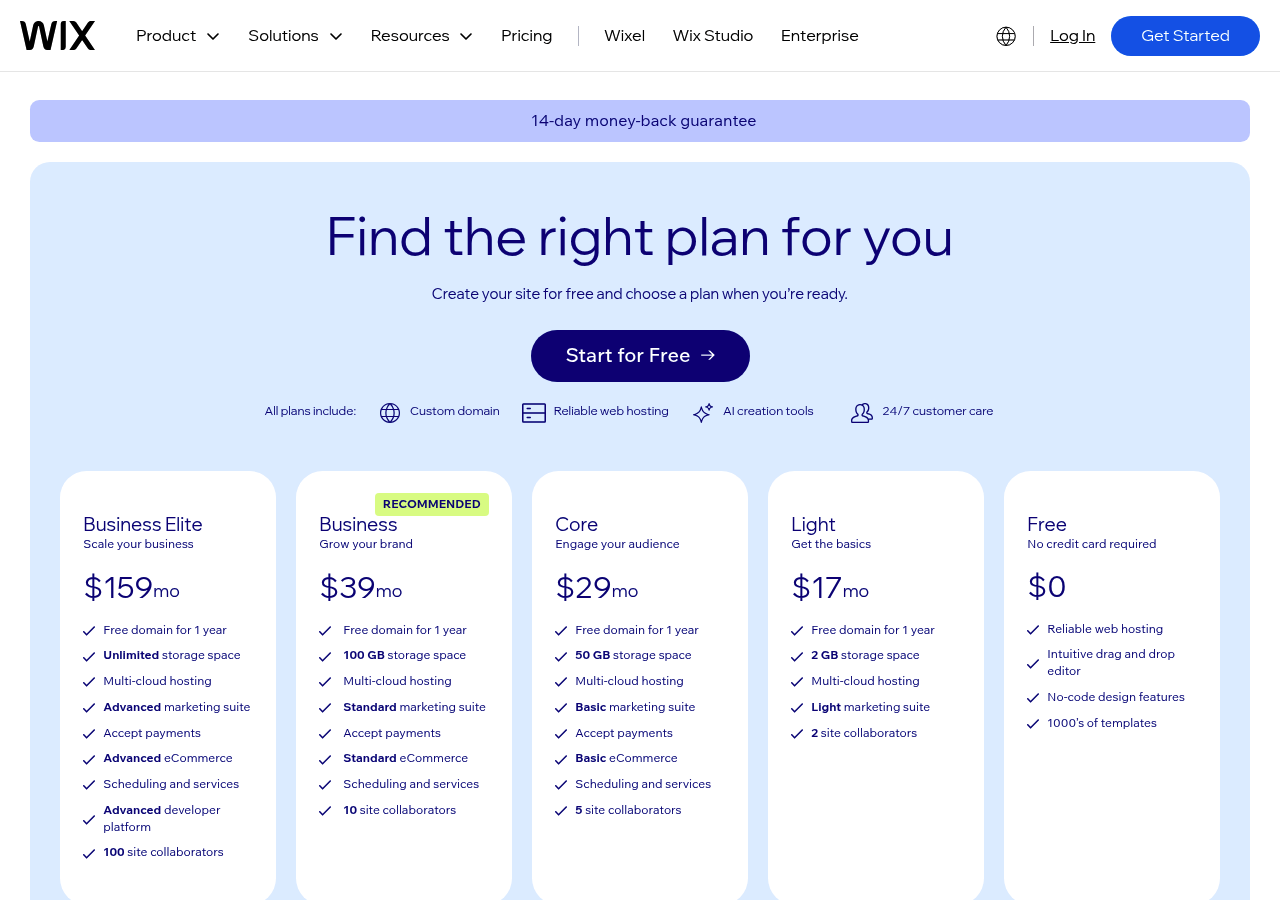
Pricing Breakdown
Best For Restaurants Wanting Complete Design Control
Boutique eateries and chef-driven concepts benefit the most. If your brand identity is your competitive advantage, Wix lets you showcase it without compromise.
Just budget extra hours for the learning curve.
Squarespace: Premium Design for Upscale Dining Establishments
Squarespace dominates the premium segment of any restaurant website builder comparison. Why?
Its templates rival custom designs costing thousands. We've seen bistros transform their online presence overnight using award-winning layouts that actually convert browsers into diners.
The platform handles reservations, menus, and image galleries without plugins cluttering your backend.
The interface feels intuitive from day one. You can drag blocks, adjust spacing, and swap images.
No coding is required, yet you maintain creative control that most website builder AI tool options can't match. According to Squarespace's platform architecture, their design system prioritizes visual consistency across devices, which is crucial when showcasing signature dishes.
Why Experts Call Squarespace the Apple of Website Builders
The comparison makes sense. Both brands prioritize aesthetics over feature bloat.
Restaurant owners appreciate the streamlined workflow: upload food photos, link the reservation system, and publish. Templates like Brine and Bedford have become industry standards for upscale establishments.
However, this polish comes with limitations. E-commerce features lag behind competitors.
Customization hits walls without CSS knowledge.
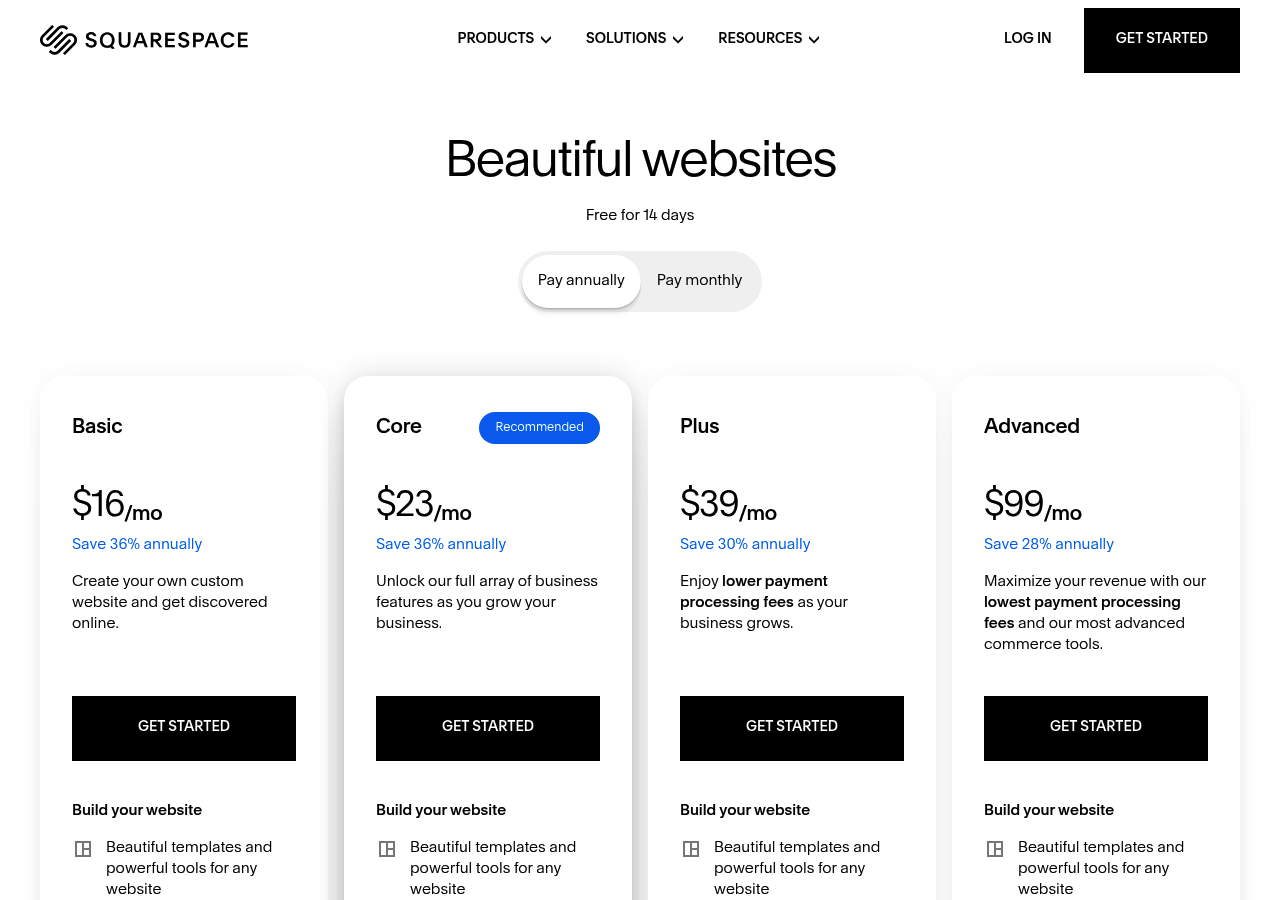
Pricing and Plans
| Plan | Monthly Cost | Best For |
|---|---|---|
| Personal | Starting tier | Single-location restaurants |
| Business | Mid-tier | Reservations + basic commerce |
| Commerce | Premium tier | Multi-location chains |
Check the official pricing for current rates. Annual billing typically offers discounts worth considering for established venues planning long-term.
Toast: All-in-One POS and Website Solution for Operational Excellence
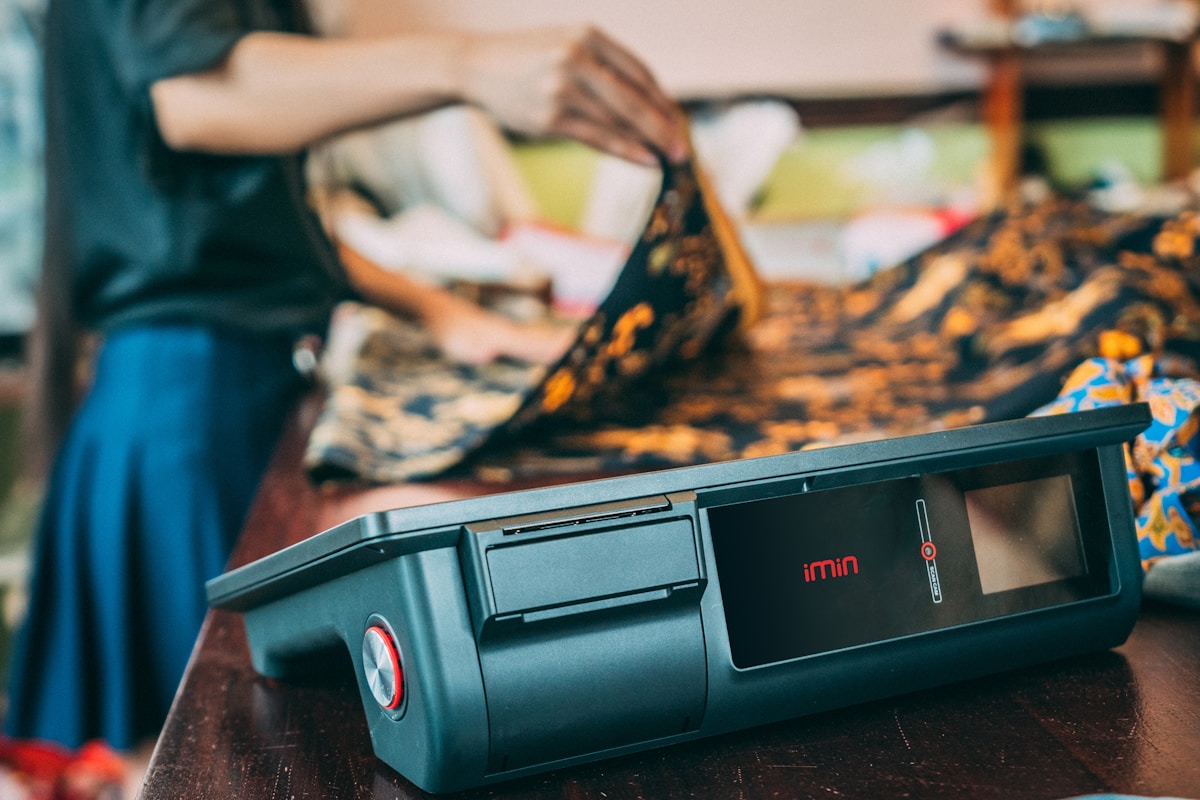
Running a restaurant means juggling reservations, inventory, payroll, and online orders. Toast solves this by combining POS hardware, a website builder, and operations management into one unified platform.
Unlike standalone tools, everything syncs automatically, and menu changes update across all channels instantly. This integrated approach makes Toast particularly valuable for full-service establishments where coordination between front-of-house, kitchen, and online ordering can make or break efficiency.
Toast's Integrated Ecosystem Advantage
The real power lies in how Toast connects disparate systems. Your website pulls live menu data from inventory management.
Online orders flow directly to kitchen display screens. Guest data from reservations integrates with CRM tools for targeted marketing.
This eliminates the manual data entry that plagues restaurants using separate platforms. According to industry research, restaurants using integrated systems reduce order errors by significant margins compared to those managing multiple disconnected tools.
Investment and Pricing Model
Toast operates on subscription pricing that varies based on the features needed. Basic plans start around several dozen dollars monthly per terminal, while comprehensive packages with advanced analytics and marketing tools reach higher tiers.
Hardware costs add to the initial investment; terminals, kitchen displays, and payment processing equipment typically require upfront capital. For context, an affordable website builder for startups might cost a fraction of Toast's full deployment but won't handle POS functions.
Kleap tip: Before committing to Toast's ecosystem, audit your actual operational needs. Many casual dining spots overpay for enterprise features they rarely use; sometimes a lighter platform handles the job better.
Which Builder Wins the Side-by-Side Feature Comparison
Choosing the right platform requires understanding how each builder stacks up against the competition. Some excel at design flexibility, while others prioritize operational integration.
No single solution dominates every category. What matters most is aligning features with your specific business model and growth trajectory.
Feature Matrix Breakdown
| Platform | Best For | Standout Feature | Limitation |
|---|---|---|---|
| Wix Restaurants | Independent cafés | Drag-and-drop simplicity | Limited POS integration |
| Square Online | Quick-service venues | Seamless payment processing | Basic customization |
| Toast | Full-service restaurants | All-in-one operations | Higher monthly commitment |
| Kleap | Multi-location chains | AI-powered automation | Requires tech familiarity |
Price-to-Value Analysis
Budget-conscious operators often gravitate toward free-tier options, but hidden costs accumulate quickly. Transaction fees, premium template charges, and add-on subscriptions erode margins.
According to POS industry standards, integrated systems typically deliver better long-term ROI despite higher upfront investments. Evaluate the total cost of ownership over 12-24 months rather than monthly subscription rates alone when conducting your restaurant website builder comparison.
FAQ - Frequently Asked Questions
What is the easiest restaurant website builder for beginners?
Wix takes the crown here. The drag-and-drop interface feels intuitive from day one, and you won't need any coding knowledge.
What really helps is that their restaurant-specific templates include menu sections, reservation buttons, and photo galleries already laid out. You're just swapping in your own content.
Squarespace runs a close second, but the learning curve is slightly steeper when you want to customize beyond the basics.
Do I need online ordering integration on my restaurant website?
It depends entirely on your business model.
The alternative?
Direct ordering through your site means you keep those margins. That said, a fine dining establishment with zero takeout can skip this feature entirely.
Focus your budget elsewhere, like high-quality photography or reservation systems.
How much should I budget for a restaurant website builder monthly?
Plan for $25-75 per month for most restaurant needs. The lower end ($20-30) covers basic plans from Wix or Squarespace with standard features.
You'll hit the upper range when adding online ordering, advanced SEO tools, or removing transaction fees. BentoBox charges more (hundreds of dollars per month) but includes marketing features that justify the cost for multi-location restaurants.
Avoid the cheapest tier; you'll outgrow it fast, and migration becomes a headache.
Can I accept reservations directly through these website builders?
Yes, but implementation varies widely. Wix and Squarespace offer built-in booking widgets that work adequately for smaller operations (under 40 covers nightly).
The catch? They lack advanced features like table management or automated confirmation emails in their basic plans.
You'll likely need to integrate third-party tools like OpenTable or Resy anyway, which these builders support through embed codes. BentoBox handles this more elegantly with native reservation systems, though at a higher cost.
For cafés or quick-service spots, simple contact forms often suffice.
Which restaurant website builder is best for SEO and local search?
Squarespace edges ahead for pure SEO capability. A clean code structure, automatic mobile optimization, and solid metadata controls give you a foundation that Google appreciates.
However, local search success depends more on your Google Business Profile and citation consistency than on your website builder. Any of these platforms will rank if you nail the basics: location pages with proper schema markup, genuine customer reviews, and NAP (name, address, phone) consistency across directories.
Wix has improved dramatically in recent years and now handles restaurant SEO competently, especially after their 2026 infrastructure updates.
Choose Your Restaurant Website Builder and Launch This Week
This restaurant website builder comparison reveals a clear pattern. The right platform depends on your specific needs, but speed and ease matter most for busy restaurant owners.
Kleap stands out if you want an AI-powered site live in under 10 minutes. Wix works for DIY enthusiasts with time to spare.
Toast excels when you need deep POS integration. Squarespace fits upscale establishments that prioritize visual storytelling.
Start by defining your top priority: launch speed, customization depth, or integration needs. Then pick the builder that matches.
Ready to build your restaurant website with AI? Kleap's team can set up your mobile-optimized site today, no coding required.
Book a free demo at kleap.co and see your restaurant online within the hour.
Your next customer is searching right now.