Can I Get a Pic? What That Question Actually Means and How AI Changes the Answer
When someone asks "can i get a pic," the answer in 2026 depends entirely on context, and AI has split that answer into at least 3 distinct paths.
- The phrase carries different weight depending on whether it's a social request, a stock search, or a prompt to an AI image generator
- AI tools now let anyone generate a custom image in seconds, no photographer, no license, no waiting
- Understanding which context applies changes your etiquette, your legal exposure, and your creative output entirely
Three words. Infinite contexts.
The moment someone types or says "can i get a pic," they could be flirting, filing a content request, sourcing a product visual, or talking to an AI model that will fabricate an image from scratch in under ten seconds.
For entrepreneurs, marketers, and developers shipping products at speed, this ambiguity is no longer just a social quirk, it's a workflow decision with real consequences for brand identity, copyright, and the tools you choose to build with.
What this article cuts through is the one thing most guides ignore: the context behind the question changes everything, and AI has permanently rewritten what a "yes" even looks like.
Key takeaways
- Three words, three completely different conversations.
- "Can I get a pic with you?
- Most people searching "can i get a pic" for their website end up on the wrong platform entirely, was
- The word "free" in stock photography is doing a lot of heavy lifting, and most of it is deceptive.
- When someone asks "can i get a pic" online, they usually want something fast, relevant, and on, bran
Why "Can I Get a Pic" Means Something Different Every Time You Say It
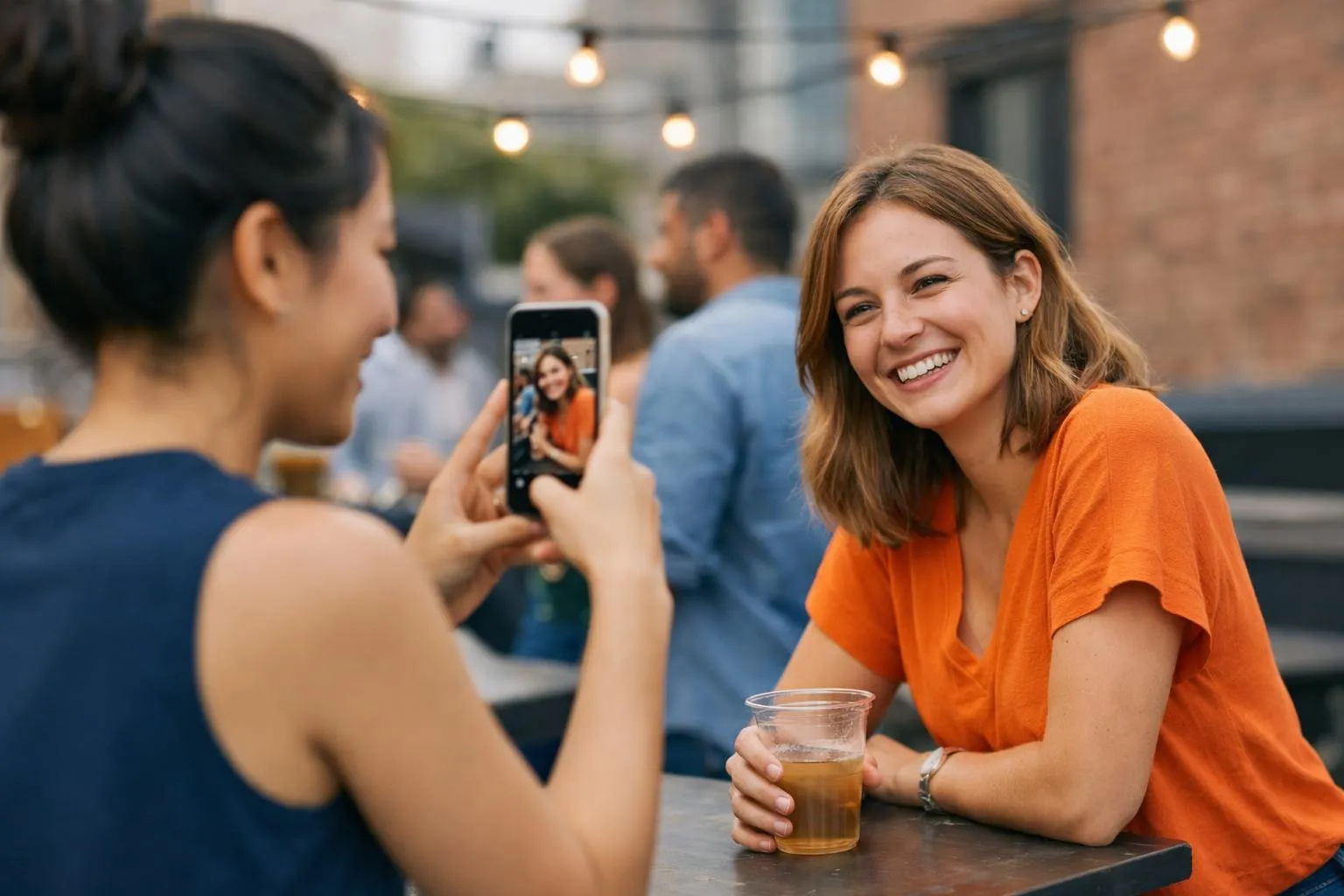
Three words, three completely different conversations. Whether you're at a rooftop party in New York asking a stranger to snap a photo, or you're a Chicago-based marketer hunting royalty-free visuals at midnight, the phrase "can i get a pic" carries entirely different weight depending on where you are and who's listening.
The Social Context, Asking Someone for a Photo
In person, this request is about timing and tone. Ask too abruptly and it reads as demanding.
Ask with context, "can I get a pic with you before you head out?" and the same words land as warm and considerate. Platform matters too: a DM on Instagram carries different expectations than a text to a close friend.
The Digital Context, Hunting Down the Right Image Online
For creators and marketers, the question shifts entirely toward sourcing. Free stock pictures, image search tools, and photo editors become the answer.
The decision framework is simple:
- Personal use, no budget: free stock photo libraries
- Commercial project: licensed or royalty-free downloads
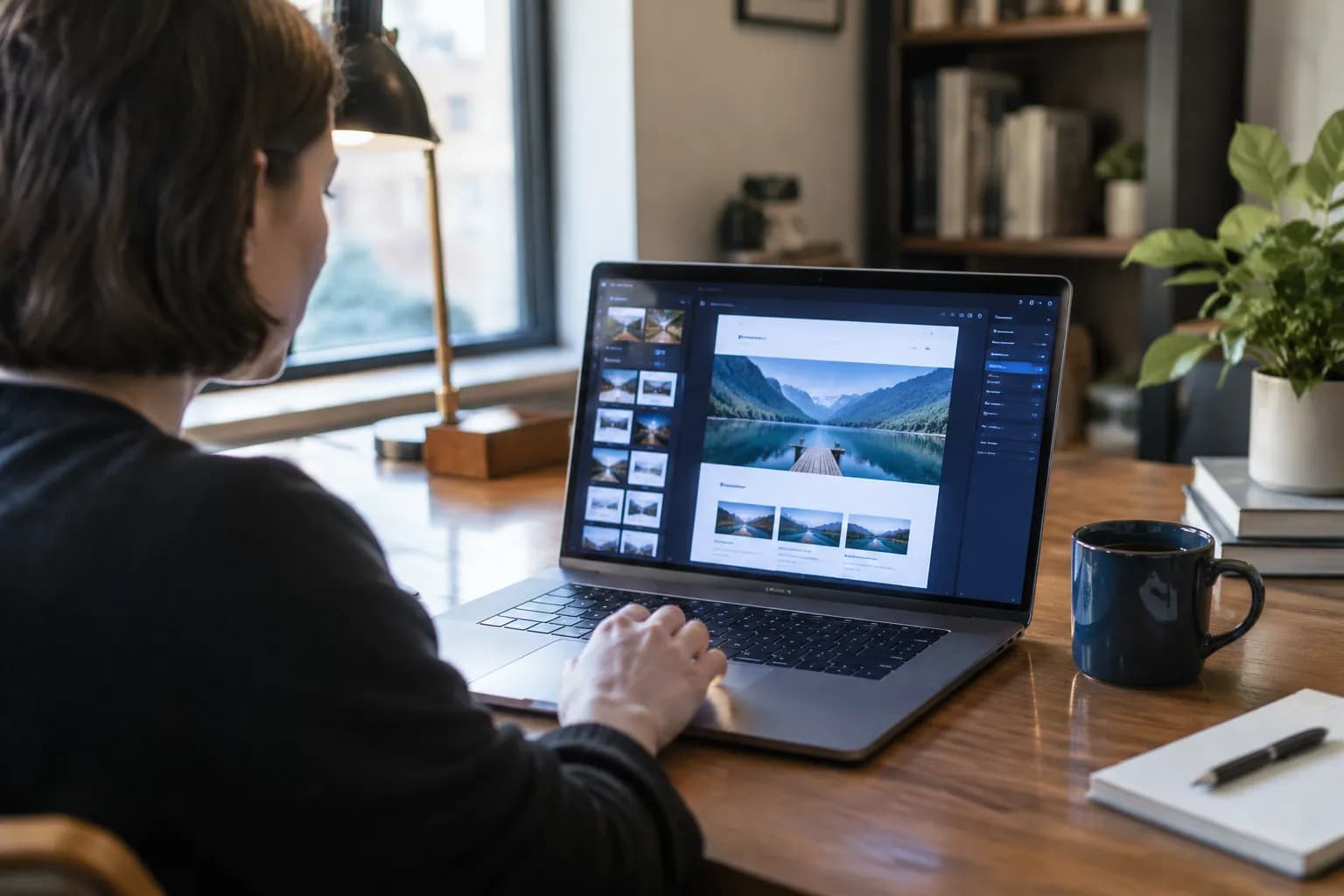
- Full website with visuals: AI platforms like Kleap generate and place images automatically within 2 minutes
"Getting a pic" increasingly means letting AI source, generate, and place visuals for you. That shift from hunting to prompting is the real story behind a phrase that used to mean something much simpler.
Try it — build your site while you read
Describe what you want and get a live, publishable site in seconds. Free to start, no code.
Join 200,000+ makers building real websites with Kleap.
How to Ask for a Photo Without Making It Weird
"Can I get a pic with you?" is grammatically correct and widely understood, the real question is whether your timing, tone, and context make it land smoothly or create instant awkwardness. The phrasing itself isn't the problem.
The delivery is.
What Works and What Falls Flat
Low-pressure phrasing consistently outperforms blunt demands. "Would you mind if we grabbed a quick pic?" gives the other person a natural exit, which paradoxically makes them more likely to say yes. Contrast that with "Take a photo with me", same request, completely different social weight.
Humor works as an icebreaker, but only when the relationship dynamic supports it. With a stranger, it can read as presumptuous rather than charming.
- Fan or public event: Wait for a calm moment, approach from the front, keep it brief
- Skilled setting: Ask after the interaction wraps, never mid-conversation
- Casual hangout: "Can I get a pic?" lands fine, context already signals comfort
- First meeting: Lead with conversation first; the photo request earns itself
Online and Social Media Photo Requests
DMs beat public comments for photo requests, a comment puts someone on the spot in front of an audience, which raises the stakes unnecessarily. When requesting to repost someone's image, always ask permission explicitly and credit the original creator.
Assuming a public post means open license is the most common mistake people make online, and it damages trust fast.
Rules That Actually Matter
Never assume consent. A polite ask with an easy out, "totally fine if not", respects everyone's comfort without making the refusal feel like a confrontation.
If you need professional-quality visuals without the social negotiation entirely, platforms like Kleap generate AI-sourced images automatically during site builds, which is worth knowing when you're building a wix ai site generator features 2026 comparison. For broader visual asset research, the ذكاء اصطناعي صور guide covers AI image generation in depth.
Where to Actually Find Free, High-Quality Photos in 2026
Most people searching "can i get a pic" for their website end up on the wrong platform entirely, wasting time on sites with murky license terms. The short answer: Unsplash, Pexels, and Pixabay remain the three most reliable free-tier sources for both personal and commercial use, no attribution required in most cases.
However, "free" is doing a lot of heavy lifting in that sentence.
Top Free Stock Photo Sources Worth Bookmarking
- Unsplash, editorial-quality photography, strong for hero images and blog headers
- Pexels, broader variety, reliable for social posts and presentation backgrounds
- Pixabay, includes illustrations and vectors alongside photos
- Canva's library, millions of licensed images with integrated editing in one workflow, no context-switching
- Freepik (now Magnific), AI-improve stock with a growing selection of unique, non-generic visuals
Choosing the Right Image for Your Use Case
Resolution and file format trip people up constantly. A social media post needs a compressed JPEG under 1MB; a website hero image demands a WebP or high-res PNG that survives retina displays without slowing load times.
Print materials require 300 DPI minimum, which most free-tier downloads don't provide. Always check the download options before committing to a source.
A Quick Decision Framework
Match your source to your actual need. Personal project with no revenue involved?
Any of the five sources above works. Commercial use with client branding?
Verify the license explicitly, since Canva's premium assets require a paid plan for commercial deployment. Editorial content like news or opinion pieces?
Unsplash and Pexels cover this cleanly. Need illustrated or AI-generated visuals rather than photorealistic images?
Freepik and Pixabay are stronger choices.
Once you have your images, the next challenge is integrating them into a site that actually converts. Tools like Kleap handle this automatically, sourcing and placing relevant visuals during site generation so you skip the manual search entirely.
If you want to go further and crear paginas web con inteligencia artificial or creer site web avec ia, the AI handles image placement, SEO metadata, and layout in one pass.
Kleap tip: Instead of hunting stock sites manually, describe your business to Kleap's AI and let it source and insert contextually relevant images during site generation, saving the search entirely while keeping your PageSpeed score above 90.
What the Photo Industry Won't Tell You About "Free" Images
The word "free" in stock photography is doing a lot of heavy lifting, and most of it is deceptive. The moment you need a high-resolution download or commercial licensing rights, virtually every major free platform redirects you to a paid tier.
Attribution requirements buried in the fine print create real legal exposure if ignored, and the consequences of misusing a "free" image range from takedown notices to licensing fees that dwarf what you'd have paid upfront.
The Hidden Costs Behind Free Stock Photo Platforms
Here's what most creators discover too late: the same core library of roughly 50 widely circulated stock photos appears across thousands of websites simultaneously. Your audience has already scrolled past that smiling team in a glass office.
They've seen that laptop-on-a-wooden-desk hero image on at least a dozen competitor sites. Familiarity doesn't build trust, it signals generic, and generic signals forgettable.
Why Generic Stock Photos Are Quietly Killing Your Brand
Generic visuals lower perceived brand trust in measurable ways. Authentic, context-specific imagery consistently outperforms stock photography for engagement, yet most small business owners still default to free stock searches out of habit.
AI-generated images have now reached a quality level where they are often indistinguishable from photography, and they are fully original by default. No attribution clause.
No licensing gray area. No risk of seeing your hero image on a competitor's homepage tomorrow.
Platforms like Kleap bypass the entire stock photo hunt by generating unique, context-aware visuals as part of a complete website build. One prompt, one AI agent, one live site, images included.
For a deeper look at how this compares to traditional builders, the ai website builder features comparison breaks down exactly where AI-native tools outperform template-based alternatives on visual output and speed.
- If you need one-off editorial images → free stock platforms work
- If you need commercial, brand-specific visuals → AI generation is safer and faster
- If you're building a full site → tools that generate visuals within the build eliminate the problem entirely
How AI Answers the "Can I Get a Pic" Question for Your Entire Website
When someone asks "can i get a pic" online, they usually want something fast, relevant, and on-brand, not a 45-minute hunt through stock photo sites. That exact frustration is what Kleap eliminates entirely.
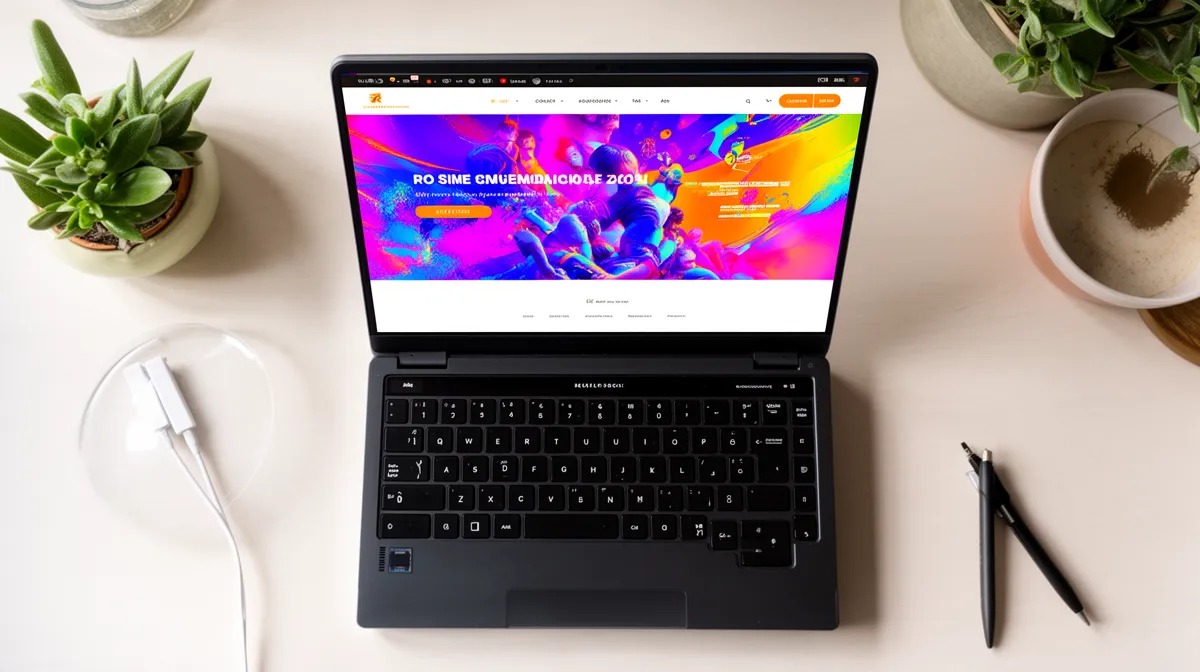
Instead of sourcing images manually, the platform's single AI agent generates layouts, copy, and context-matched visuals simultaneously, delivering a live site in under 15 minutes with zero design skills required.
How Kleap Handles Visuals Automatically
Describe your business in plain language, "eco-friendly skincare brand for millennials", and Kleap's AI writes the React code, selects fitting imagery, generates SEO metadata, and configures mobile rendering automatically. No template recycling.
Because every layout is built from your specific input, your site looks nothing like the next person's. Many sites have been built this way, each visually distinct.
Who Benefits Most from AI-Powered Visual Creation
The free tier alone covers a surprising amount of ground: 750 AI credits, 5 pages, unlimited blocks, analytics, and e-commerce functionality, no credit card needed. Here's who gains the most:
- Entrepreneurs launching a first product and needing a professional presence immediately
- Freelancers building portfolio sites without hiring a designer
- Small business owners replacing outdated sites without touching code
- Agencies cutting significant hours of development time per month on client variations/li>
The practical upshot: asking "can i get a pic" stops being a sourcing problem the moment AI handles every visual decision for you, contextually, automatically, and at a PageSpeed score above 90.
Frequently Asked Questions
Can I get a pic with a celebrity, how do I ask politely?
Keep it brief, respectful, and low-pressure. Approach during a natural pause, make eye contact, and say something like "I'm a big admirer of your work, would you mind a quick photo?" Then accept whatever answer you get gracefully.
Timing matters more than wording. A rushed celebrity mid-event is a near-certain no. Catch them at a signing, meet-and-greet, or fan event and your odds improve dramatically.
What is the best free stock photo site with no watermarks?
Unsplash, Pexels, and Pixabay are the three strongest options, all completely free, no watermarks, and no account required to download.
Unsplash tends to win on aesthetic quality, while Pexels offers a broader range of everyday business imagery. For sheer volume across diverse categories, Pixabay is hard to beat.
All three operate under licenses that allow commercial use without attribution, though crediting photographers is good practice.
Can I use free stock photos on my business website without legal issues?
Yes, with one condition: check the license on every single image before publishing.
"Free" does not automatically mean unrestricted. Sites like Unsplash and Pexels use licenses that permit commercial use, but some platforms mix Creative Commons images that require attribution or prohibit resale.
The safest habit is downloading only from sites with explicit commercial-use permissions and keeping a record of each image source. One misused photo can trigger a DMCA takedown or, in rare cases, a licensing dispute.
How do AI website builders handle images automatically?
Most AI website builders pull from integrated stock libraries or generate placeholder visuals based on your industry and content context. At Kleap, the AI selects layout-appropriate imagery as part of the build process, so you get a visually coherent site from the first draft rather than a blank canvas waiting for assets.
You can always swap in your own photos or connect to external libraries. The AI handles the heavy lifting on composition and placement, which cuts hours off a typical design workflow.
Is it grammatically correct to say "can I get a pic"?
Technically, "may I get a pic" is the grammatically precise form, since "may" requests permission while "can" refers to ability. In practice, "can I get a pic" is universally understood and completely acceptable in casual speech.
The distinction matters only in formal writing. In everyday conversation, nobody will correct you, and frankly, worrying about it more than the actual ask is the real mistake.
How do I get a high-quality pic for my website without a photographer?
Three reliable routes: free stock sites like Unsplash, AI-generated imagery through tools built into platforms like Kleap, or a modern smartphone shot in good natural light with a clean background.
Stock photos work well for generic business contexts. For anything brand-specific, your product, your team, your space, a smartphone with decent lighting consistently outperforms a generic stock image.
AI-generated visuals are increasingly strong for hero sections and abstract concepts where authenticity matters less than visual impact. The combination of all three, matched to context, is what professional sites actually use.
The Next Time Someone Asks "Can I Get a Pic," You'll Have a Better Answer Than Anyone Else in the Room
The real shift happening in 2026 isn't about where to find images, it's about who gets to create them, and that answer is now everyone.
Start with intent. Whether the ask is personal, professional, or somewhere in between, knowing what you actually need narrows the path immediately.
For visuals that need to look genuinely original, on a website, a landing page, a portfolio, stop searching and start generating. Kleap's free tier lets you build a complete digital presence with AI-designed layouts and visuals from a single prompt, no design background required.
Try Kleap's free plan today and go from "can i get a pic" to a live, professional page in minutes, not hours.
Great visuals were never the hard part. Having the right tool finally makes them the easy part.