Swiss AI
Artificial intelligence in Switzerland
Create a website or app with AI, automate your processes, deploy autonomous agents, or hand it all to a Swiss AI agency. Here is your starting point.
197'709+ sites created with Kleap
Two ways to use AI with Kleap
Do it yourself, or let our team handle it.
Product: build it yourself
Describe your website or app and AI generates it in minutes. Self-service, fast, low budget. Perfect to launch.
Build with AIEnterprise: we do it for you
Our AI agency builds, automates and deploys for you, on open-source models hosted in Europe.
See the enterprise offerExplore AI in Switzerland
The topics that matter to Swiss companies.
AI for business
AI agency, automation, agents: AI working for Swiss SMEs.
AI agents
Autonomous agents that carry out your business tasks.
AI automation
Automate support, sales and back-office with AI.
Sovereign AI
Open-source models, European hosting, data under control.
AI for SMEs
Concrete, affordable use cases for Swiss SMEs.
AI strategy
Frame, prioritize and deploy AI in your company.
Build a website with AI
Launch your website in minutes, no coding.
Built with Kleap
Real sites from the community
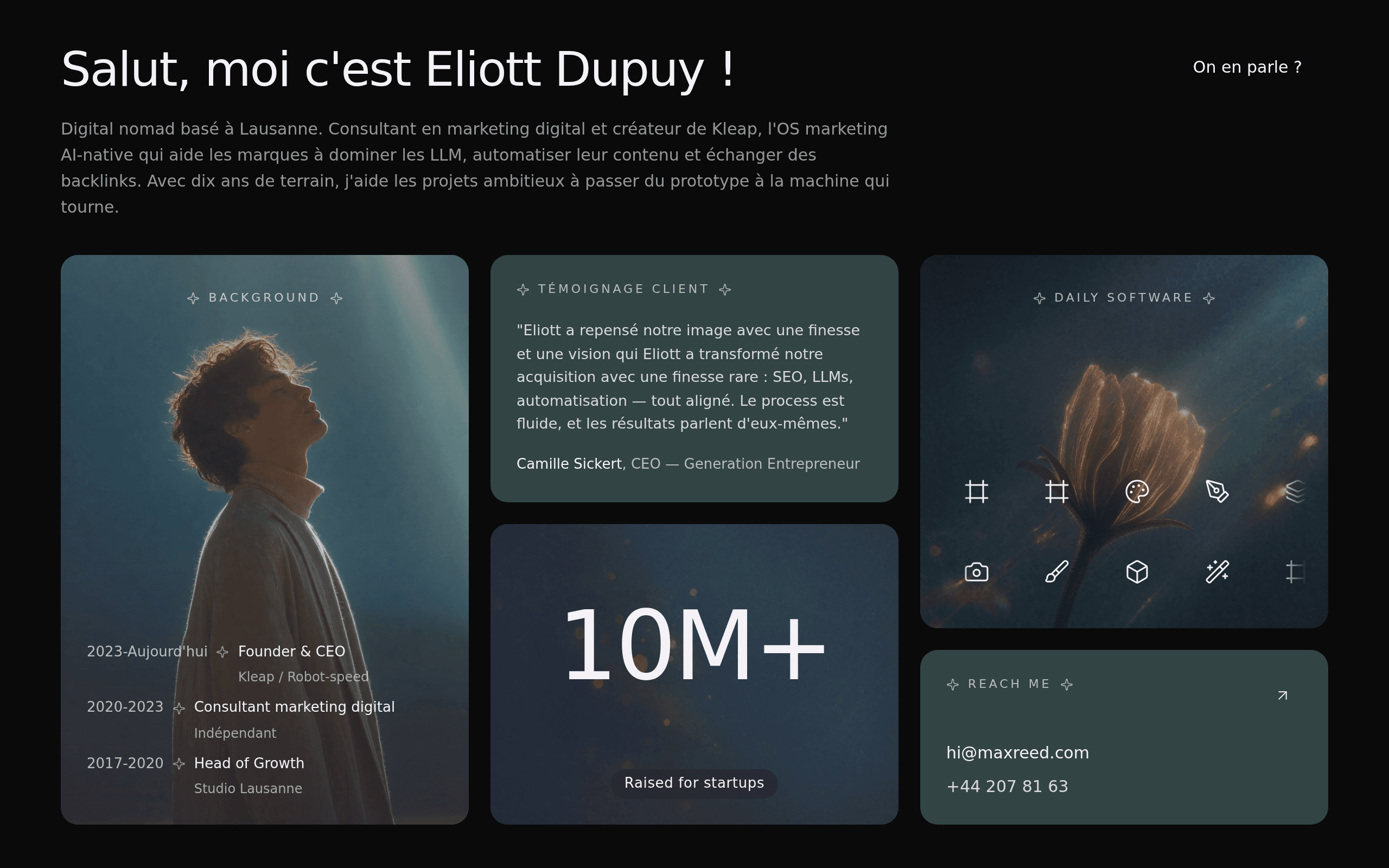
Portfolio
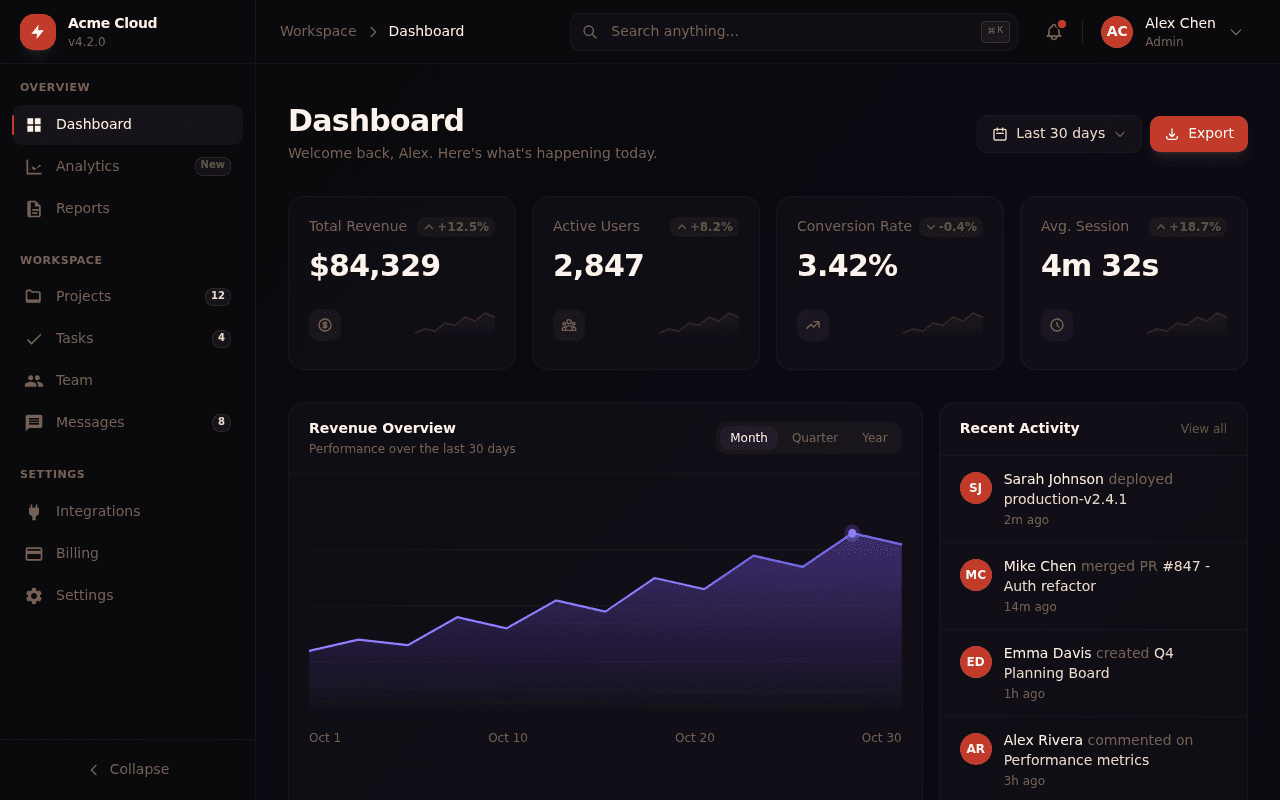
Principal Frontend Engineer
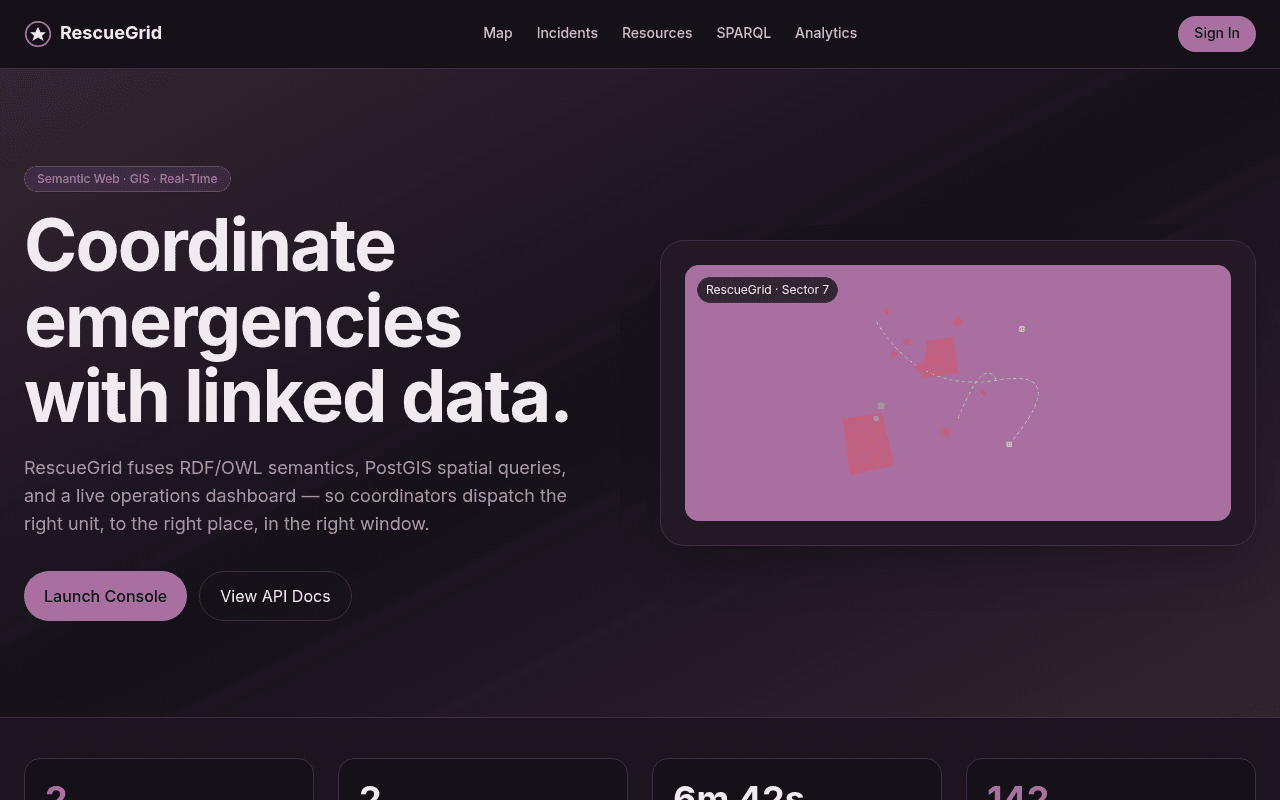
RescueGrid — Emergency Response GIS
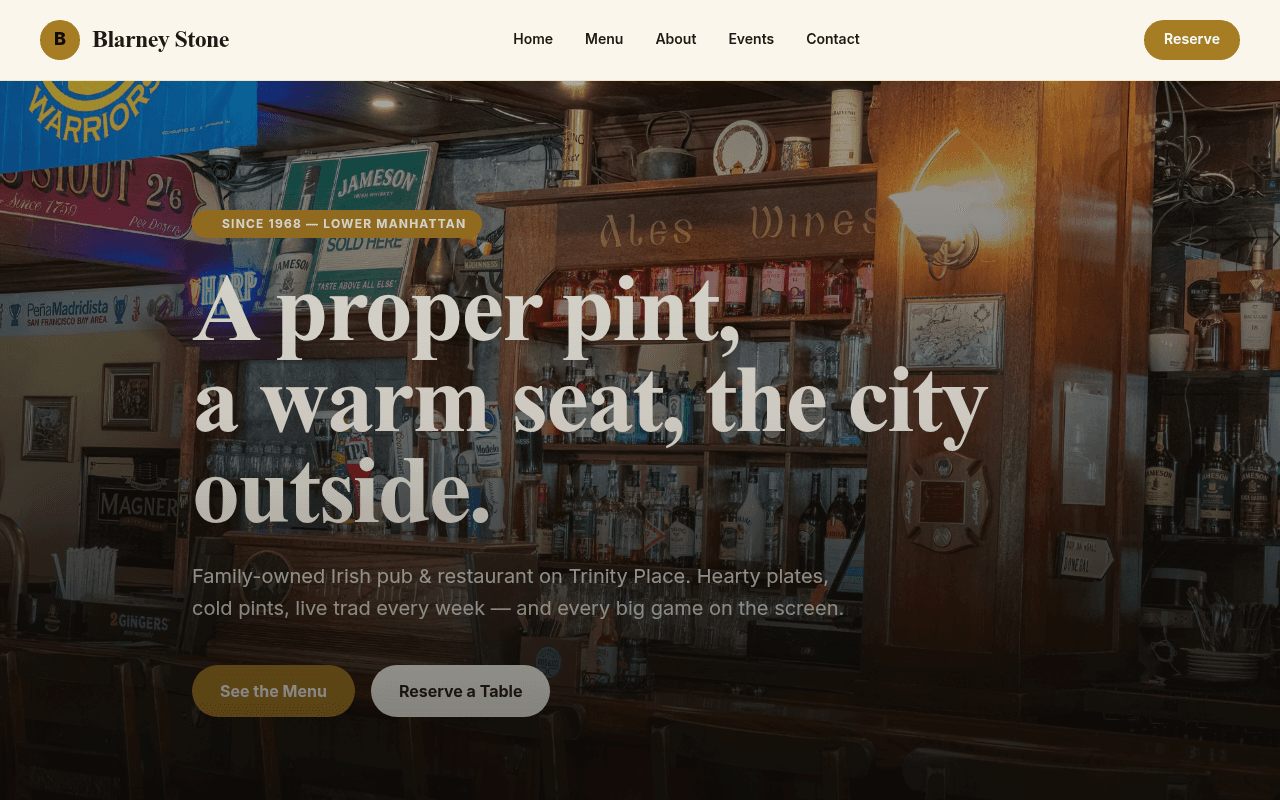
Blarney Stone
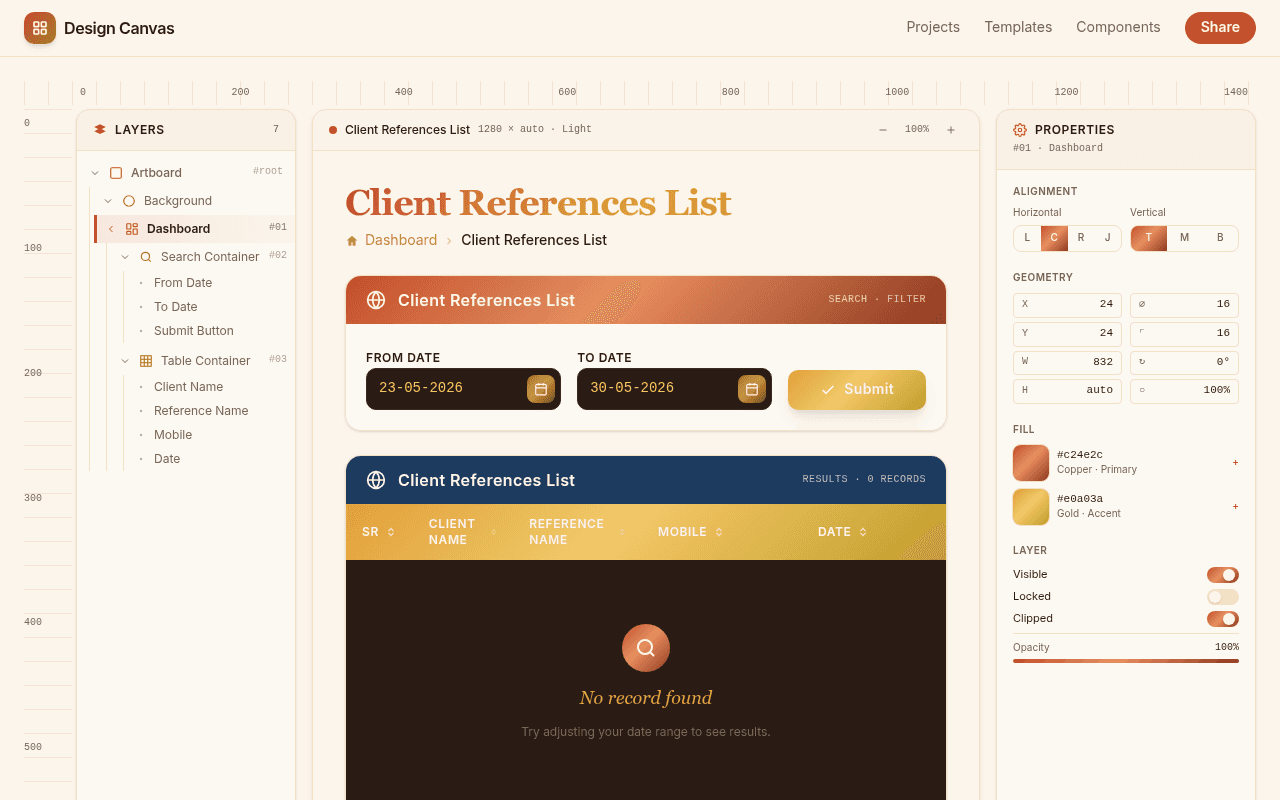
Client References List
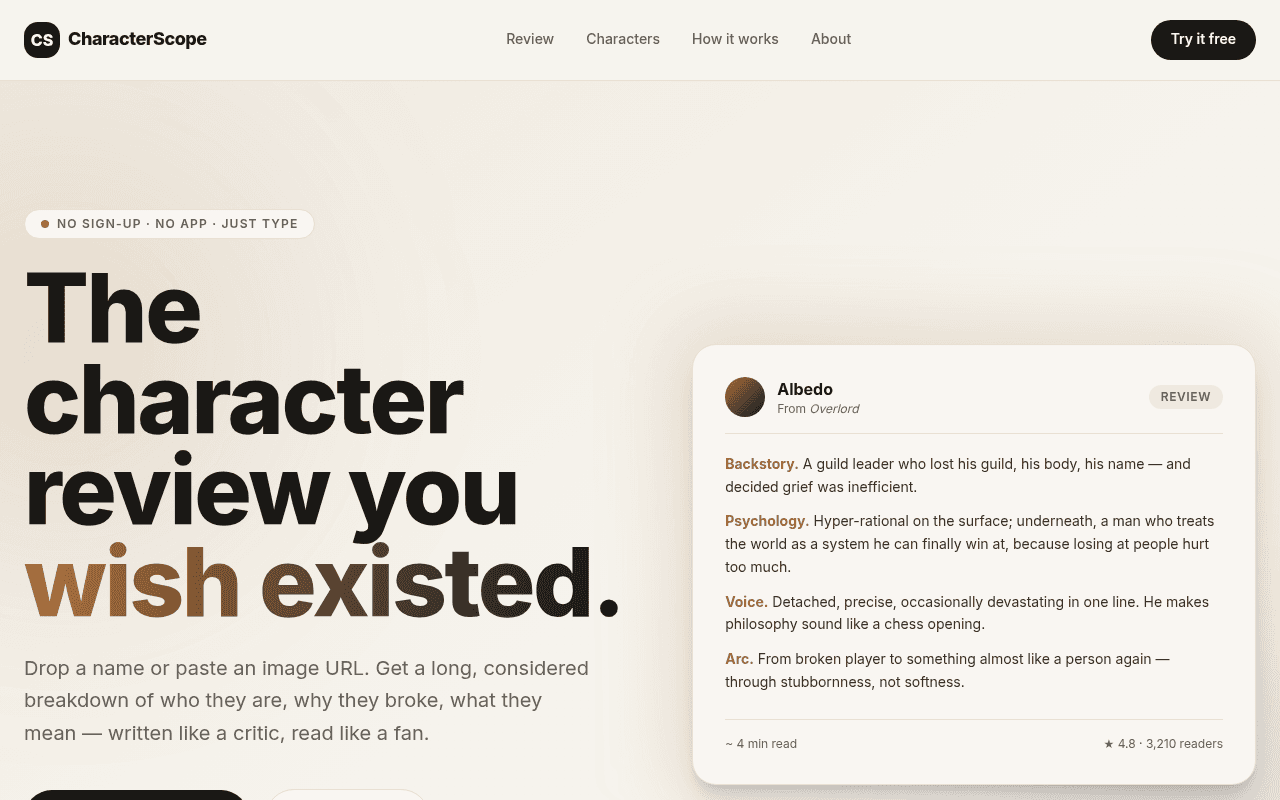
CharacterScope
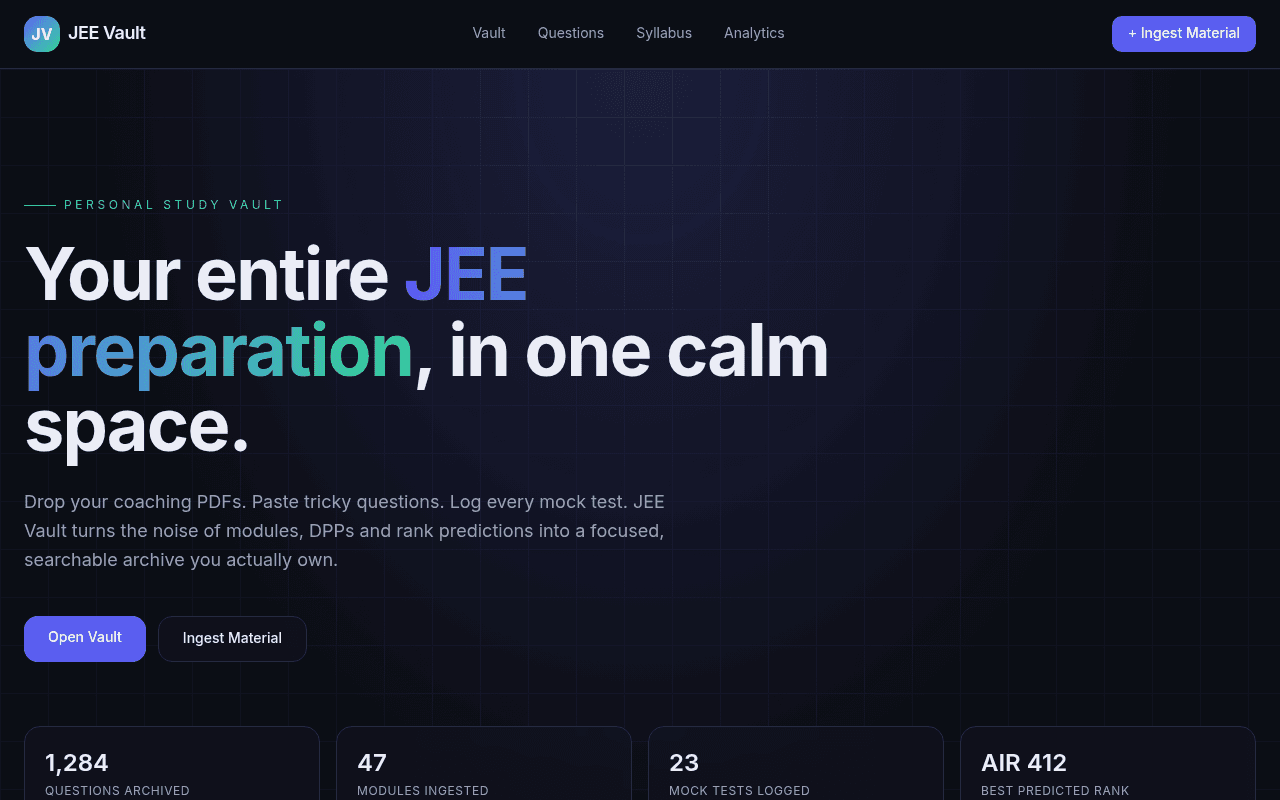
Expert Full
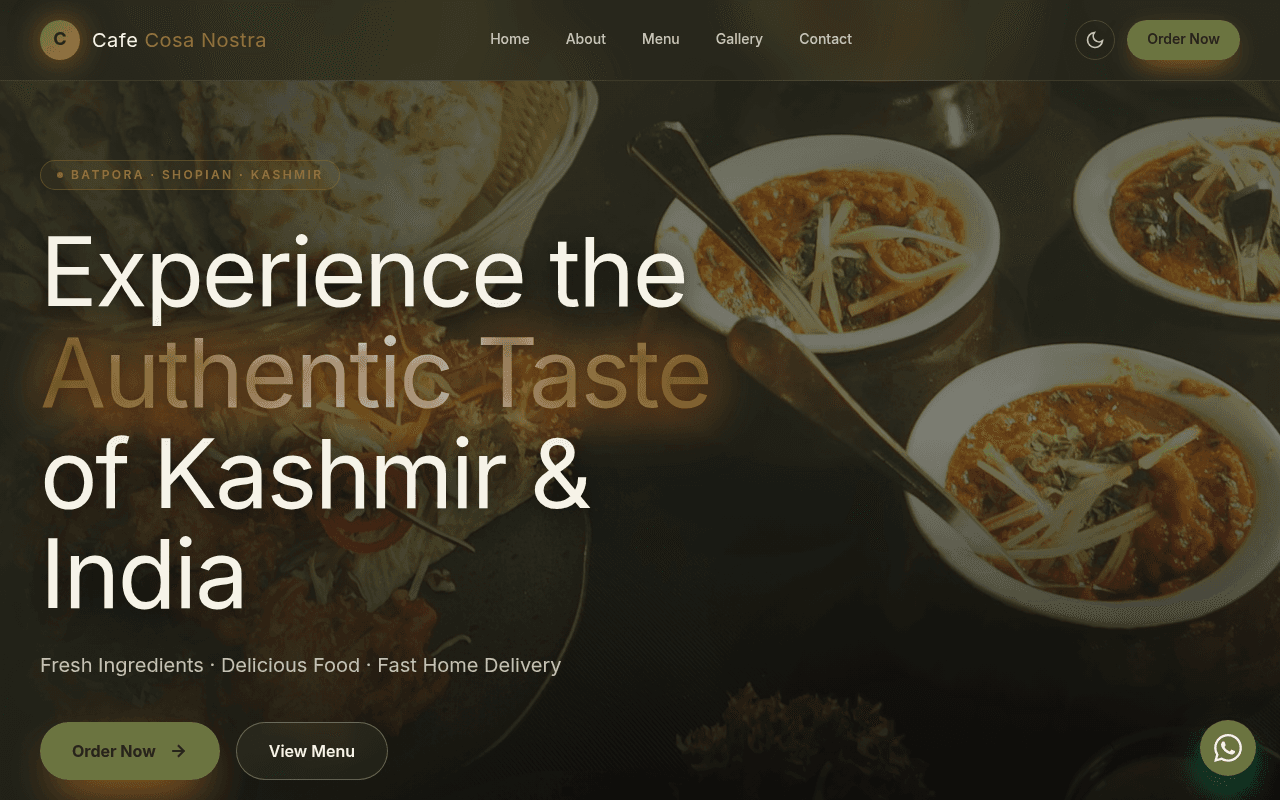
Cafe Cosa Nostra located
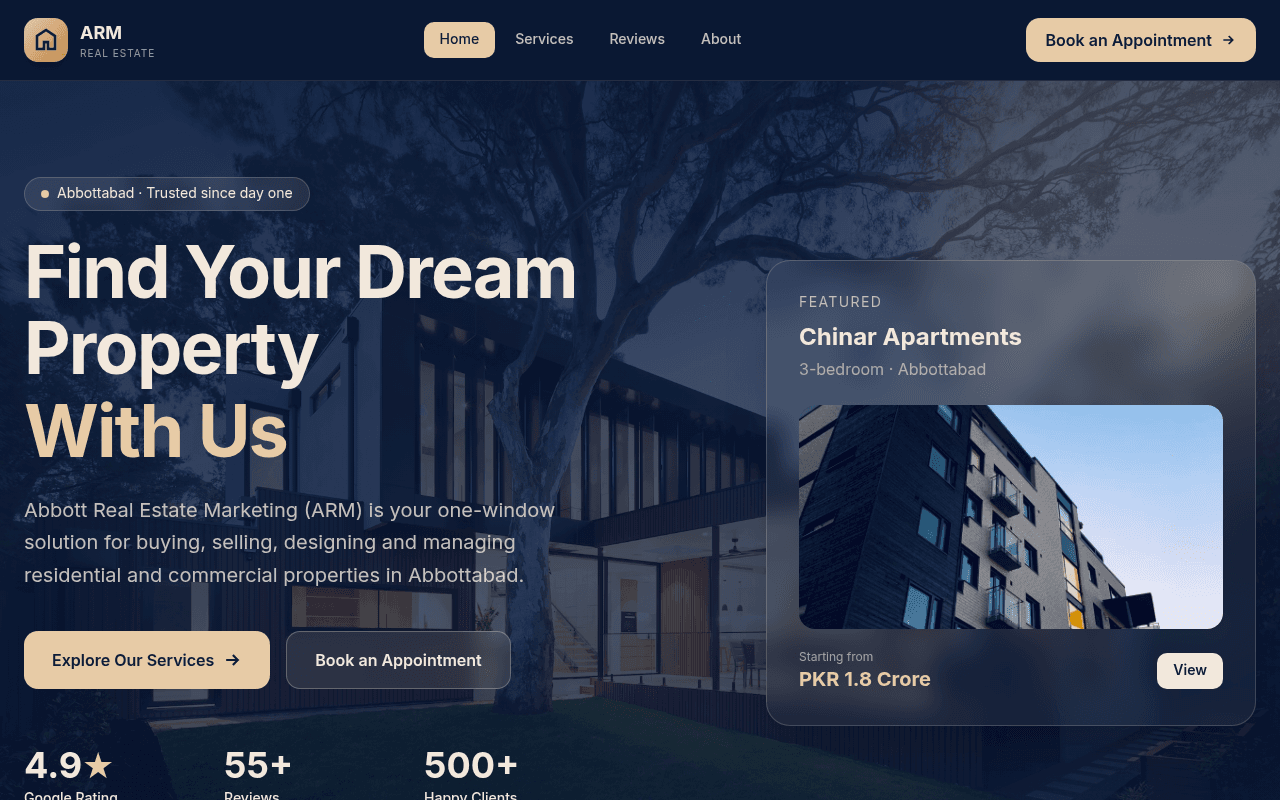
Frontend Developer
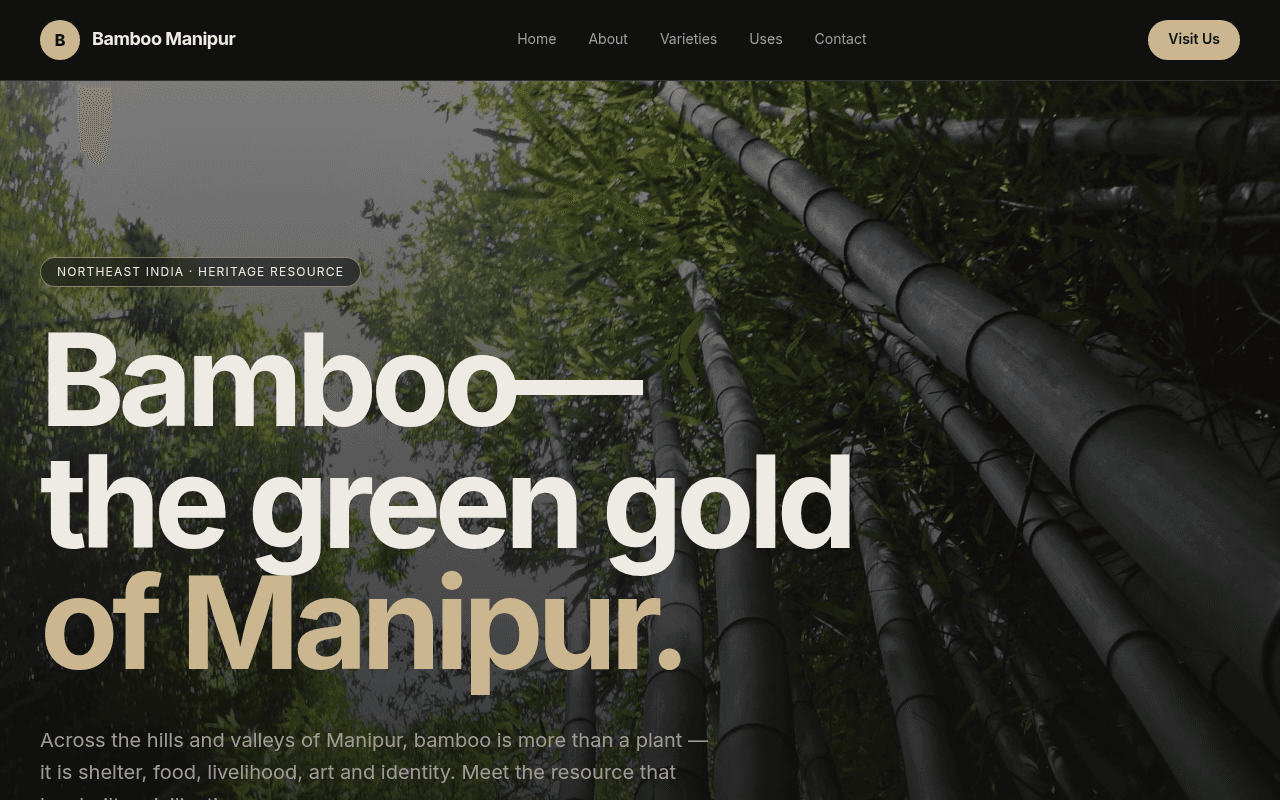
Bamboo-the green gold of Manipur
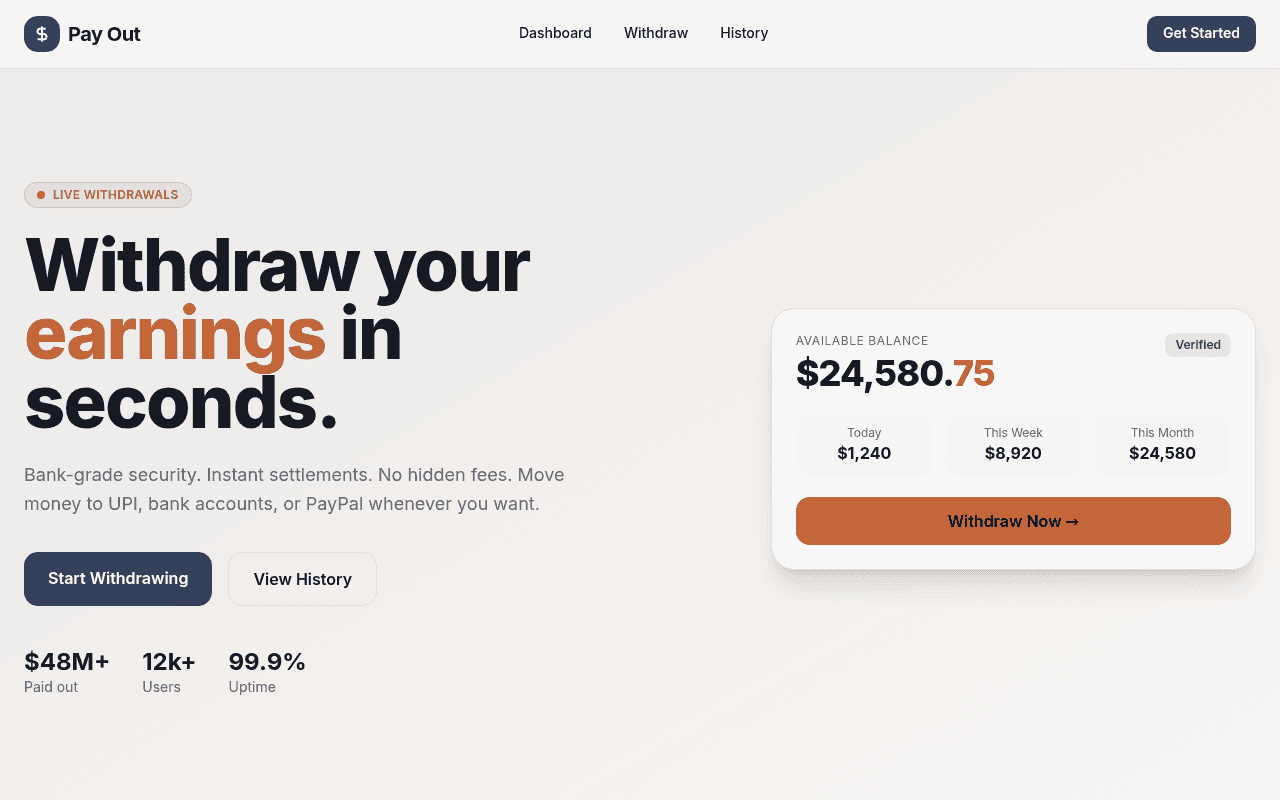
Withdrawal Site
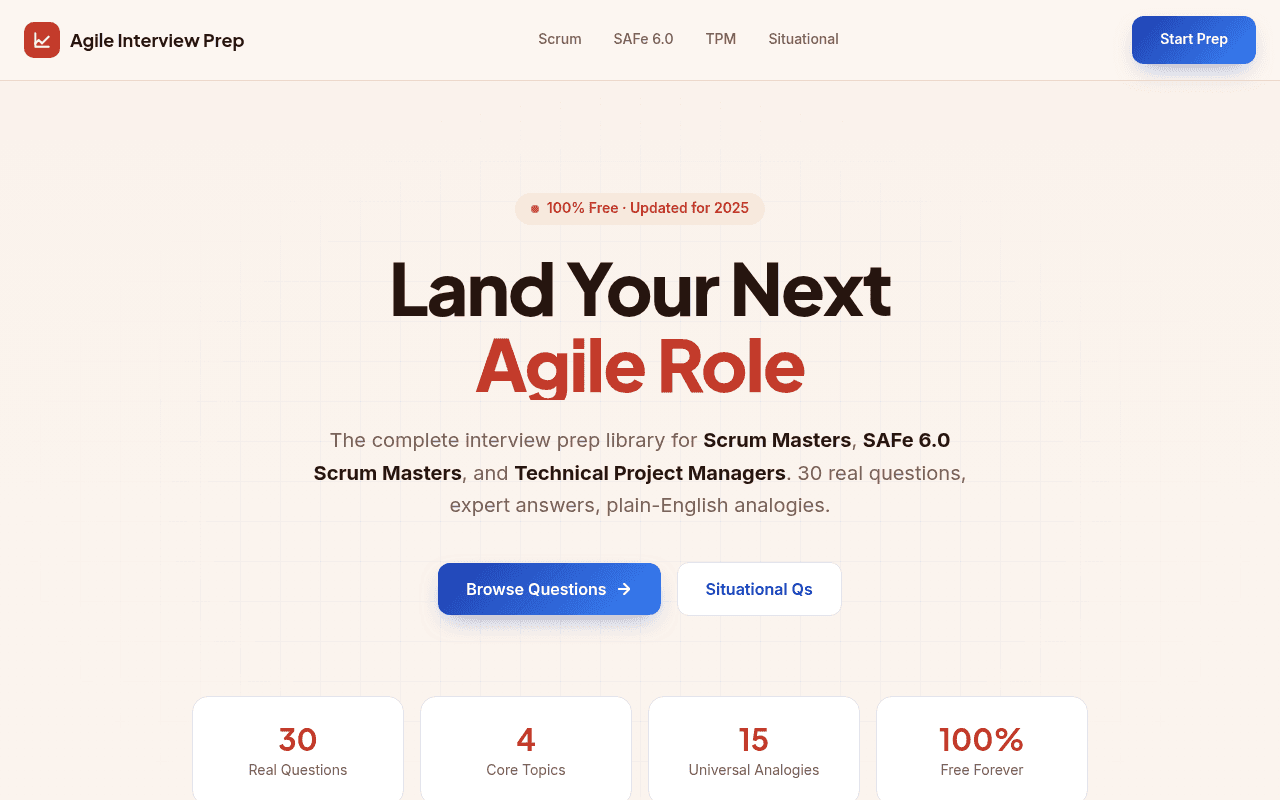
Agile Interview Prep
Frequently asked questions
What is the state of AI adoption among Swiss businesses in 2026?
A growing share of Swiss businesses use some form of artificial intelligence in 2026. The rate is higher among large companies and lower among SMEs, but the gap is narrowing gradually as tools become more accessible and returns on investment become more widely known.
Is my data protected if I use AI in Switzerland?
It depends on the solution chosen. With third-party APIs (OpenAI, Google, Microsoft), your data may transit to servers outside Switzerland or the EU, and retention conditions vary by provider. With a sovereign solution deployed on European infrastructure (as Kleap does on Hetzner, ISO 27001 certified), the data stays within the EU and is not reused to train third-party models. The revised FADP (in force since September 2023) requires informing data subjects and documenting processing activities.
What legal obligations apply to Swiss businesses that use AI?
The revised FADP (1 September 2023) is the primary framework. It requires informing individuals whose data is being processed, avoiding fully automated decisions on significant matters without the possibility of human recourse, and guaranteeing the traceability of processing. In practice: document which AI tools process which data, distinguish anonymized data from personal data, and sign a data processing agreement (DPA) with your providers. The FDPIC publishes regularly updated guidelines.
What is the difference between generative AI and autonomous AI agents?
Generative AI (ChatGPT, Claude, Gemini) produces text, images, or code from a one-off instruction. An autonomous AI agent is a system capable of planning a sequence of tasks, using tools (search, sending emails, updating a database), making intermediate decisions, and reaching an objective without constant supervision. For businesses, AI agents are the next step after automating individual tasks.
Will AI eliminate jobs in Switzerland?
Available evidence shows that AI transforms jobs more than it eliminates them entirely. In Switzerland, the labor market remains tight and businesses primarily use AI to boost the productivity of existing teams. The most affected roles are those with a high volume of repetitive tasks (document processing, data entry, standardized reporting). The most in-demand skills are shifting toward the ability to steer, verify, and refine the results produced by AI.
How much does AI integration cost for a Swiss SME?
For an SME looking to integrate existing AI tools (assistants, automation), the monthly cost is often more accessible than anticipated. Subsidies may be available for training, notably through current federal and cantonal programs; check with the relevant bodies for current eligibility conditions. For a custom business software project (AI agent, client portal, back-office), budgets vary widely depending on complexity.
What does Kleap offer for Swiss businesses?
Kleap offers two levels of engagement. For small structures or autonomous teams, the self-serve platform makes it possible to create websites and applications with AI without any technical skills. For organizations seeking business software, an AI agent, or comprehensive support, Kleap relies on the Lionscreative agency (design, development, deployment) and a network of specialist providers. Both offerings are built on infrastructure hosted in the European Union (Hetzner, ISO 27001), open source models, and a no-reuse-of-client-data approach.
Do you need technical skills to use AI in business?
No, for the vast majority of everyday use cases. AI assistants (writing, summarizing, translation) and no-code platforms (process automation, application creation) are accessible without technical training. However, deploying sovereign solutions on dedicated infrastructure or developing AI agents integrated with existing systems does require technical expertise, which you can build internally or outsource to a provider.
Which sectors benefit most from AI in Switzerland?
Finance (fraud detection, risk analysis), insurance (claims processing, personalization), healthcare (diagnostic assistance, administrative burden), industry (predictive maintenance, quality control), and logistics (supply chain optimization) are the most advanced sectors. For SMEs in services, retail, or construction, the first profitable applications remain administrative automation and customer service.
What is sovereign AI and why does it matter for Swiss businesses?
Sovereign AI is deployed on infrastructure that the organization controls (its own servers or servers in Europe), using open source models whose code is auditable. The main advantage is full control of the data flow: your confidential information does not transit through third-party servers and is not used to train commercial models. This is particularly relevant for data subject to the FADP (customer data, HR data, medical data, intellectual property).
Ready to move to AI?
Launch your website self-service, or talk to our team for an enterprise project.